
Introduction to Advocacy at CERC
Our work extends beyond individual cases to influence policy and shape a safer marketplace for everyone. CERC actively undertakes advocacy for the formulation and/or modification of policies and laws to strengthen consumer protection. It provides policy makers with expertise, consumer and market feedback about products and services, and information based on substantive research and product testing to aid the process. CERC is a recognized voice on both the national and international stage.
Campaign against Misleading Advertisements
CERC has been working aggressively for more than two decades towards reducing this menace by actively monitoring and reporting misleading, false, and objectionable advertisements to authorities. We were also awarded a two-year project (2017-2019) by the Department of Consumer Affairs (DoCA), Government of India (GoI), on ‘Study of Misleading Advertisements’, under which we monitored over 2,000 advertisements, reported those that were found misleading, and about 71% of these advertisements were found to be misleading by the authorities. In a unique initiative under the project, CERC became the first VCO in the country to have filed Class Action Suits against seven leading companies for making misleading advertisements claims.
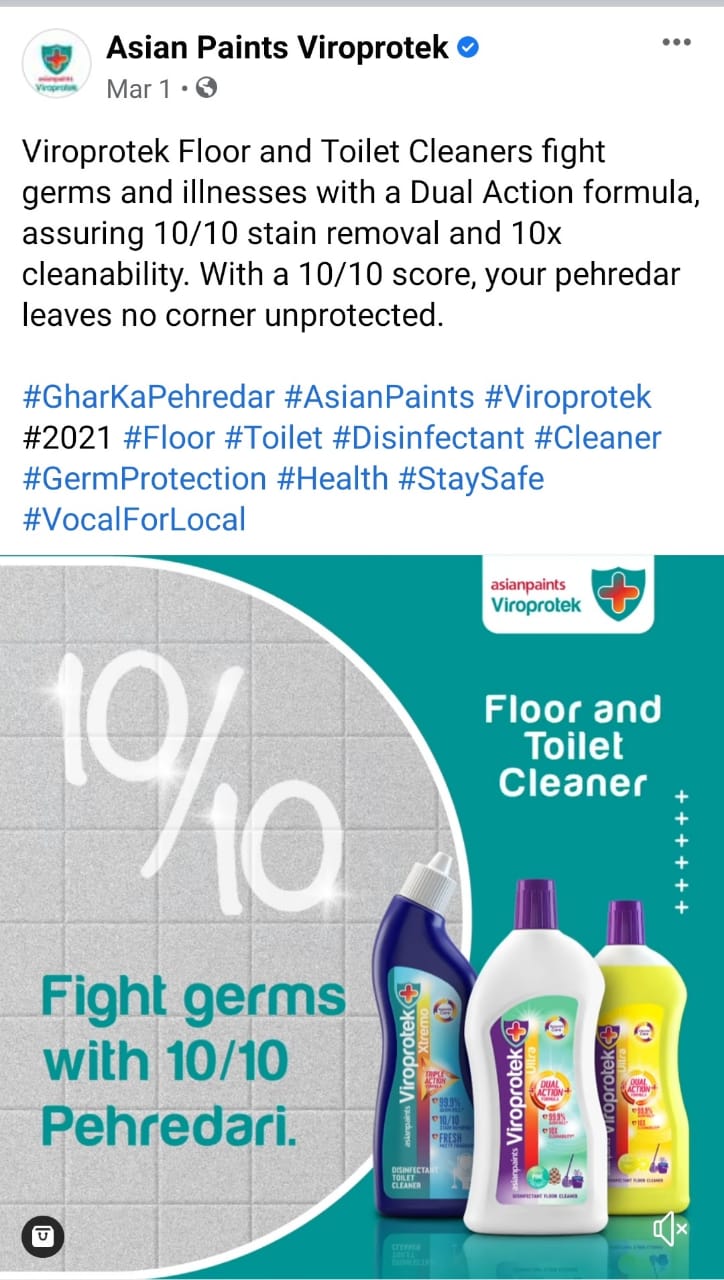
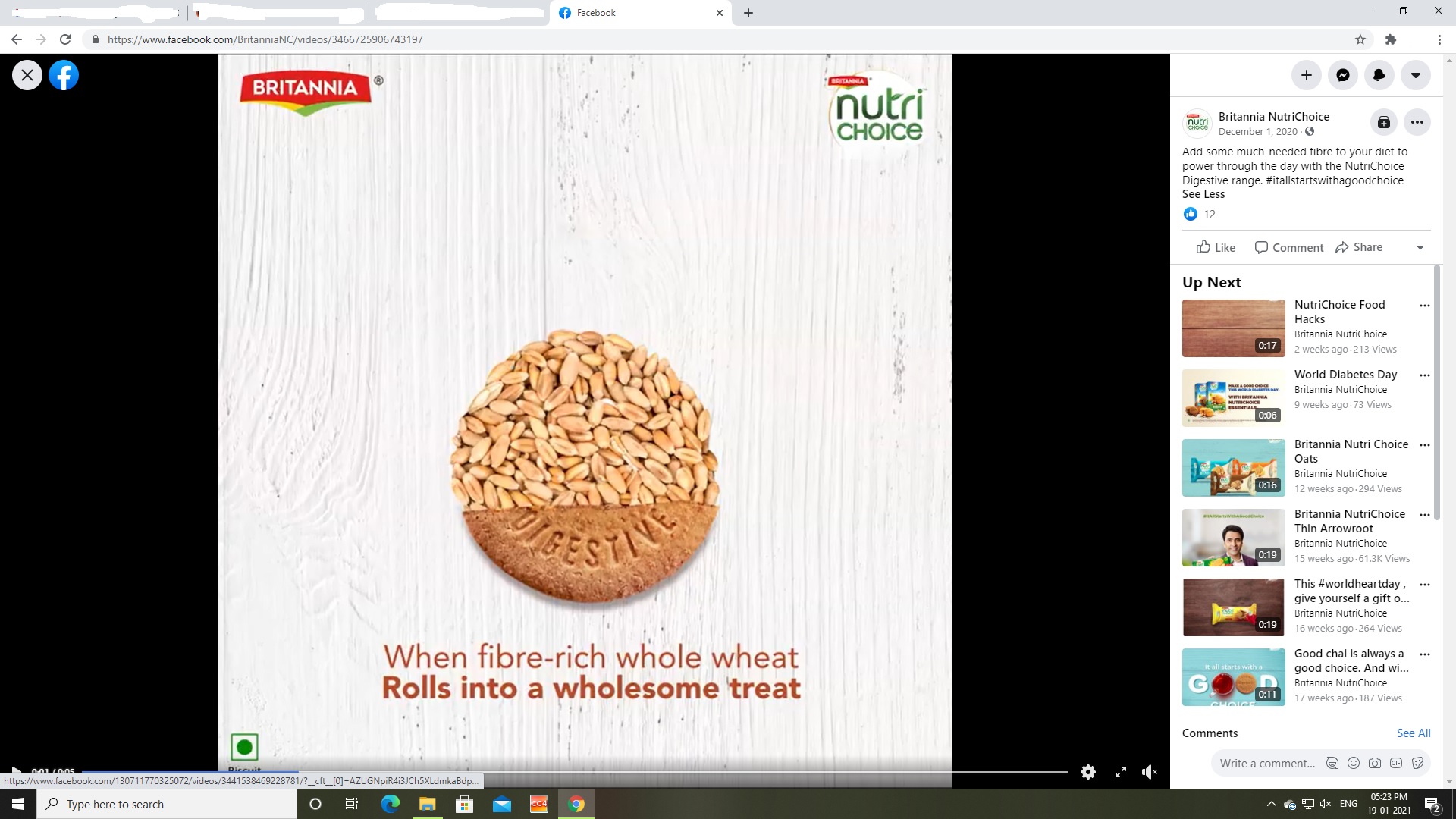


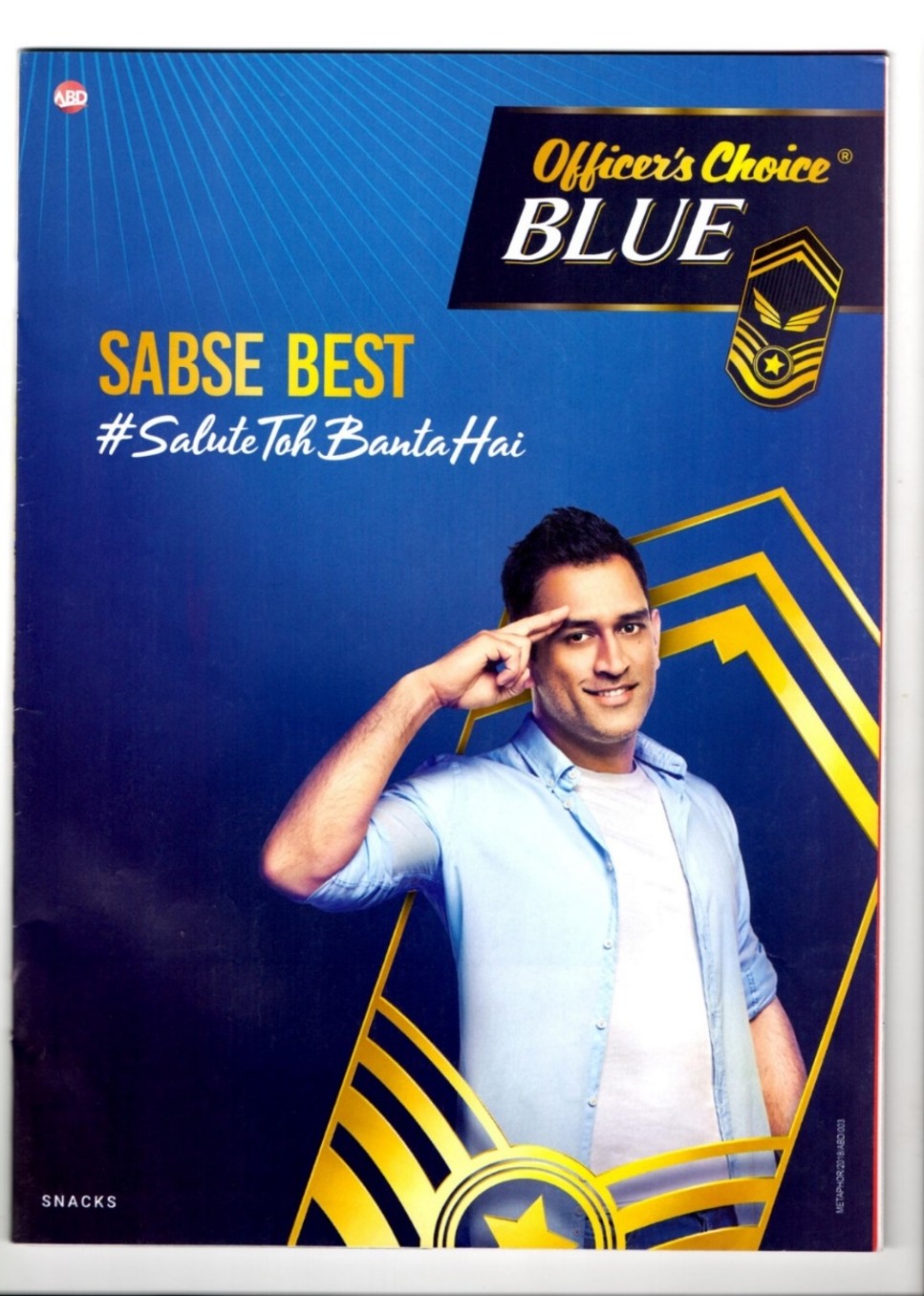


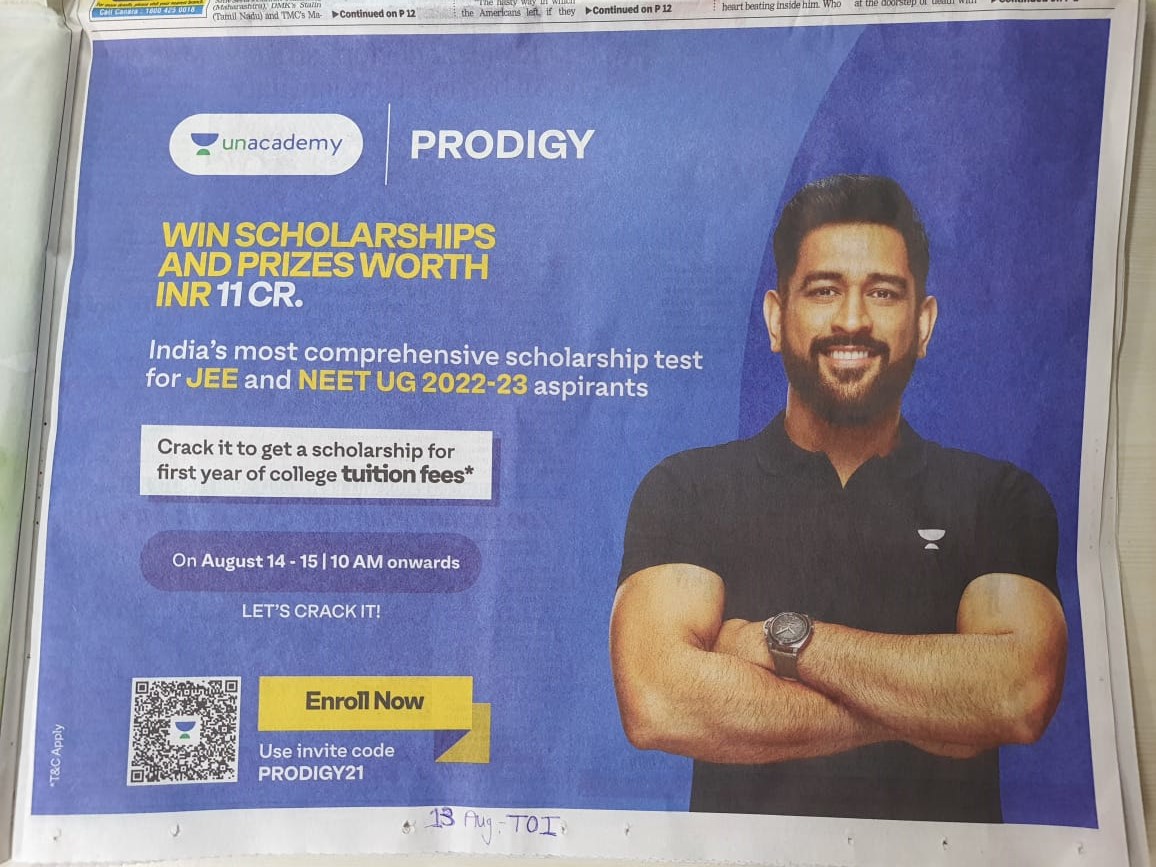

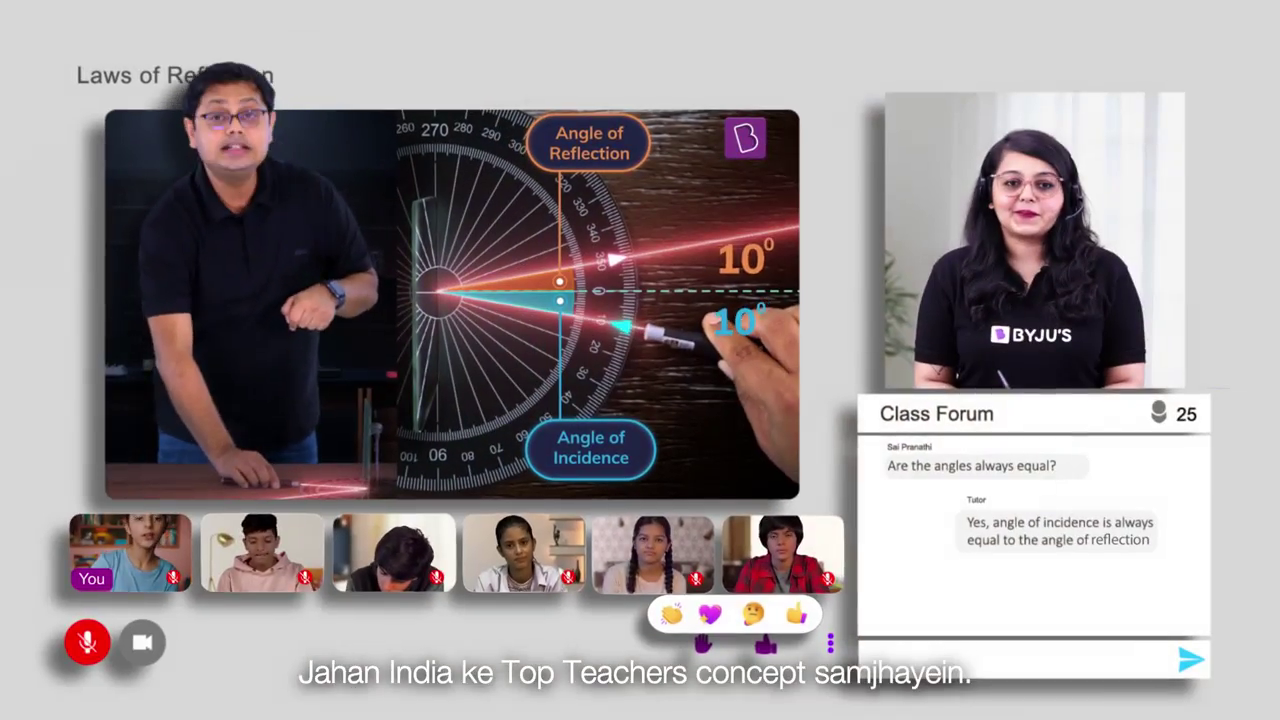
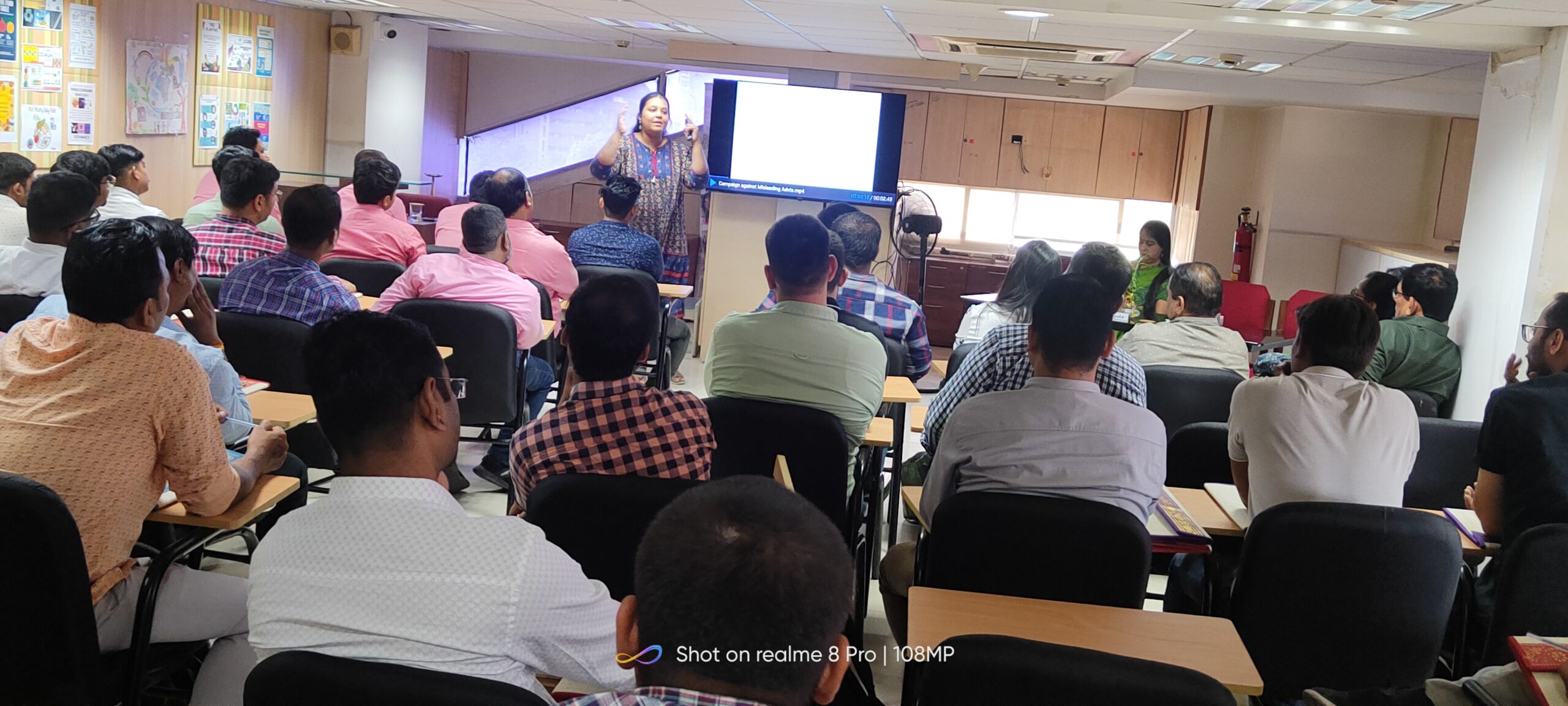
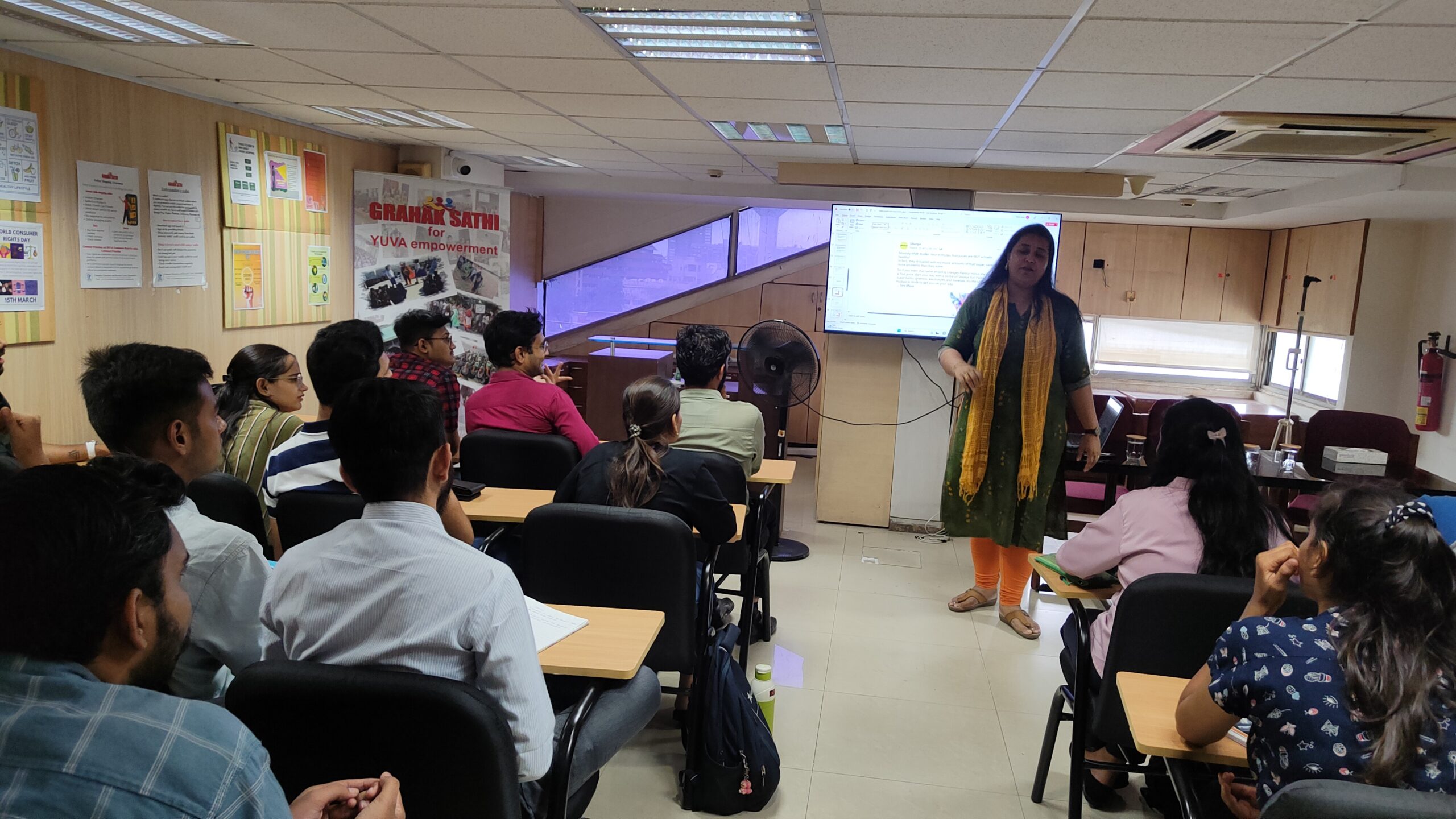
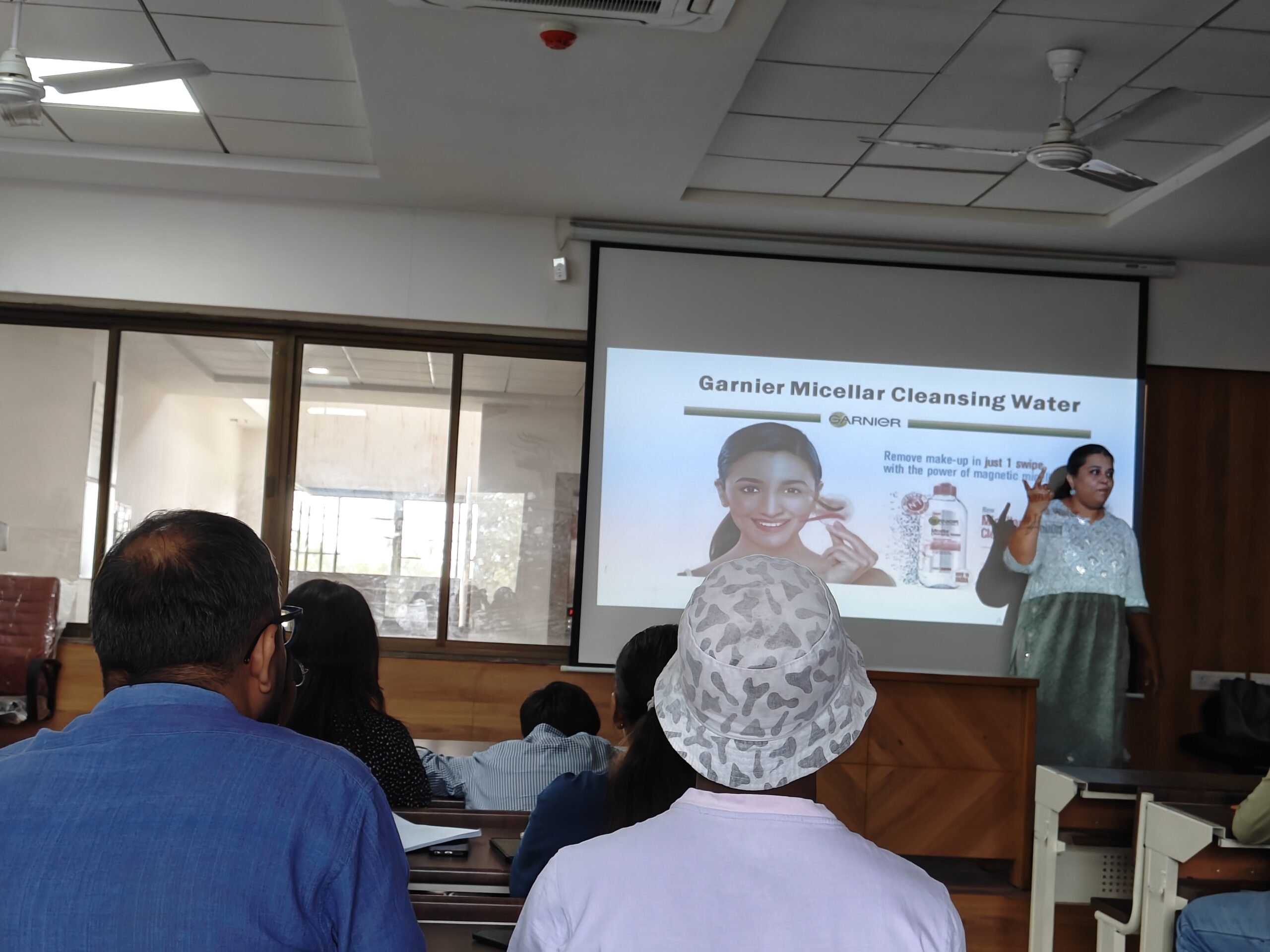
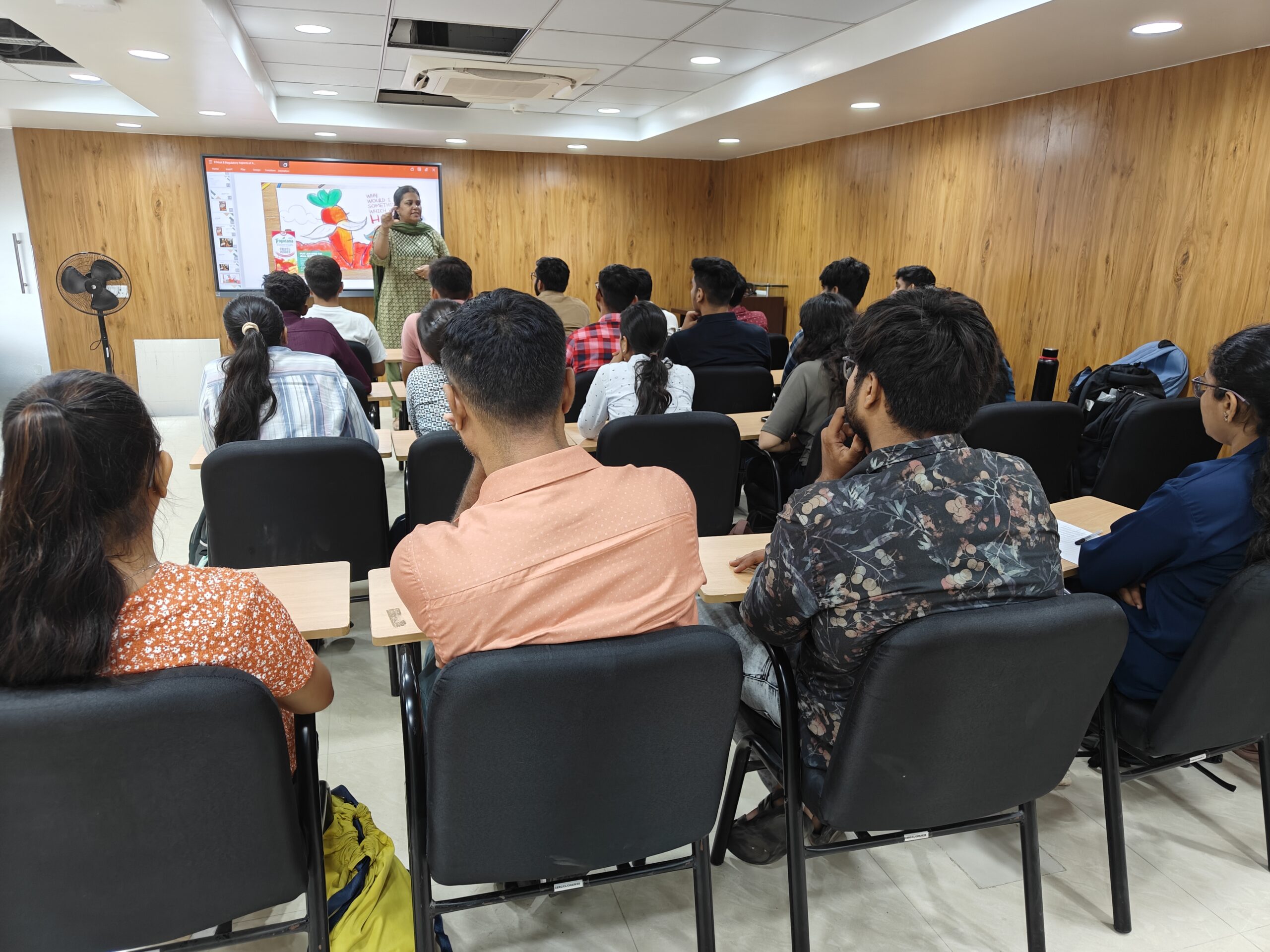
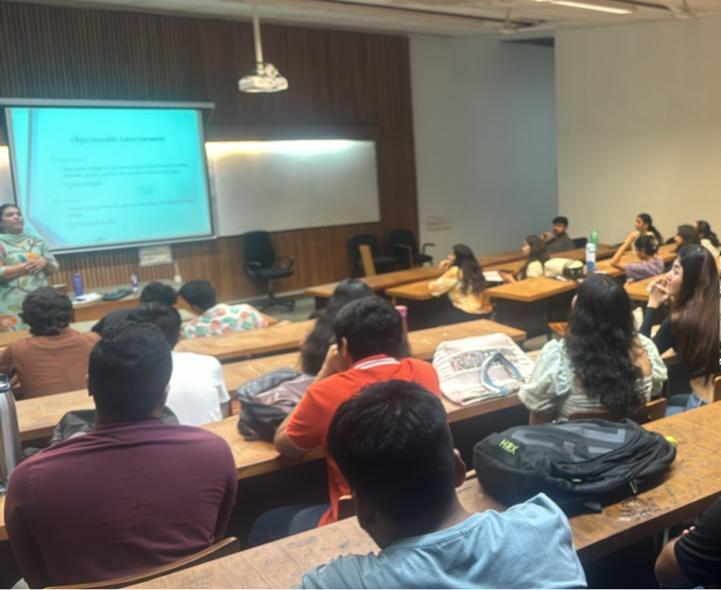
We continue to actively monitor and challenge misleading advertisements, working with manufacturers and advertisers to promote honest and responsible marketing practices. We also conduct awareness campaigns for school and college students, senior citizens, industry associations, etc
CERC’s Advocacy Initiatives
1. CERC Recommendations on Greenwashing Guidelines Adopted by CCPA
We had submitted recommendations on the Draft Guidelines by Central Consumer Protection Authority (CCPA), aimed at Preventing and Regulating Greenwashing. Our suggestions focused on ensuring greater transparency and accountability in environmental claims made by advertisers including disclosure of testing conditions for specific environmental claims and inclusion of the disclosure of all conditions necessary for such claims to be considered valid. Most of these suggestions have been included in the Final Guidelines released by CCPA.
2. Recommendations on draft Guidelines for Prevention of Misleading Advertisement in Coaching Sector
CCPA put the draft Guidelines for Prevention of Misleading Advertisements in the Coaching Sector in public domain for stakeholders’ comments. We sent a detailed note on our suggestions to strengthen the guidelines. Some of our suggestions include provisions on emphasizing that past performance did not guarantee future results and prohibiting the mention of individual teachers in advertisements.
3. Unfair Pricing by Restaurants on Food Delivery Platforms
We checked 8 popular food outlets in Ahmedabad and compared their dine-in prices with those listed on food delivery platforms. We observed a concerning trend where restaurants list higher prices for the same food items on apps like Zomato and Swiggy compared to their in-store rates. These inflated prices exclude delivery, packaging, taxes, and platform fees, yet the consumer remains unaware that the base price itself has been hiked. We wrote to Department of Consumer Affairs and Food Safety and Standards Authority of India urging them to issue Guidelines on Transparent Pricing Practices for Online Food Sales at the earliest and take enforcement action against restaurants consistently adopting such pricing practices. We are yet to receive response from both the authorities.
4. Misleading Labelling on Vadilal Volcano Chocolate Cone
We found that the wrapper of Vadilal Volcano Chocolate Cone prominently carried the phrase “Goodness of Milk Solids” while the product is classified as a frozen dessert. This amounts to a misleading representation that may deceive consumers into believing they are buying ice cream. We wrote to Mr. Himanshu Kanwar, CEO of Vadilal Enterprises Ltd. seeking immediate clarification and urging them to ensure that future packaging and promotions carry clear and undisguised labelling.
5. Unfair “Protect Promise Fee” Charged by Flipkart
We wrote to Mr. Kalyan Krishnamurthy, CEO, Flipkart Internet Pvt. Ltd. regarding the additional “Protect Promise Fee” being charged at checkout for safe delivery, secure packaging, and open-box verification. Safe delivery is a basic duty of an e-commerce platform and cannot be treated as a paid feature. This practice misleads consumers and creates pressure to pay extra for peace of mind. We also wrote to Shri Anupam Mishra, Commissioner, Central Consumer Protection Authority (CCPA) urging immediate intervention to stop this practice and ensure that such unfair charges are withdrawn and refunded to consumers.
6. CERC survey reveals Snapdeal sells products at unbelievable discounts. Are they Counterfeit? DCGI requested to intervene
CERC did a quick online survey on personal care products and cosmetics sold on Snapdeal and compared prices of the same products sold on the e-portal Nykaa. The survey revealed highly inflated MRPs and unbelievable discounts on Snapdeal apart from other issues. These were products sold at MRP higher than the brand’s official website and had incomplete labelling. We have written to Drug Controller General of India (DCGI) requesting urgent intervention to ensure that Snapdeal withdraws the products from their website and recalls the products sold to consumers.
7. FSSAI urged to control junk food advts around children’s TV shows
Recent media reports suggest that UK’s Public Health Agency is thinking of imposing a 9 pm watershed for advertisers for any food and drink considered less healthy. These advertisements cannot be screened around children’s TV shows. We have urged FSSAI to take similar action in India.
8. Representation to GoG requesting them to strengthen surveillance to restrict sale of adulterated/contaminated loose dairy products
CERC’s test of 40 loose samples of dairy products – ghee, khoya, paneer and butter – taken from 22 dairies at 19 locations in Ahmedabad, revealed that most samples failed in quality and purity. We made a representation to Department of Consumer Affairs (Govt. of Gujarat), Ministry of Health (Govt. of Gujarat) and Food and Drug Control Administration, Gujarat to strengthen the mechanism of surveillance and ensure that loose dairy products that are adulterated or contaminated are not sold in the state. We also urged them to ensure that manufacturers adopt safe and hygienic practices during production and storage. Additional Secretary, Ministry of Health and Family Welfare, GoG sent our letter to FDCA for necessary action. Dept of Consumer Affairs GoG also forwarded our representation for necessary action to FDCA and ministry of Health. FDCA has written to Ahmedabad Municipal Corporation for taking action on our complaint.
9. Representation to FDCA to issue guidelines for sale of safe loose ice cream
CERC tested 10 samples of loose ice cream and 4 of gola from different parts of Ahmedabad. The tests revealed that 70% loose ice cream samples had extremely high levels of coliform bacteria, indicating microbiological contamination. Also, 50% of gola samples had food colours above the limit. We wrote to FDCA (Food and Drug Control Administration), GoG, requesting them to urgently look into this and take steps to ensure that loose ice cream and golas sold are safe for consumption, especially in view of the upcoming summer season when sales grow exponentially.
10. Comments/suggestions on Draft Telecom Regulations sent to TRAI before finalization of policy
We sent comments and suggestions on ‘The Draft Telecom Commercial Communications Customer Preference Regulations, 2018’ placed by TRAI as an open consultation on its website. Based on CERC’s experience and consumer complaints regarding unsolicited communications (calls and messages), we urged TRAI to make the Regulations stronger and more meaningful for consumers. Subsequently, TRAI has notified the Telecom Commercial Communication Customer Preference Regulations 2018 to curb the problem of Unsolicited Commercial Communications with stringent provisions to protect consumers against unwanted calls.
11. Representation made to DCGI on restriction on manufacture/sale of Oxytocin
Based on a representation made by Dr. Mira Shiva, CERC sent a representation to Dr. Eswara Reddy, Drug Controller General of India (DCGI), outlining consumer concerns regarding restriction on manufacture and retail sale of Oxytocin and its adverse effect on women’s health, specifically at the time of delivery.
12. Police commissioner appreciates our appeal to make roadside document verification more consumer-friendly
Representations were sent to the Police Commissioner, Commissioner of Transport Department, Secretary (Consumer Affairs) and others giving suggestions to make the process of roadside verification of vehicle documents consumer friendly. We requested that system verification of documents should be done by the authorities instead of stopping citizens on the road. Our press note was covered by the ToI. The Police Commissioner appreciated our suggestions and said that they will be soon be putting in place a connected system.