
CERC Laboratories
CERC is the only consumer rights organization in the country to have its own Product Testing Laboratories, which are primarily used for conducting product tests to provide evidence-based information to consumers and inputs to regulatory authorities and government bodies.
It is a matter of pride for us that the Test Results of our laboratories have resulted in the making/amending of Indian Standards as many as 20 in our country. Over hundreds of food products have been tested at CERC laboratories with special emphasis on HFSS food.
CERC works very closely with the regulatory and administrative authorities and is involved in various Committees of the FDCA, FSSAI, BIS, Consumer Affairs Ministry, etc and takes up various issues at these fora and supports both the introduction of standards and helps in the implementation of the same.
CERC is a member of Electricity Supply Code Review Panel (ESCRP), which is the advisory body set up by the Gujarat Electricity Regulatory Commission (GERC) as per the Electricity Act 2003. CERC represents the Consumer matters related to service, metering, billing, etc.
Food Testing Laboratories
Food Testing
CERC’s Food Testing Laboratory conducts various tests on food samples, both packaged, processed and loose, to ensure safety, quality, and authenticity. The laboratory analyzes physical, chemical, and microbiological characteristics to check for contaminants like bacteria, pesticides, and heavy metals, verify nutritional information, and check for adulteration, labelling requirements, Claims Vs Facts etc. This work is vital for protecting consumer health, enabling manufacturers to meet regulatory requirements, and ensuring fair trade and most importantly enable consumers to make informed choices. The analysis is carried out as per the test protocols recommended by the Food Safety and Standards Authority of India (FSSAI), NIN and other national and international standards.
Key functions
- Safety and contamination testing:
- Detecting harmful microorganisms such as E. coli, Salmonella, and yeast & mold through microbiological testing.
- Identifying chemical contaminants like heavy metals and pesticide residues.
- Quality and authenticity assurance:
- Analyzing chemical components to verify the nutritional content, additives, and preservatives.
- Conducting authenticity checks to ensure products contain what their labels state.
- Regulatory compliance:
- Verifying that food products comply with national and international safety regulations.
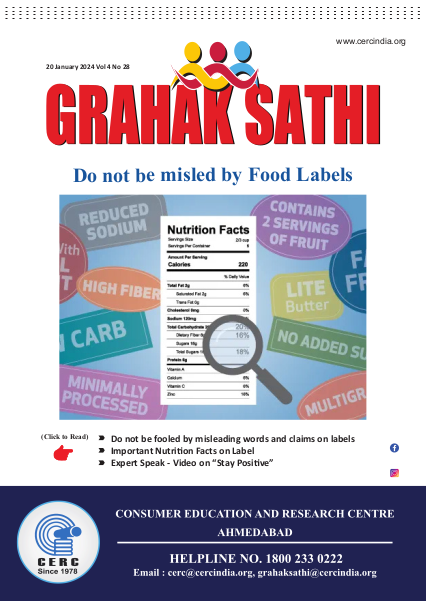
- Verifying that products adhere to the labelling requirements.
Campaign on HFSS foods
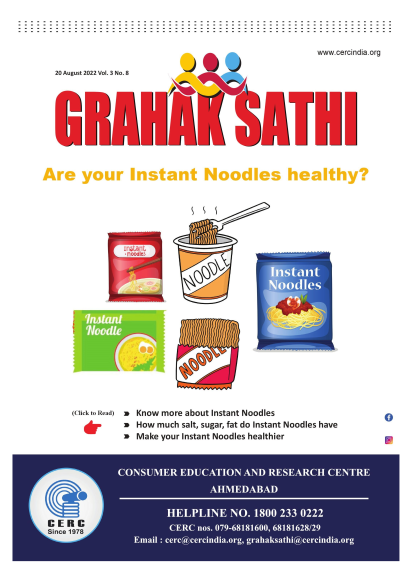
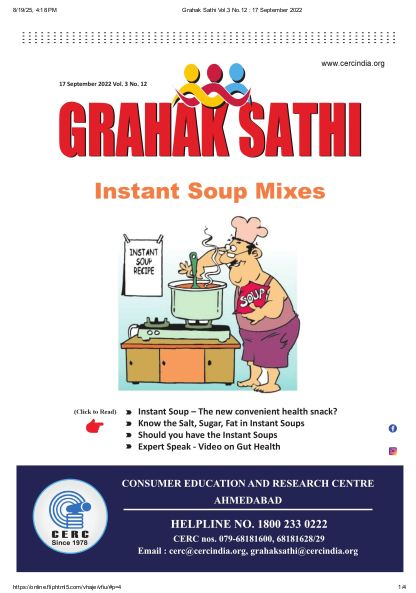
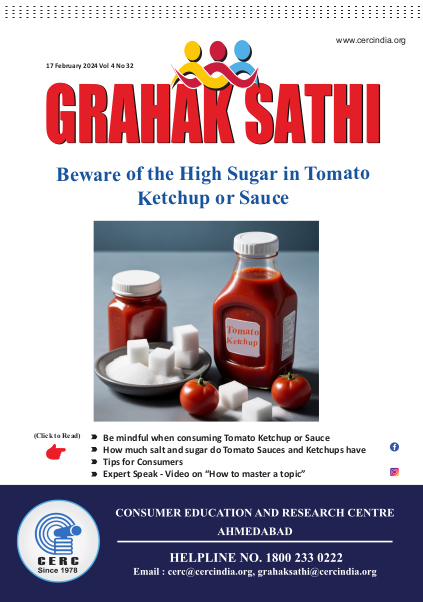
Saturated/ trans-fat, salt, and sugar (HFSS) are the 3 ingredients that are the root cause of most non-communicable diseases, often also called lifestyle diseases. CERC has been campaigning against this by testing and studying these contents in various foods and cautioning Consumers.
CERC has been analyzing labelling information and finds that there is a high level of non-compliance in labelling info that even educated consumers are not aware of.
We carry out programs to promote public awareness on safe and healthy eating habits, on risk factors of NCDs like HFSS and calorie-dense foods, and limiting consumption of foods high in Fat, Salt and Sugar and removing trans-fat from the daily diet.
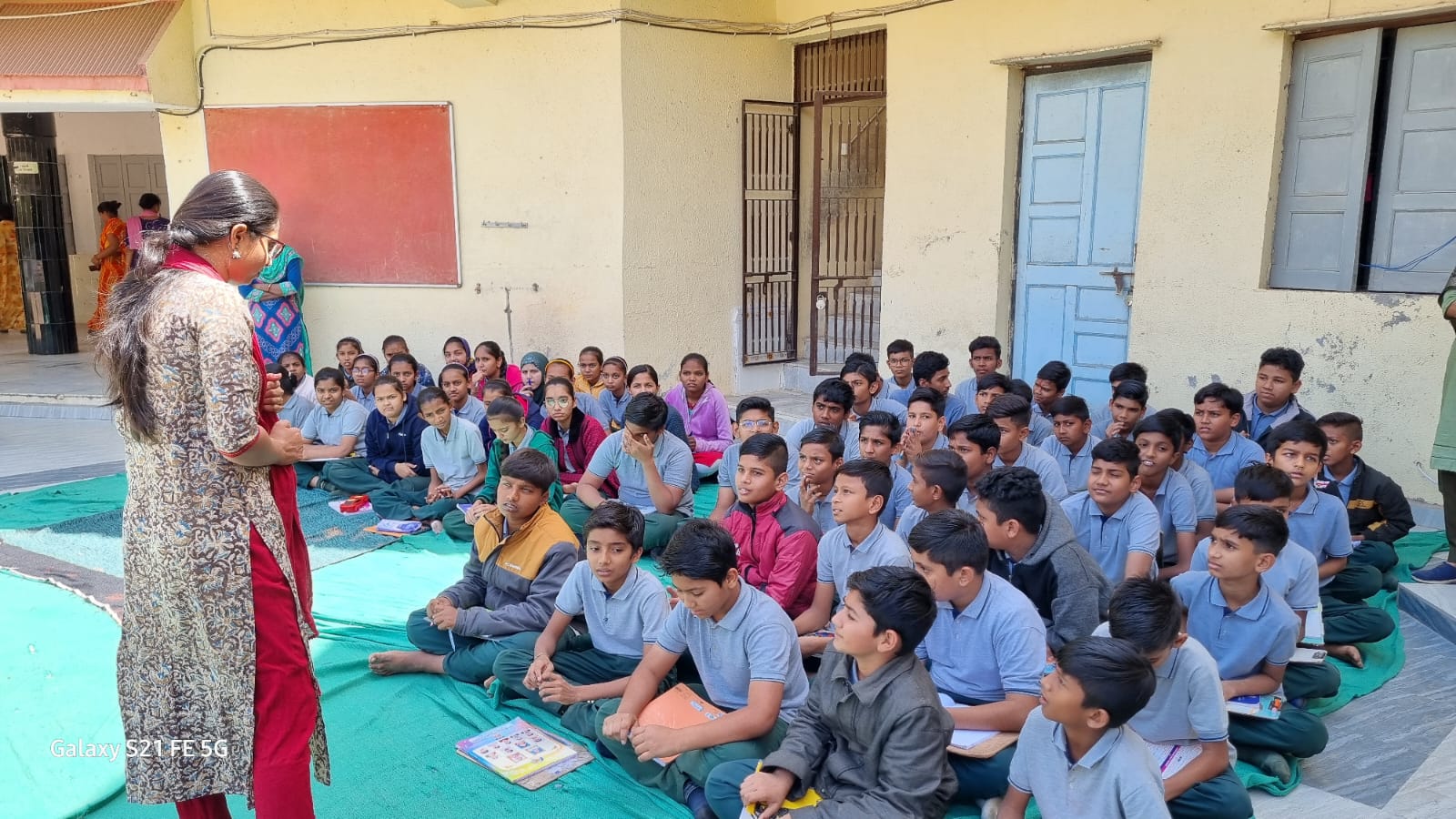
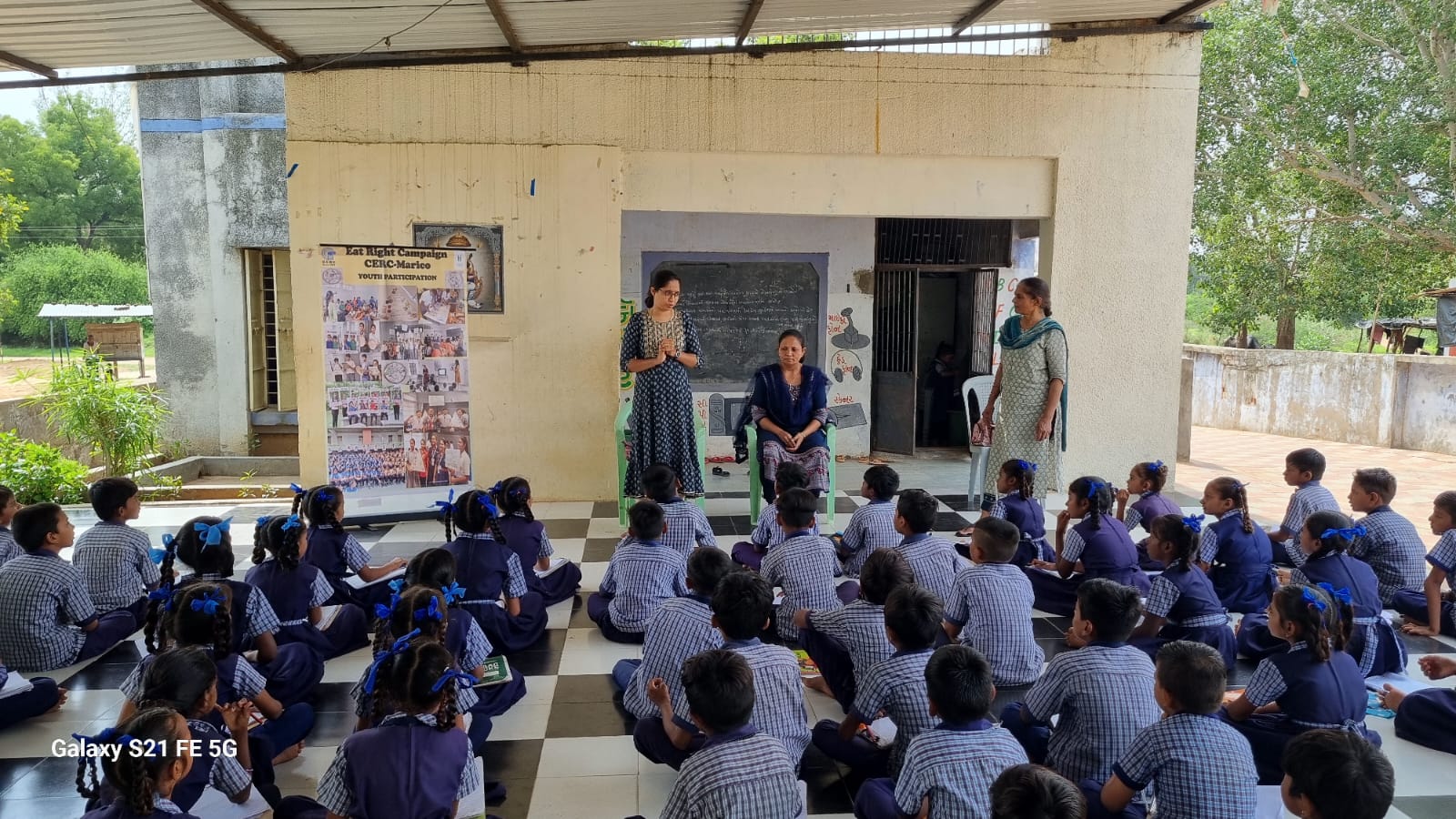
We also focus on creating awareness about healthy and nutritious food, implementing Eat Right Programs & observational Tiffin Surveys in schools & colleges.
CERC regularly conducts various campaigns on TV and Print media.
CERC - Eat Right Initiatives
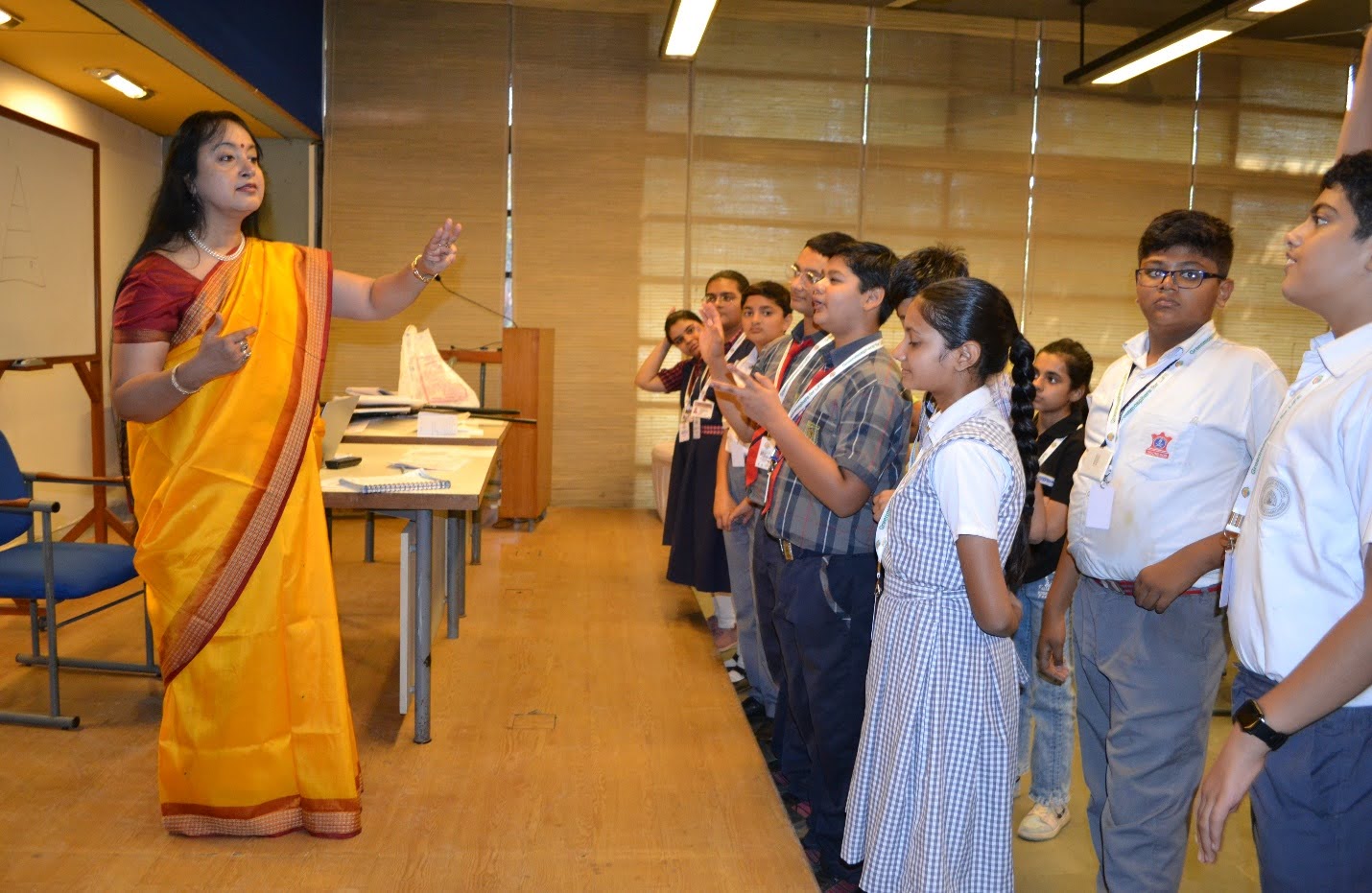
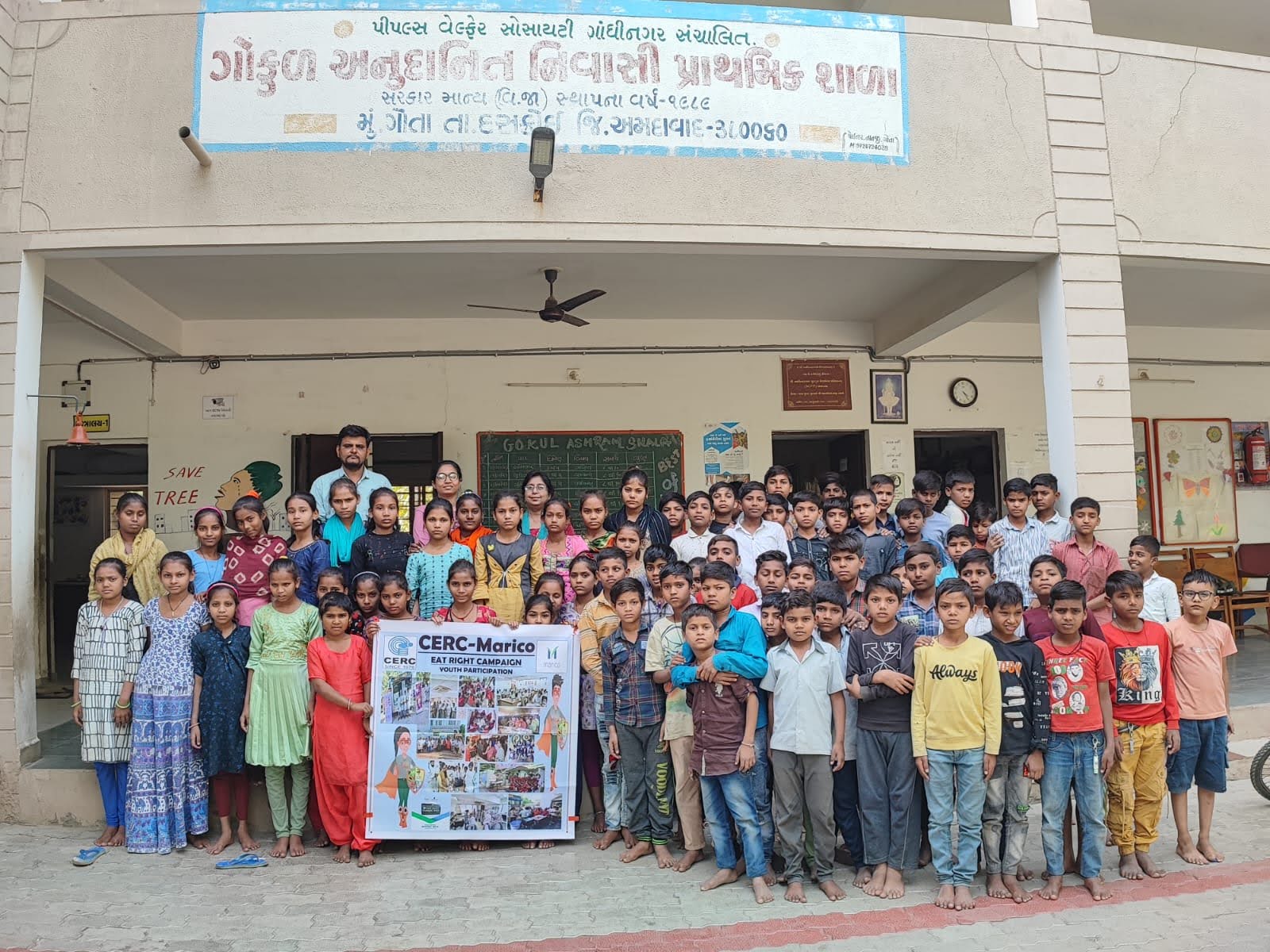
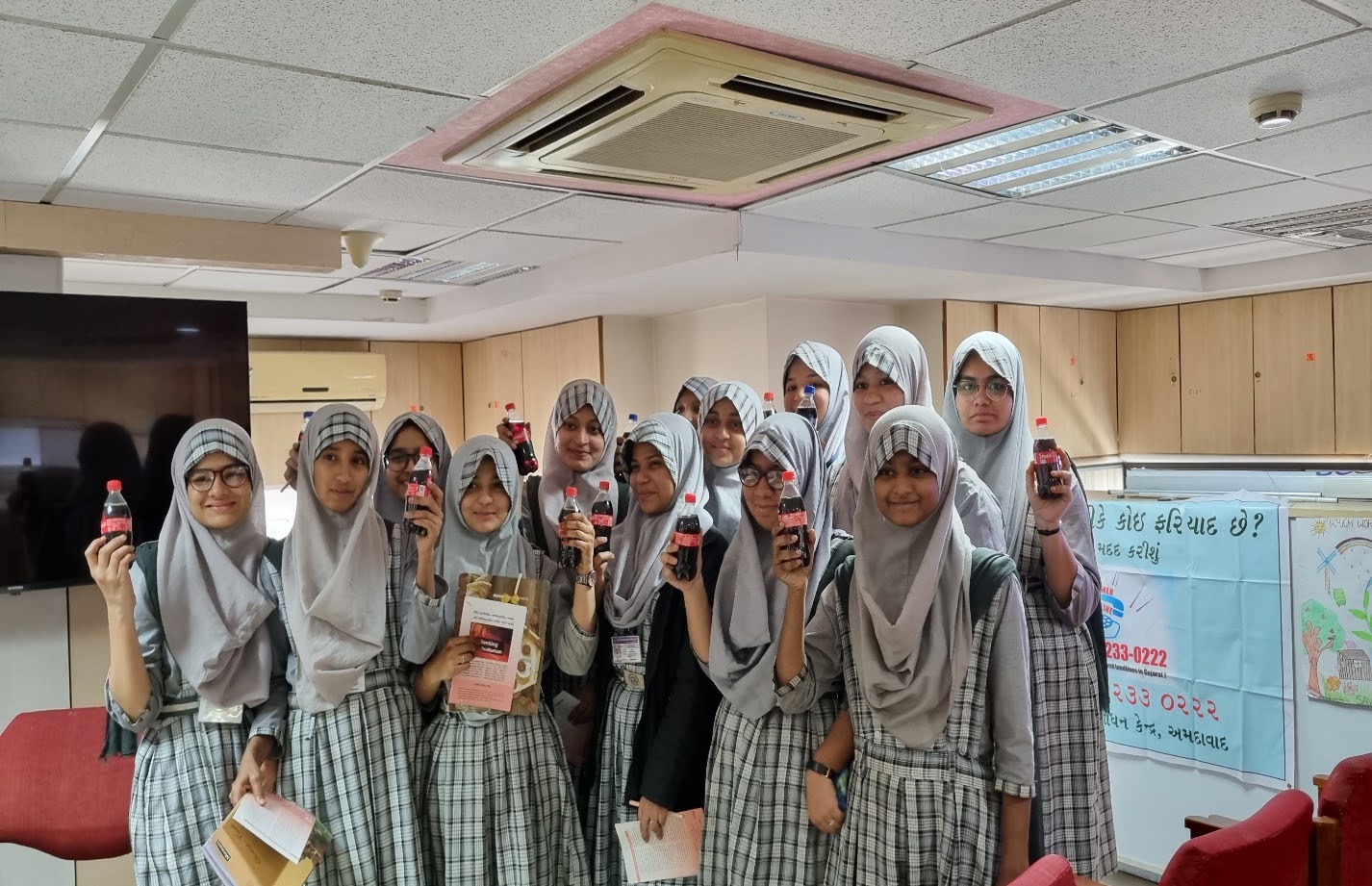
CERC- EAT RIGHT SCHOOL CAMPAIGN Children are the future consumers. They also influence family buying decisions, which is why it is important to educate and empower them. Given that childhood dietary behaviours track into adulthood and food preferences are often formed during school years, cultivating healthy food choices in school age children is essential. Poor eating habits impact not only the physical, but also the mental and cognitive development of children and hence their learning outcomes. Unsafe and unhealthy food can lower their immunity and their health later in life. Schools are well poised to promote lifelong healthy habits, as students spend an average of 6-8 hours every day in schools and are strongly influenced by peers and teachers. With this in mind, CERC’s Eat Right Initiatives are implemented with the following objectives:
The objectives:
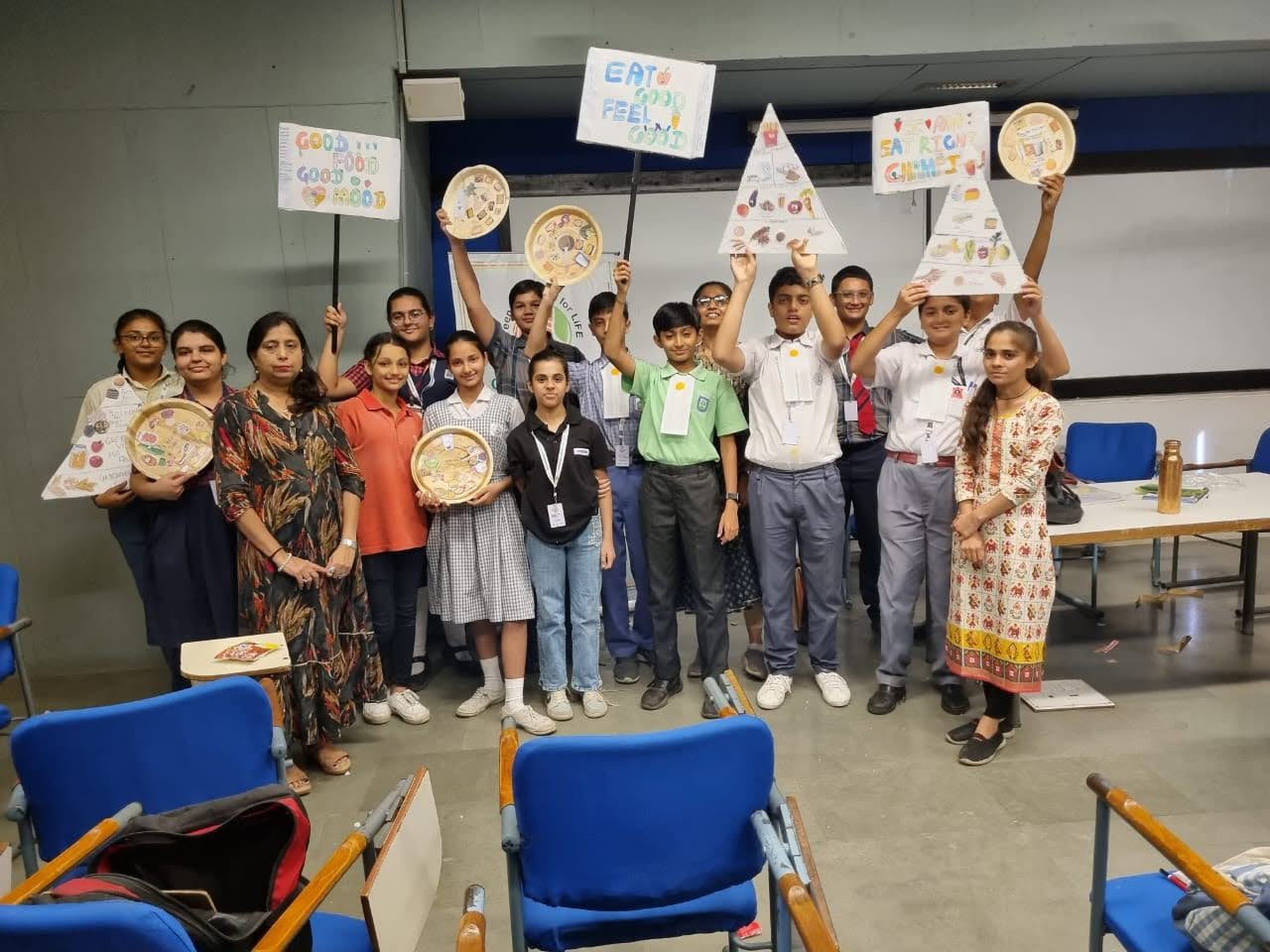
- To create awareness about food safety, nutrition & hygiene among school children, and through them among the community at large. Children are powerful change agents. Messages delivered to, and through children, have the potential to usher in behavioural change and a culture of safe and wholesome food.
- Create awareness and understanding to help differentiate between healthy and unhealthy foods, safe and unadulterated foods, etc.
- Motivate the students to choose healthier food options, sensitise them about the same, and through participative activities, convert them into Eat Right Ambassadors of the future. Observational Tiffin Surveys to assess, the nutritional quality of children’s packed lunches by analysing the contents to see if they meet nutritional guidelines of healthy food.
- Food safety on wheels Van demonstrations are arranged to sensitize students how to prevent adulteration at school canteen and at their own homes, as also to combat adulteration in food products. With over 100 easy tests to check food adulteration, this will make science relevant for students through hands-on experiments that can be conducted using materials readily available.
Impact on Students/ Families/ Communities
- They will learn in a fun way about food safety, nutrition & hygiene which will help them in cultivating healthy food choices at a young age and this dietary behaviour will be beneficial to them in adulthood.
- The students will be encouraged to use innovative and creative ways to propagate the message and this will help in developing their skill sets.
- Practical tips on how to detect adulteration will be shared with them which will enable them to conducting simple tests for common adulterants in milk, water, edible oil and other items of food of daily consumption.
- Young students will be the change agents who will also spread the message about Food safety, health and nutrition in their families, neighbourhoods and communities which will benefit them in terms of developing safe, healthy and sustainable eating habits.
- CERC- EAT RIGHT SCHOOL CAMPAIGN offers ro become a permanent change-agent platform, wich also has the potential of dissemination arm of the FSSAI commitment to safe and healthy eating among school children.
Training Programmes
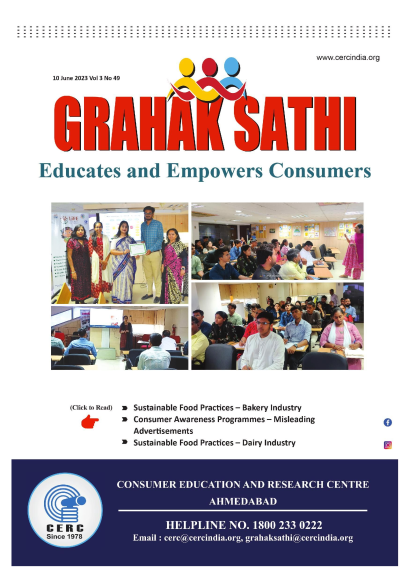
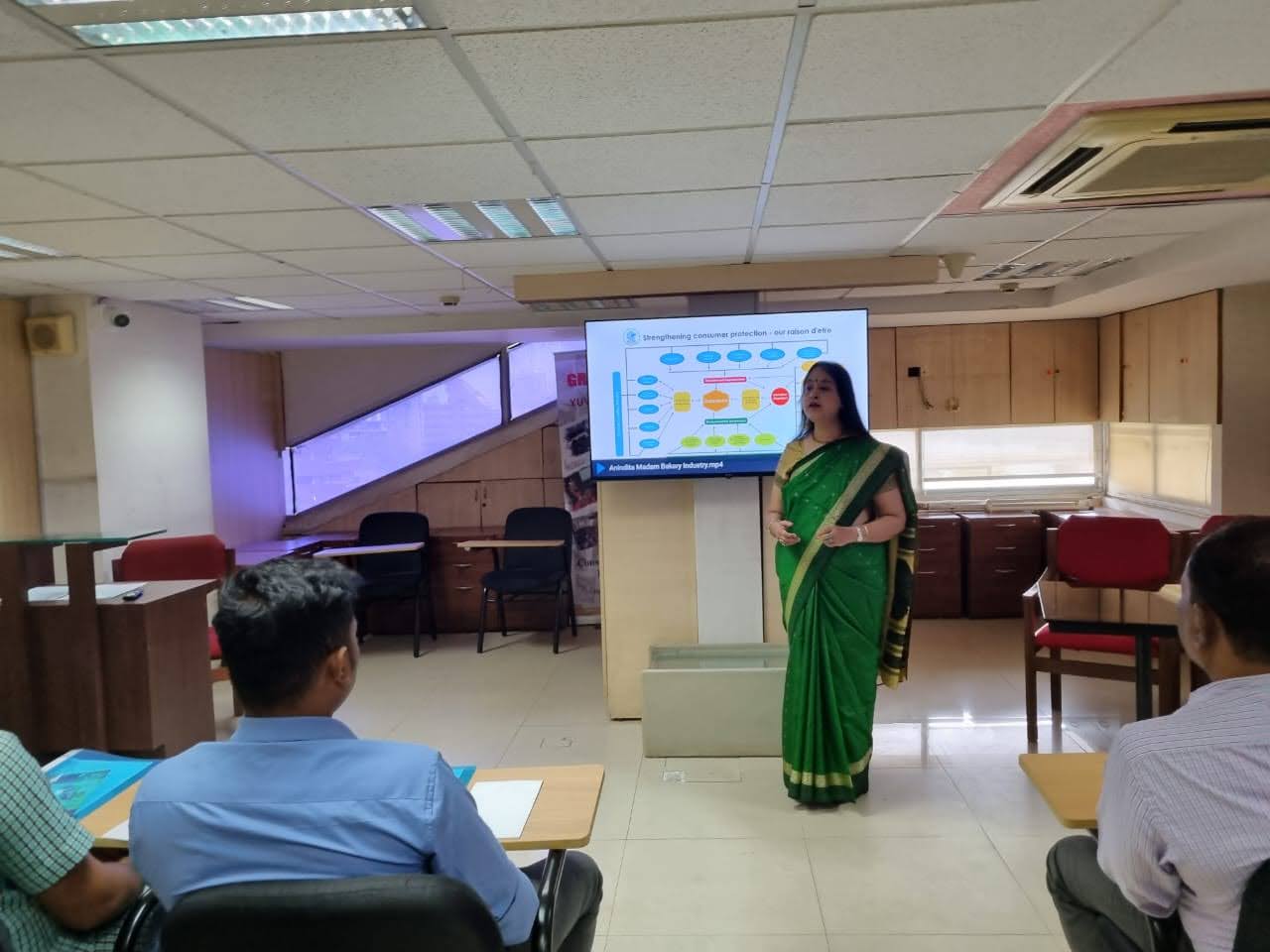
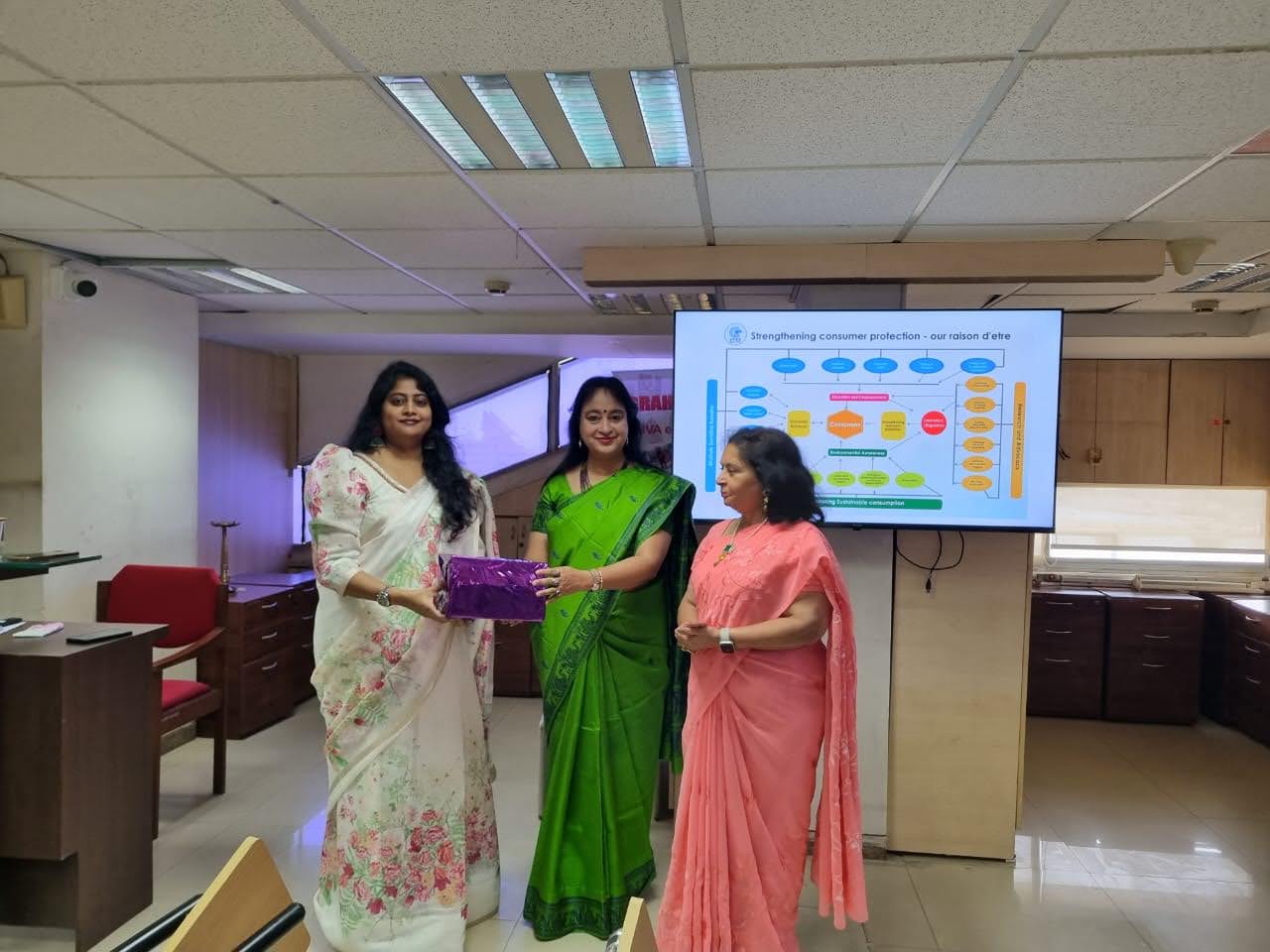
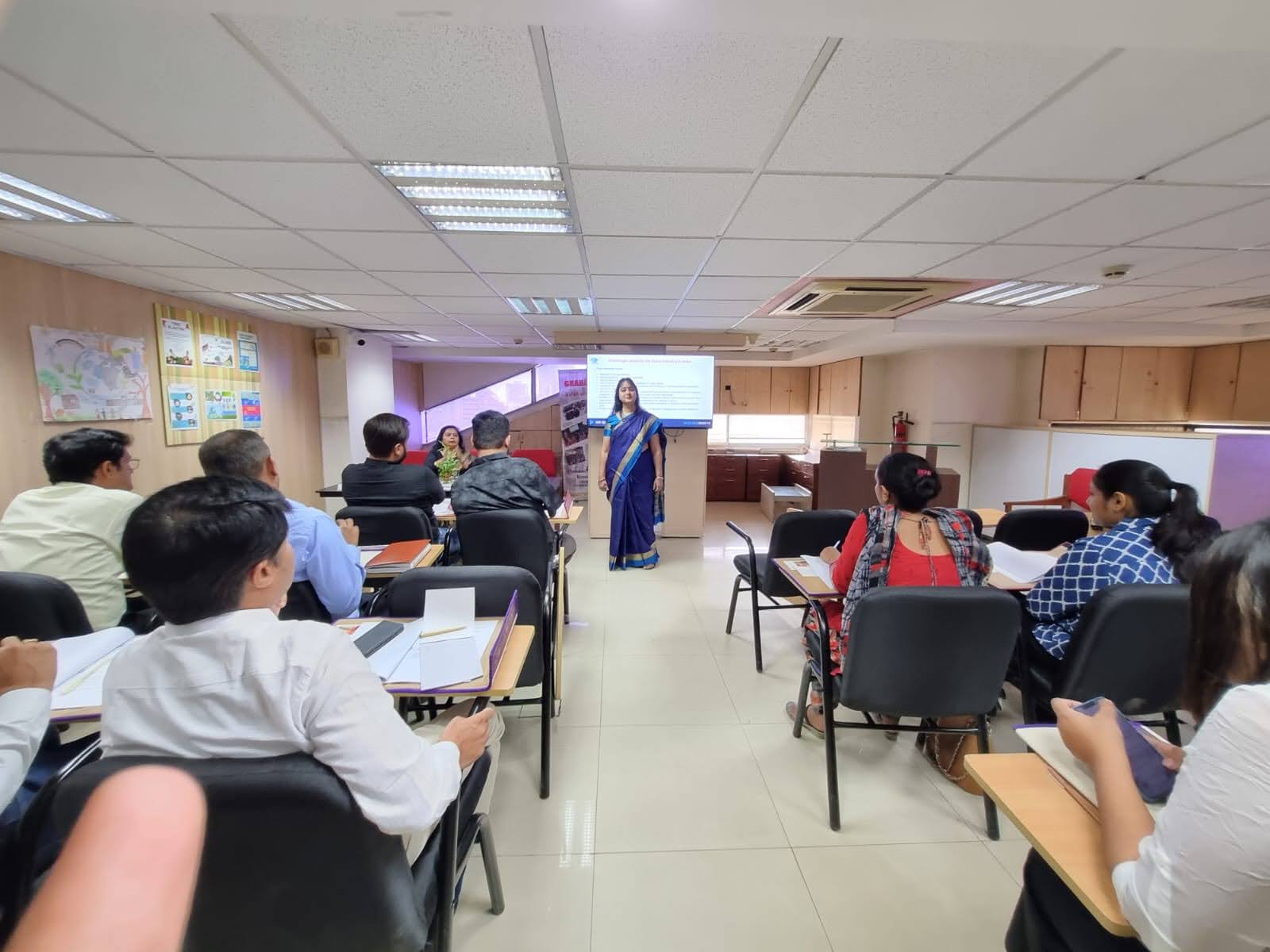
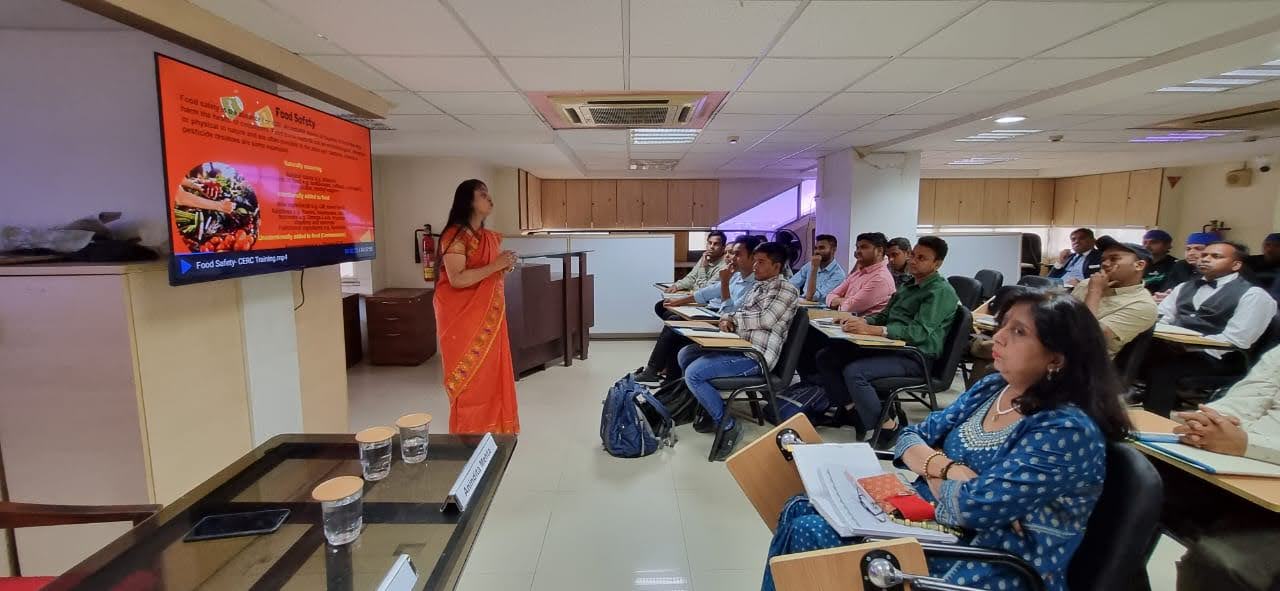
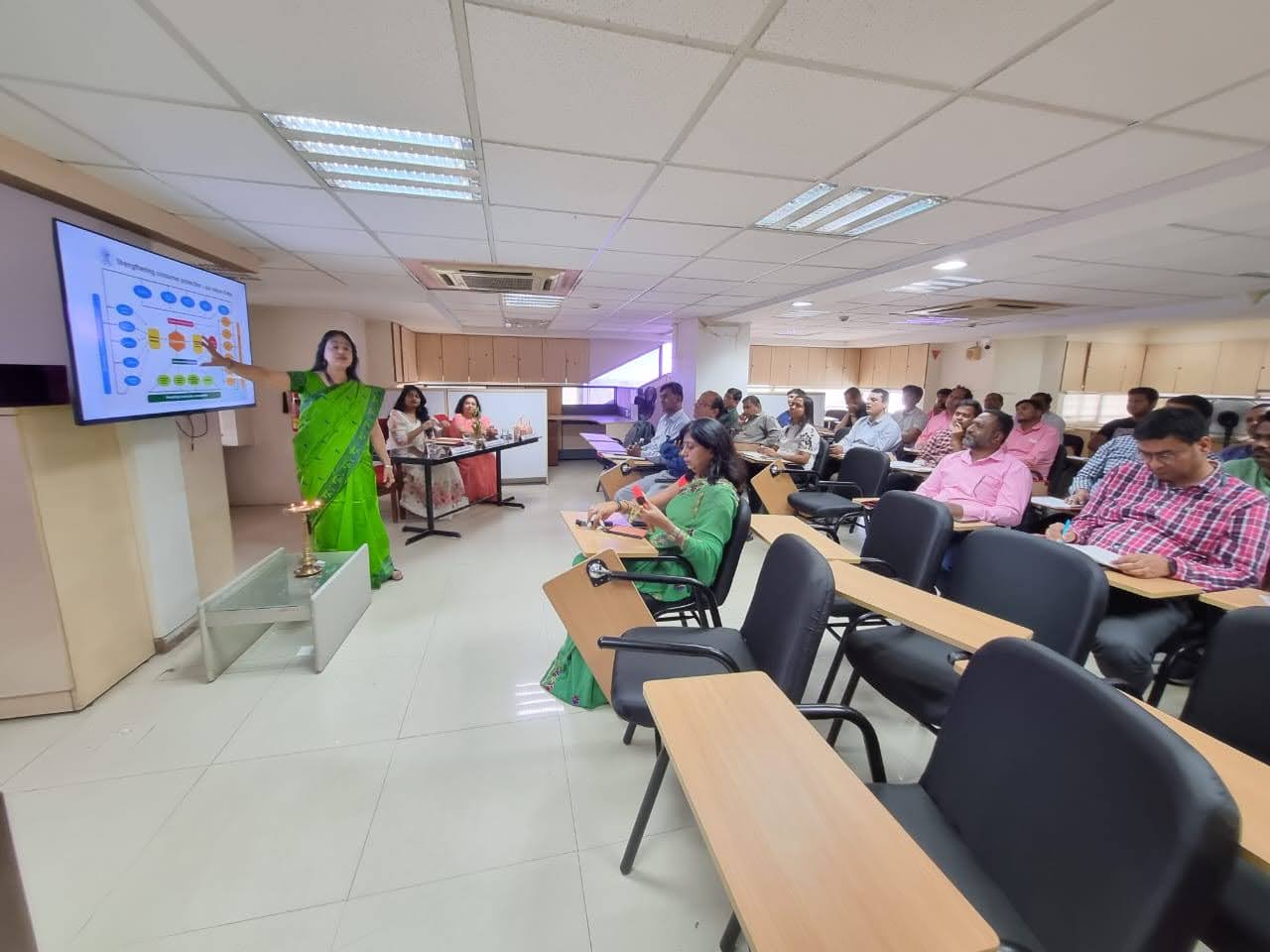
CERC conducts Training programs for Food Industry personnel& FBOs. Training food industry personnel on hygiene and regulatory compliance is crucial for preventing foodborne illnesses, ensuring customer safety, and meeting legal obligations. The trainings conducted by CERC covered topics like personal hygiene, preventing cross-contamination, proper food handling and storage, allergen management, and implementing systems like HACCP, Regulatory Requirements and compliances for FBOs, Food Safety, Food Storage and Transport, Food Safety Management System & Enforcement, Sustainability in Food Industry, Ideal Infrastructure Facilities.
Benefits of the Training Programs
- Consumer and Public Health: Reduces the risk of foodborne illnesses, protecting customers from dangerous food poisoning.
- Business Reputation and Trust: Builds consumer confidence that the food is safe and prepared in a hygienic environment, leading to positive reviews and repeat business.
- Regulatory Adherence: Helps the business comply with industry rules, avoiding fines, legal issues, and public health notifications.
- Operational Efficiency: Minimizes waste by reducing food spoilage and contamination, and increases employee confidence in their ability to perform their duties safely.
- Food Safety Culture: Fosters a company-wide culture where food safety is a priority for everyone, from management to front-line staff.


Electrical Laboratory
Product Testing and Buying Guides
The Electrical Laboratory at CERC is dedicated to empowering consumers by providing customized guidance on product selection through a product guide in our weekly magazine, Grahak Sathi. It helps consumers choose products that are safe, high-quality, energy-efficient, and perform optimally.
Please, click on learn more to view the buying guides on home appliances like BLDC ceiling fans, vacuum cleaners, sandwich toasters, star labels on home appliances, air purifiers, steam irons, fresh air fans, and many more.
Energy Meter Testing
As a part of its commitment to consumer rights and consumer empowerment, Consumer Education and Research Centre (CERC) has been actively working in collaboration with various electricity distribution companies for over two decades in Gujarat, Maharashtra and UP to ensure the accuracy of energy meters installed in residential areas and to educate consumers on energy conservation and energy efficiency.
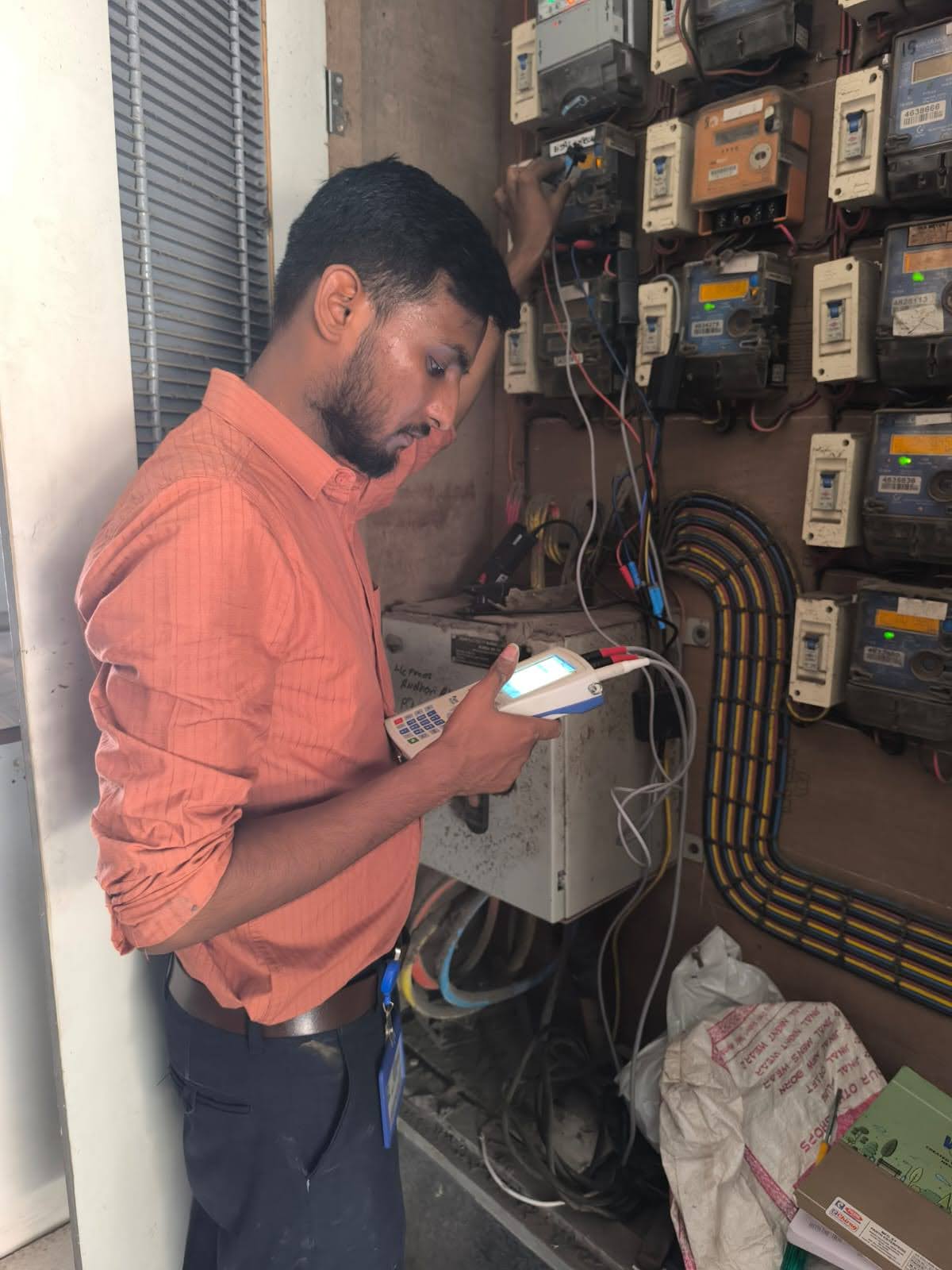
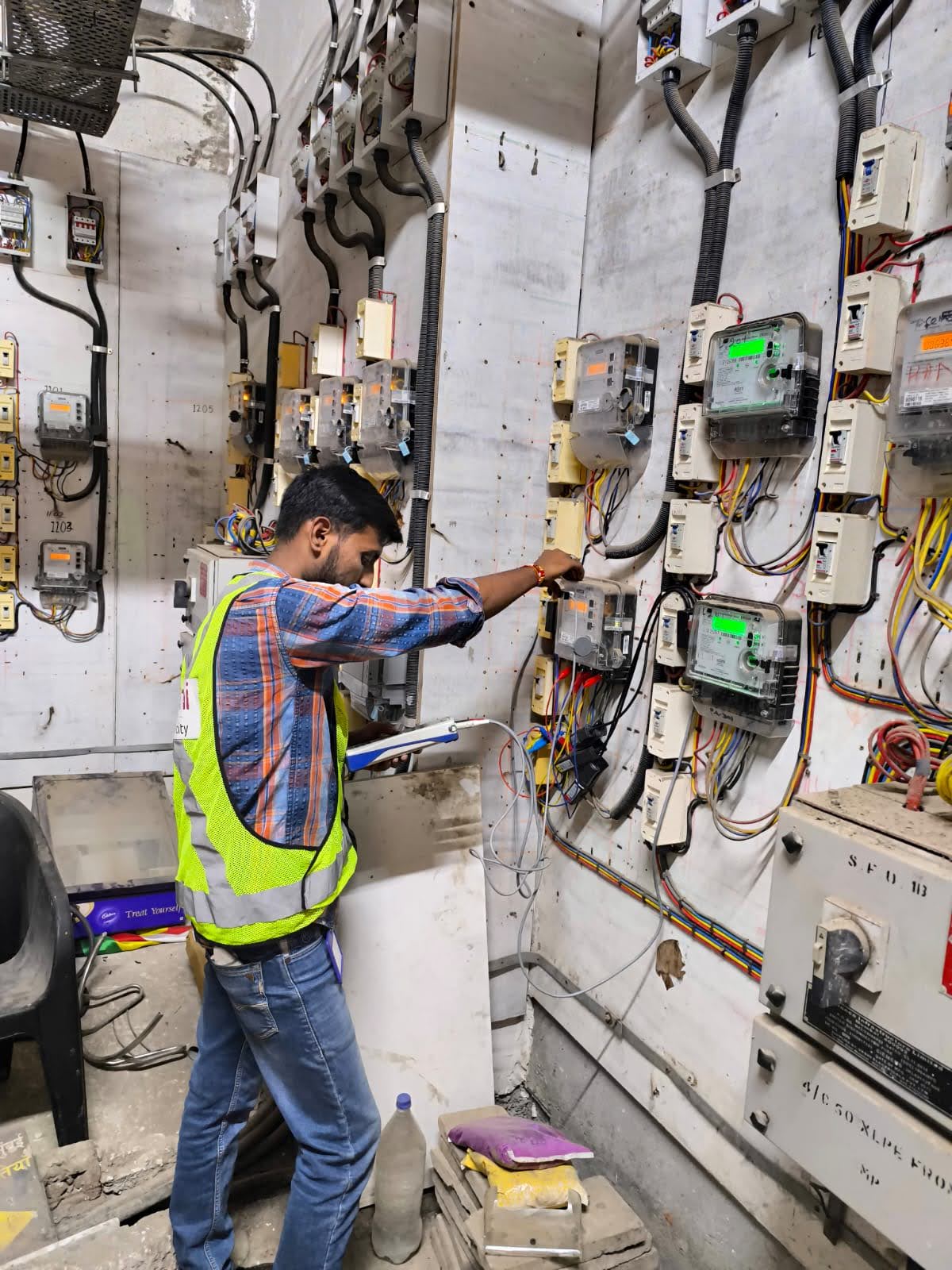
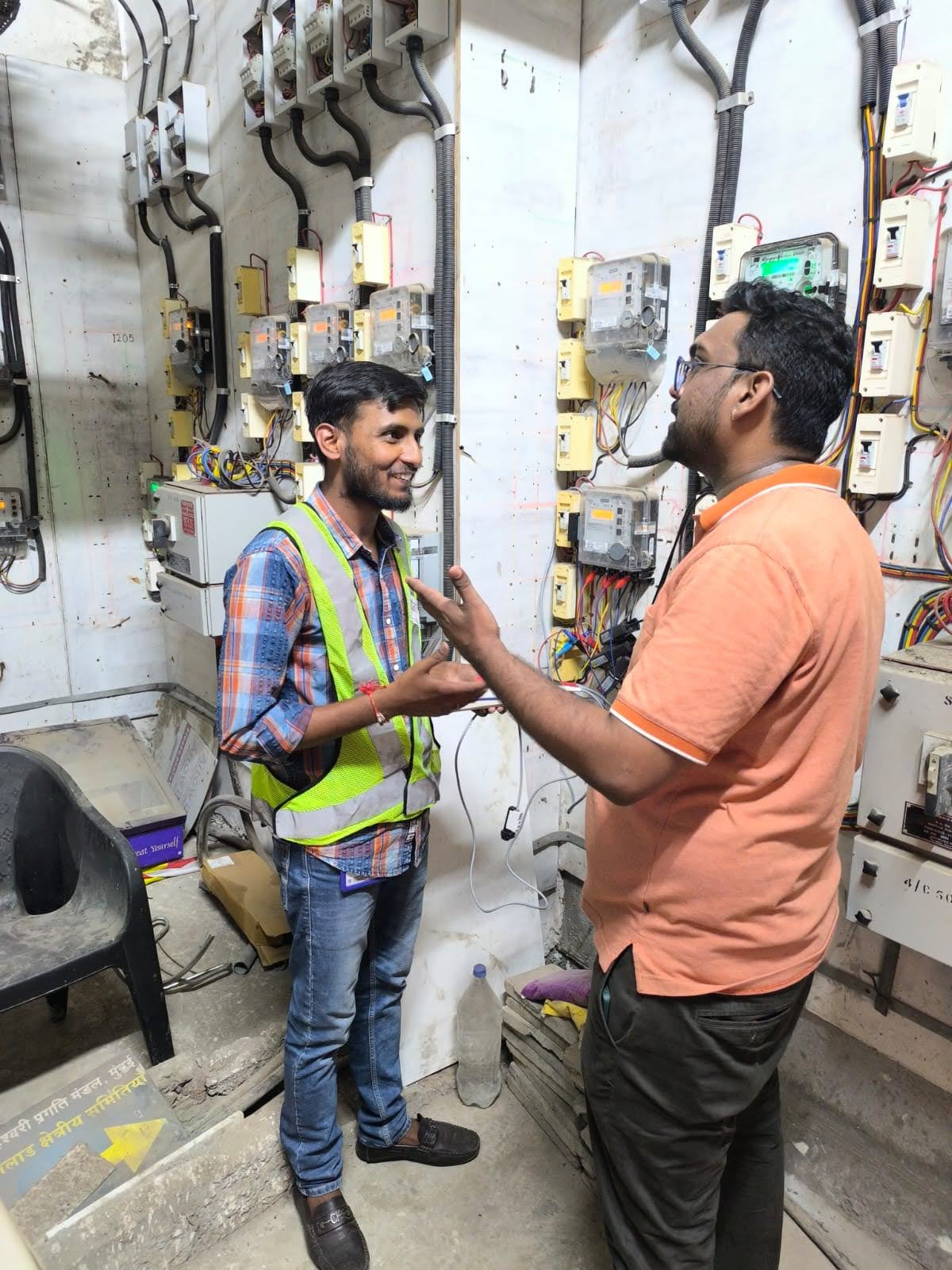
CERC’s trained engineers visit consumer homes with representatives from power distribution companies to conduct on-site accuracy testing of electricity meters using calibrated equipment and standardized procedures.
These tests are performed transparently and in the presence of consumers, who are also educated about the process and its significance.
Beyond just technical verification, CERC takes a consumer-centric approach by engaging with residents and helping them to understand how their appliances contribute to overall energy consumption. This customized guidance on optimizing usage and identifying high consumption devices helps consumers understand their energy usage better and adopt energy conservation practices.
Consumers get confidence that they are being charged only for the energy they genuinely consume. Till today, more than 1 Lakh consumers have gained peace of mind for their energy bills through this initiative.
CERC’s efforts exemplify how technical diligence combined with consumer education can lead to greater accountability, awareness and empowerment at the grassroots level.
Electrical Safety Training Programs
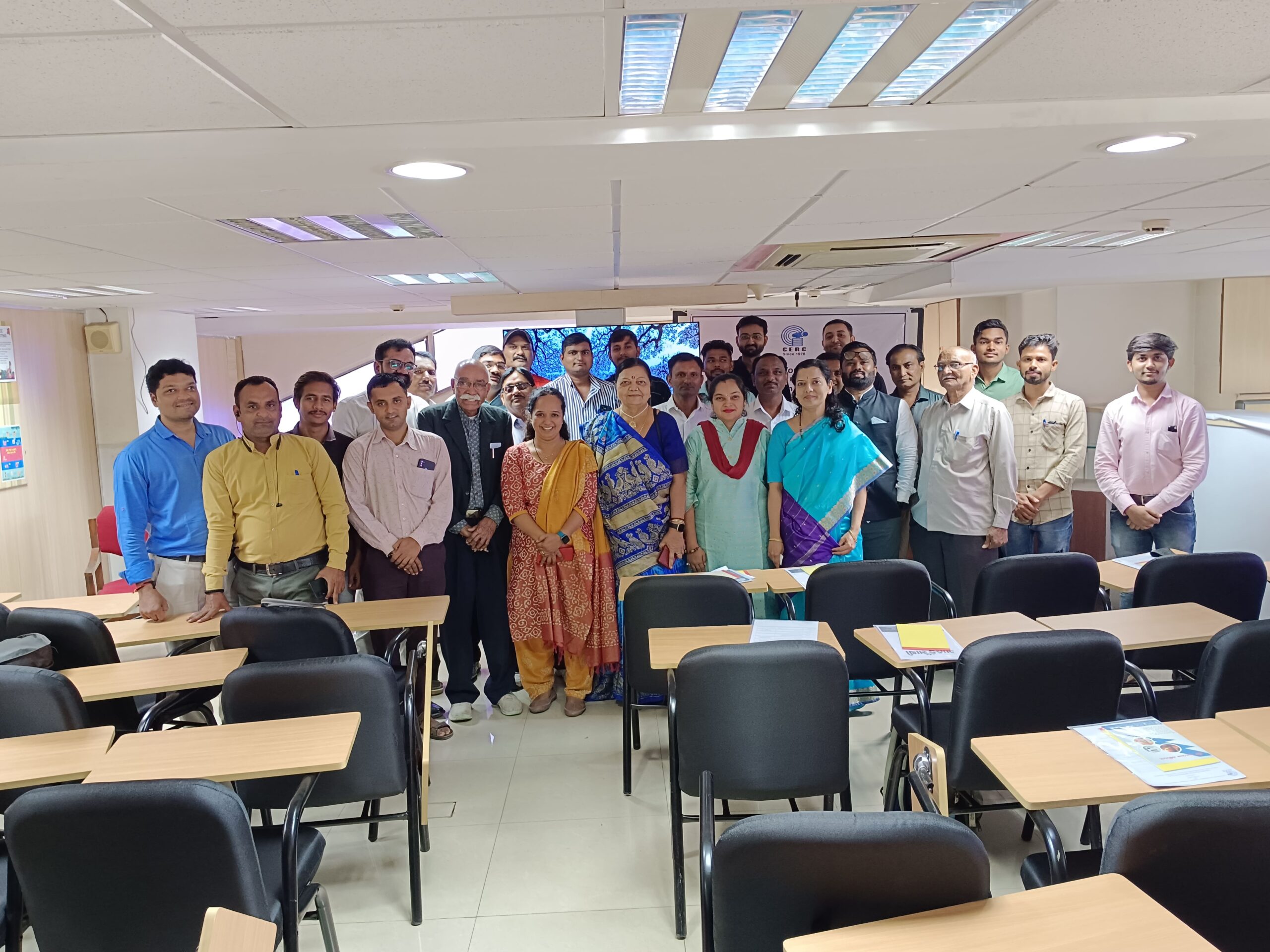
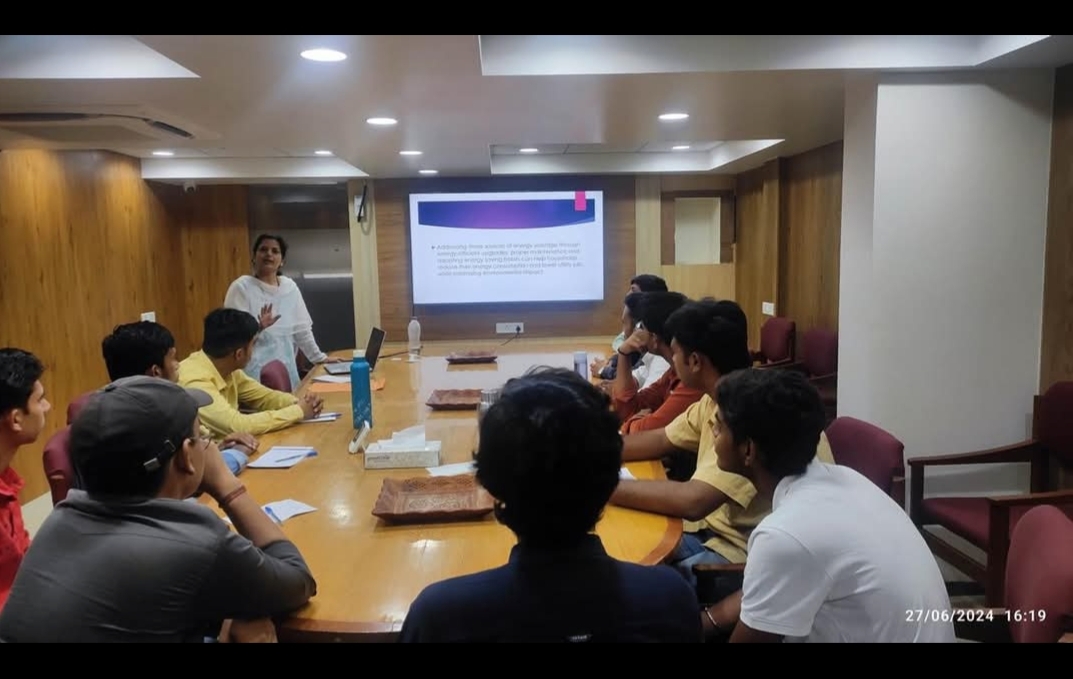
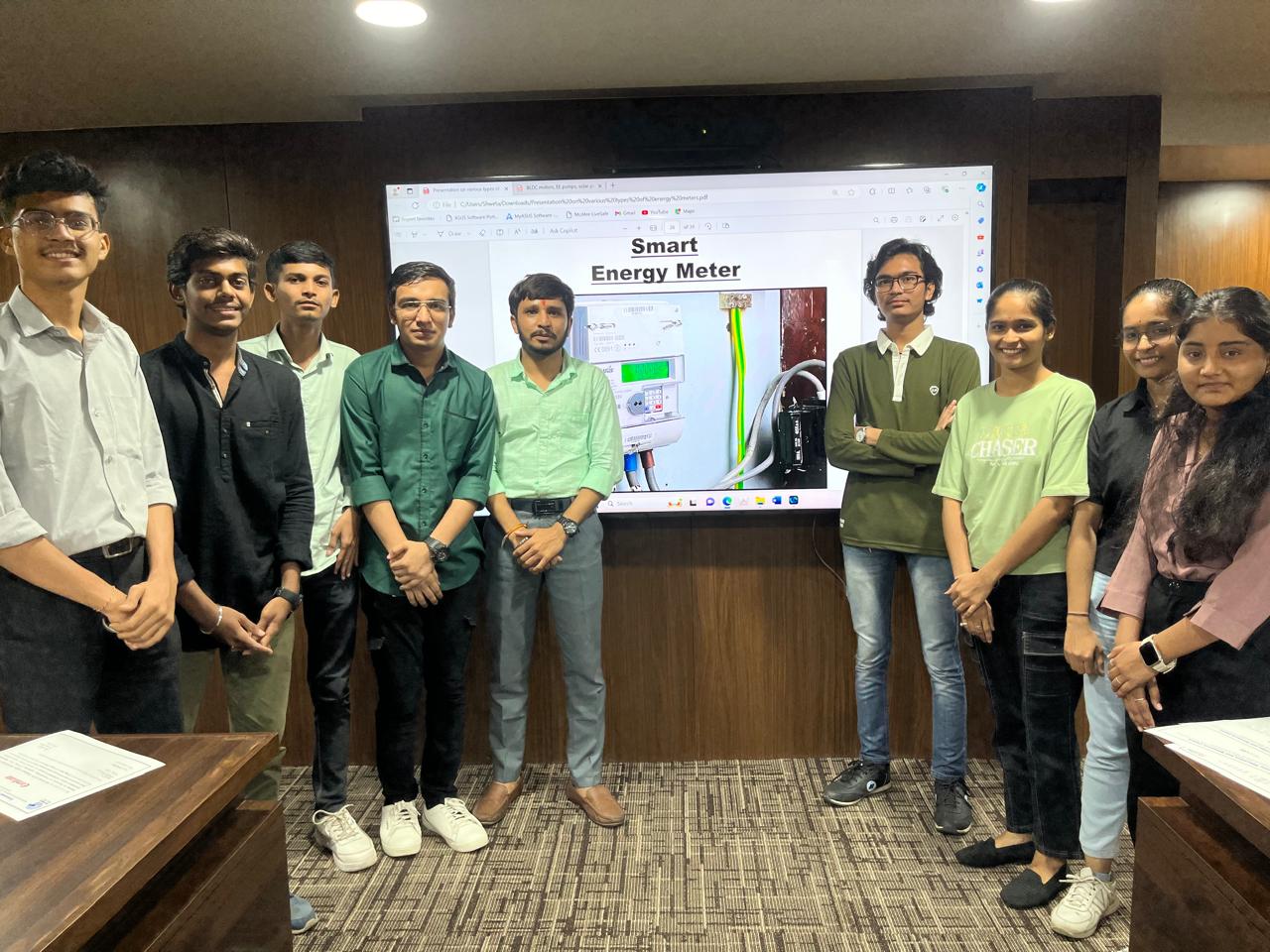
Various training and awareness programmes are regularly conducted for school children, college students, and for senior citizens on electrical safety, energy efficiency, energy conservation, etc.
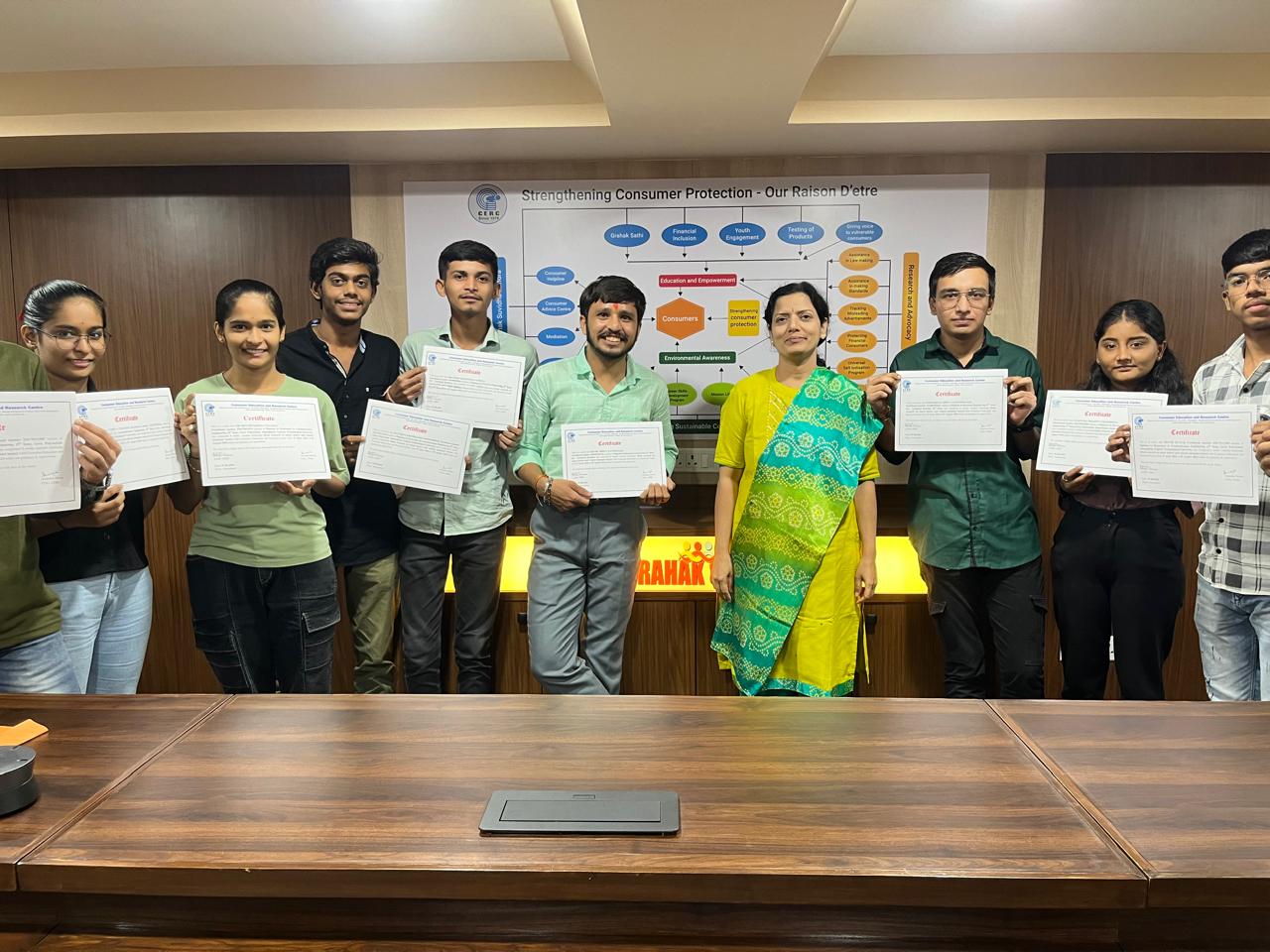
The laboratory also offers free internships to students from government polytechnics, private technical institutes, and engineering colleges as part of the GTU curriculum. requirements. Interns are trained in practical skills and awarded with certificates & evaluation rubrics.
Home Energy Audits
CERC’s project on training and Home Energy Assessment:
A project had three major components:
A: Training of fresh diploma candidates as energy conservators.
Ten candidates were trained and certified as energy conservators by equipping them with knowledge and tools necessary to conduct home energy audits.
B. Lead generation for audits.
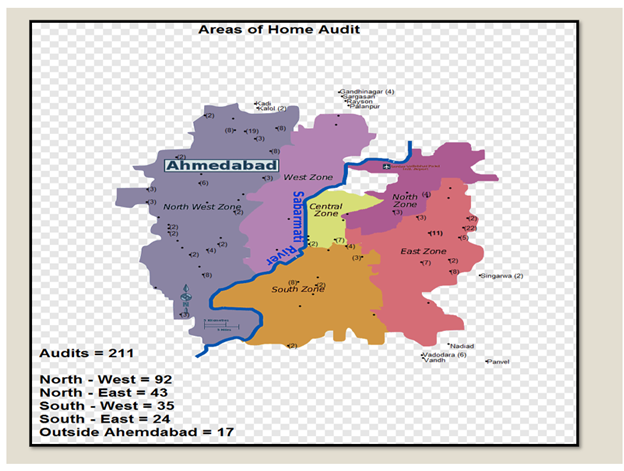
Identified 211 homes
(Community oriented collaboration in & around Ahmedabad)
C. Conducted home energy Audits & provided report with guidance to consumers on energy conservation for reduction in their energy bills.
The initiative empowered trainees with practical skills in energy auditing, contributing to household energy conservation and cost reduction
Walk-in type energy assessment was conducted in 211 homes and workable suggestions were provided for reducing energy bills without compromising on their comfort, health & safety.
This project has helped consumers in identifying areas where energy is being wasted in homes and areas where some improvement can be done that can lead to significant savings.
Consumers were provided with workable suggestions, low or no cost solutions, including behavioral changes, efficient product usage, and government subsidized options, sensitized about standby power to help them reduce their energy bills.
Solar panel users were also benefited with improvement in solar Generation units by implementing our suggestions.
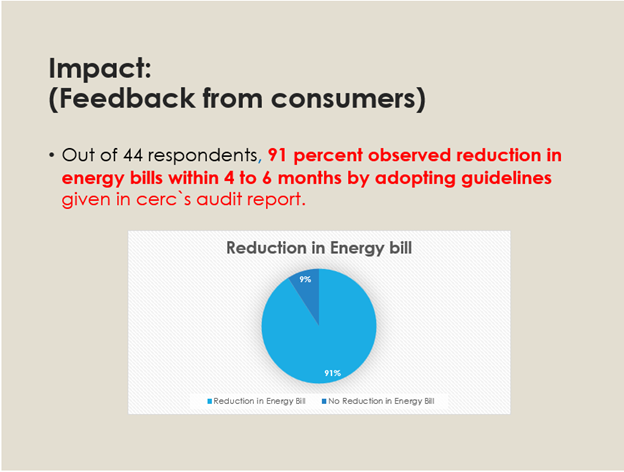
The initiative demonstrated that widespread home energy audits can deliver a massive impact on wallet & plant both.
Cumulative effect has resulted in saving of about 2000 kWh of electricity.
Project Findings for mass consumption products:
Out of 211 households audited,
- LED lights were used in most of the homes (95%) as Government has given subsides.
- Only 3.3% consumers are using energy efficient BLDC fans.
- Only 40% are using 3 to 5 stars rated refrigerators.
- Hardly 10% are using 5 stars rated ACs.
- Only 2% consumers have awareness on temperature setting at 26°C for using ACs.
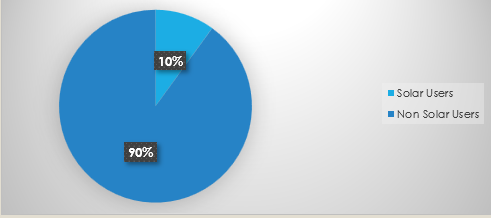
Use of electricity has increased with use of more and more home appliances but only 10% have solar rooftops, 1.5% have EVs & 90% consumers are not using solar/renewable energy.
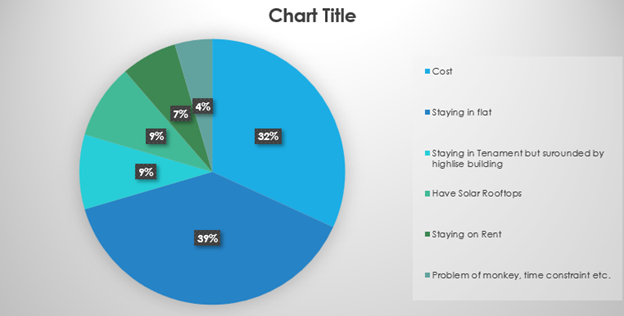
Hindrances expressed by consumers to adopt solar/ renewable energy:
- 32 percent respondents feel that the cost of renewable energy is high.
- 39 percent are willing but they are staying in flats.
- 7 percent are staying on rent so cannot take decision by their own.
- 9 percent are staying in tenements but surrounded by High-rise buildings.
- 4 percent expressed the problem of monkeys damaging TV antennas hence not willing to go for solar rooftops.
Out of 211 consumers, 180 were using LPG (85%) and 23 were using PNG (13%).