
Projects & Outreach
Empowering Consumers. Building Awareness. Creating Impact.
Jagrut Grahak Gam Project Rajpar Village
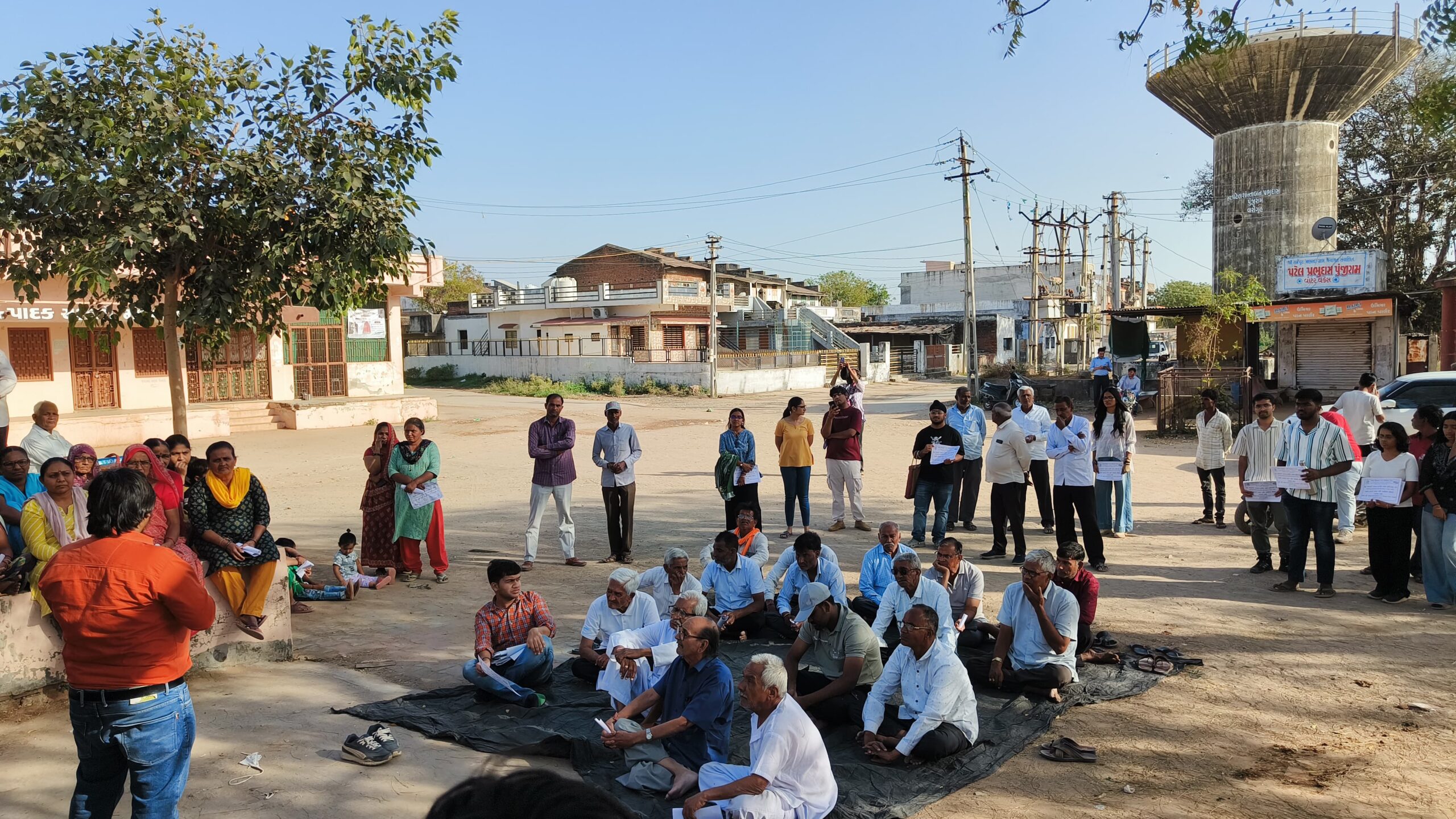
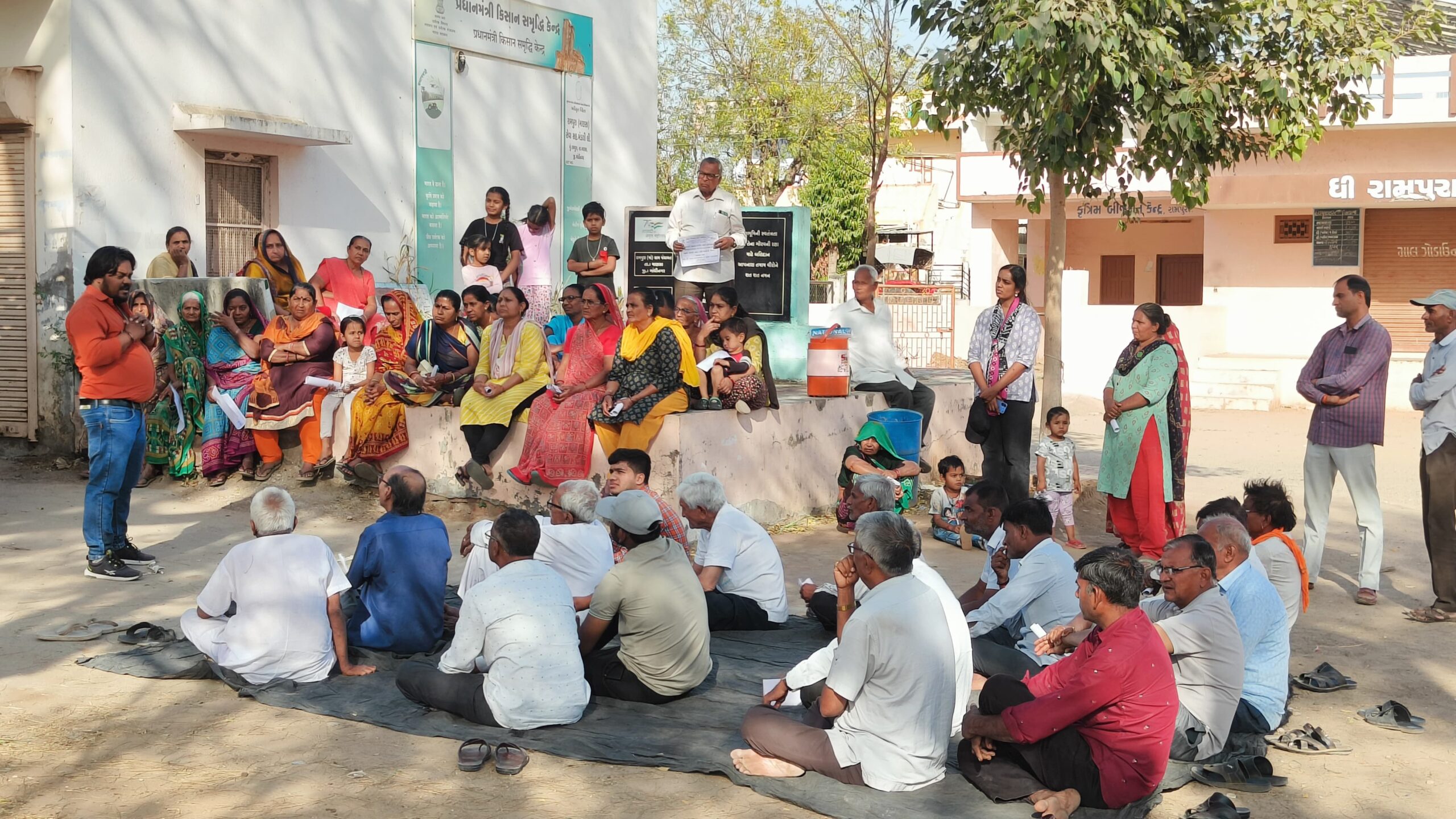
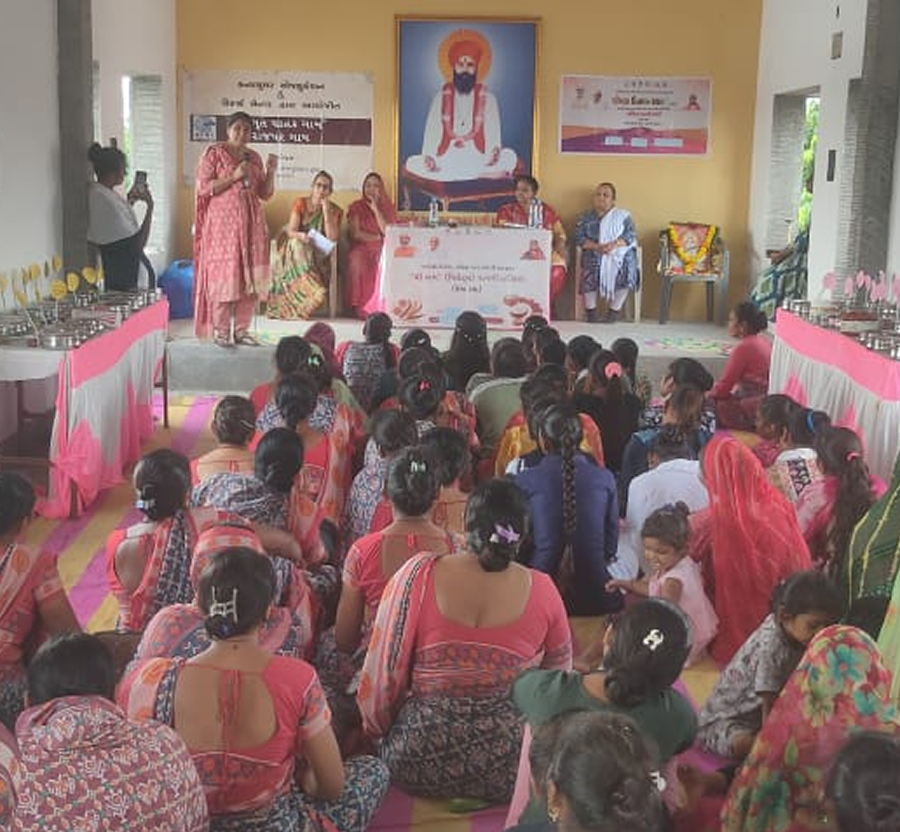
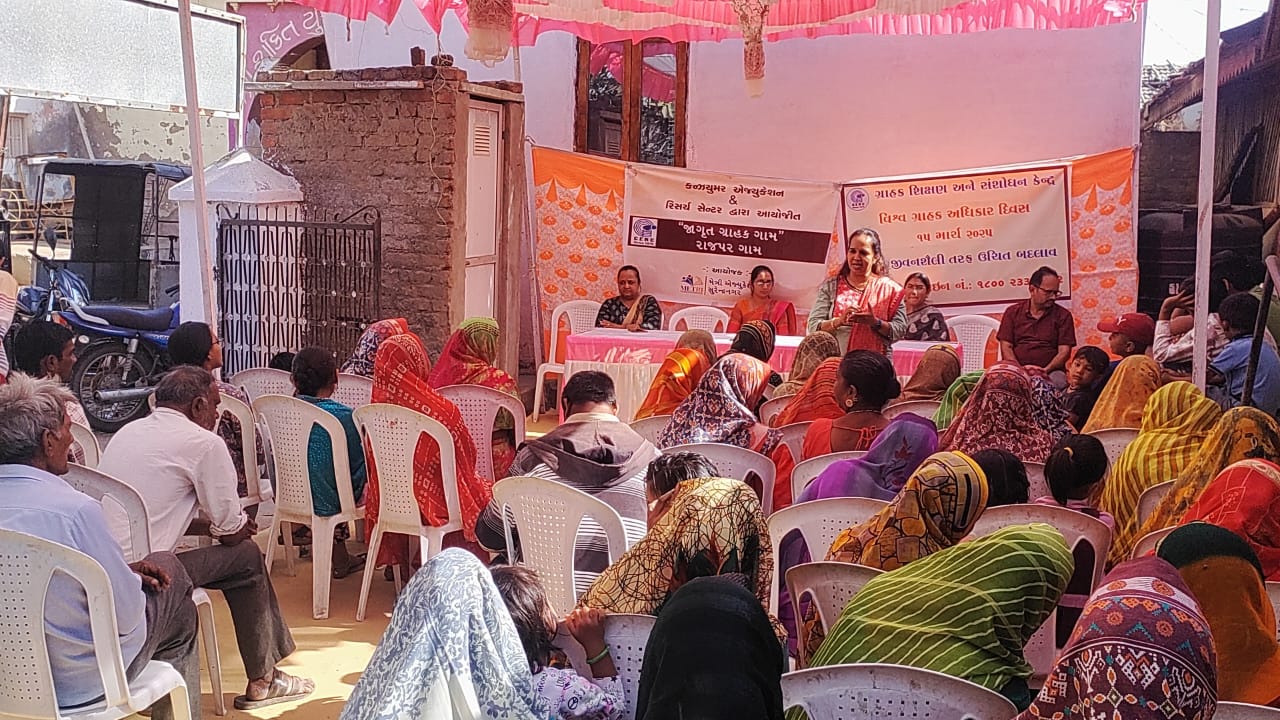
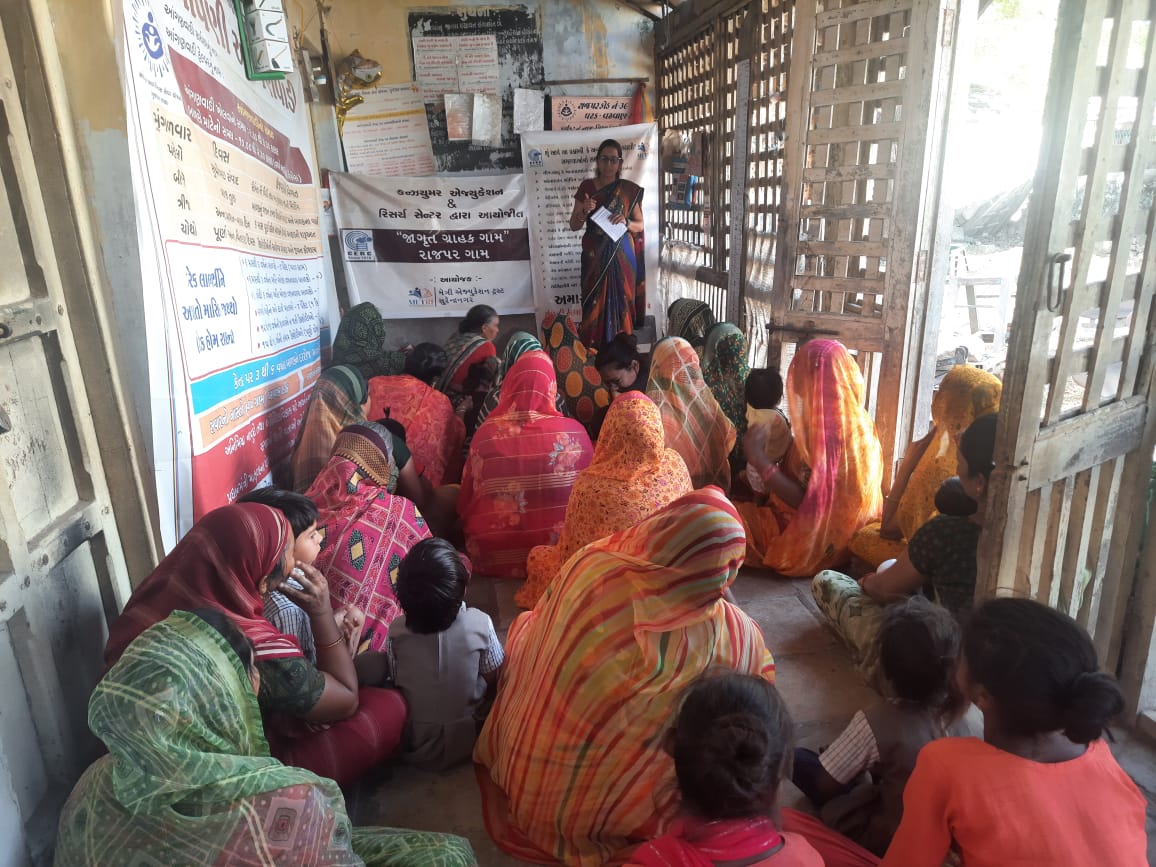
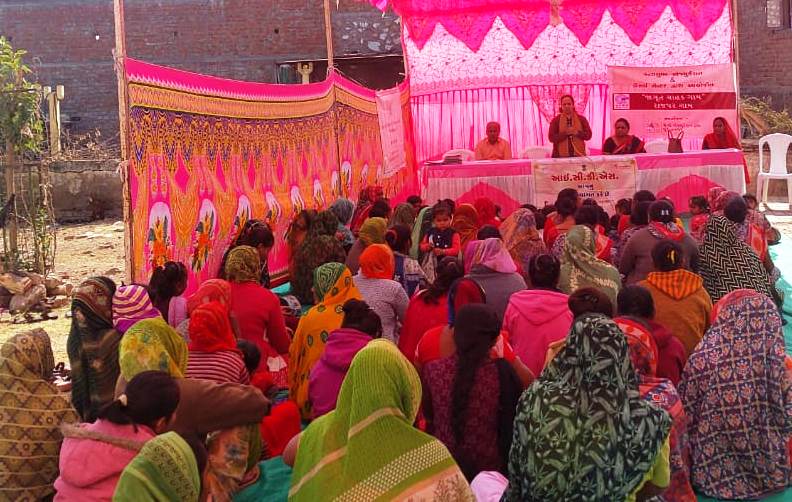
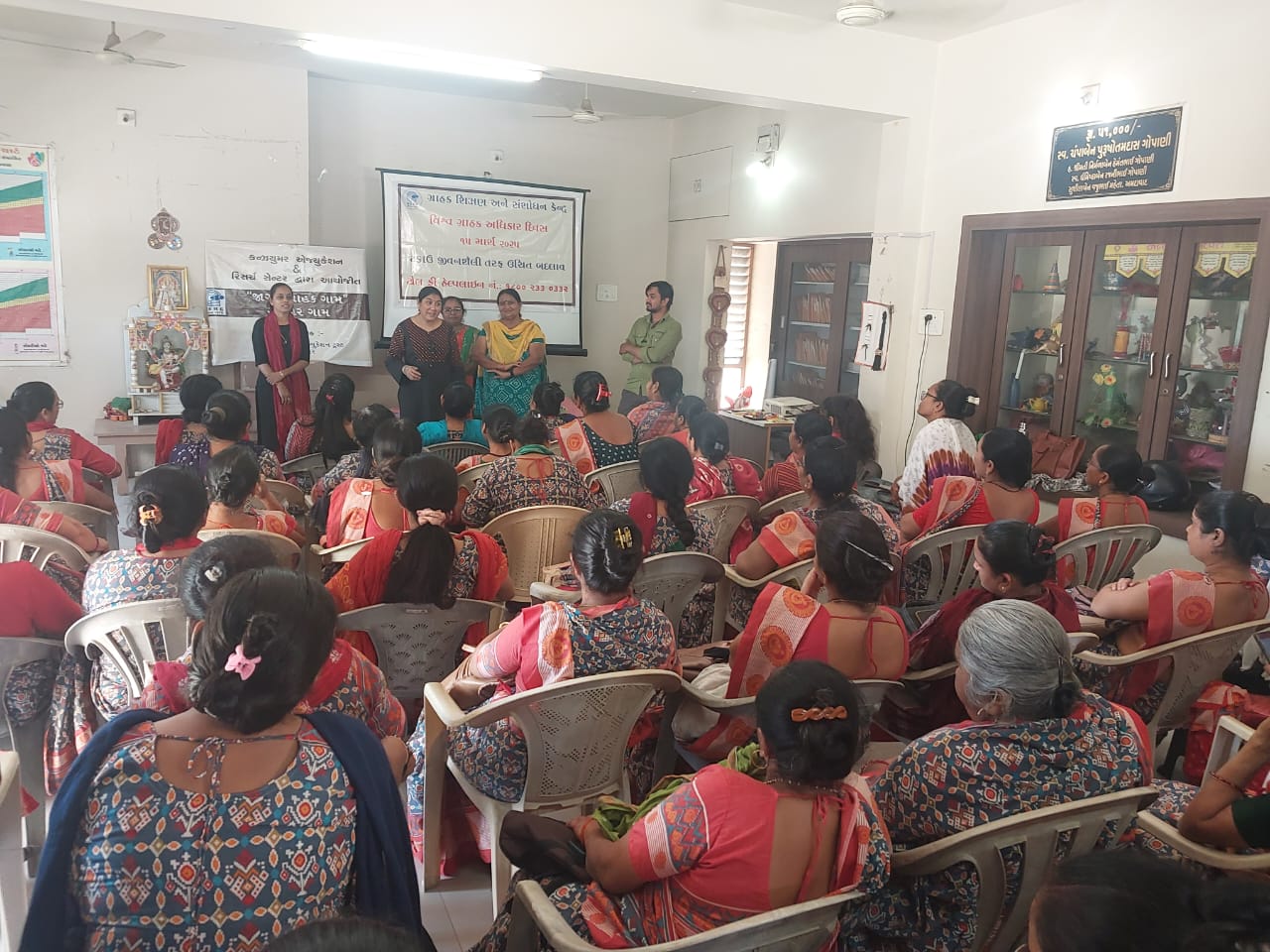
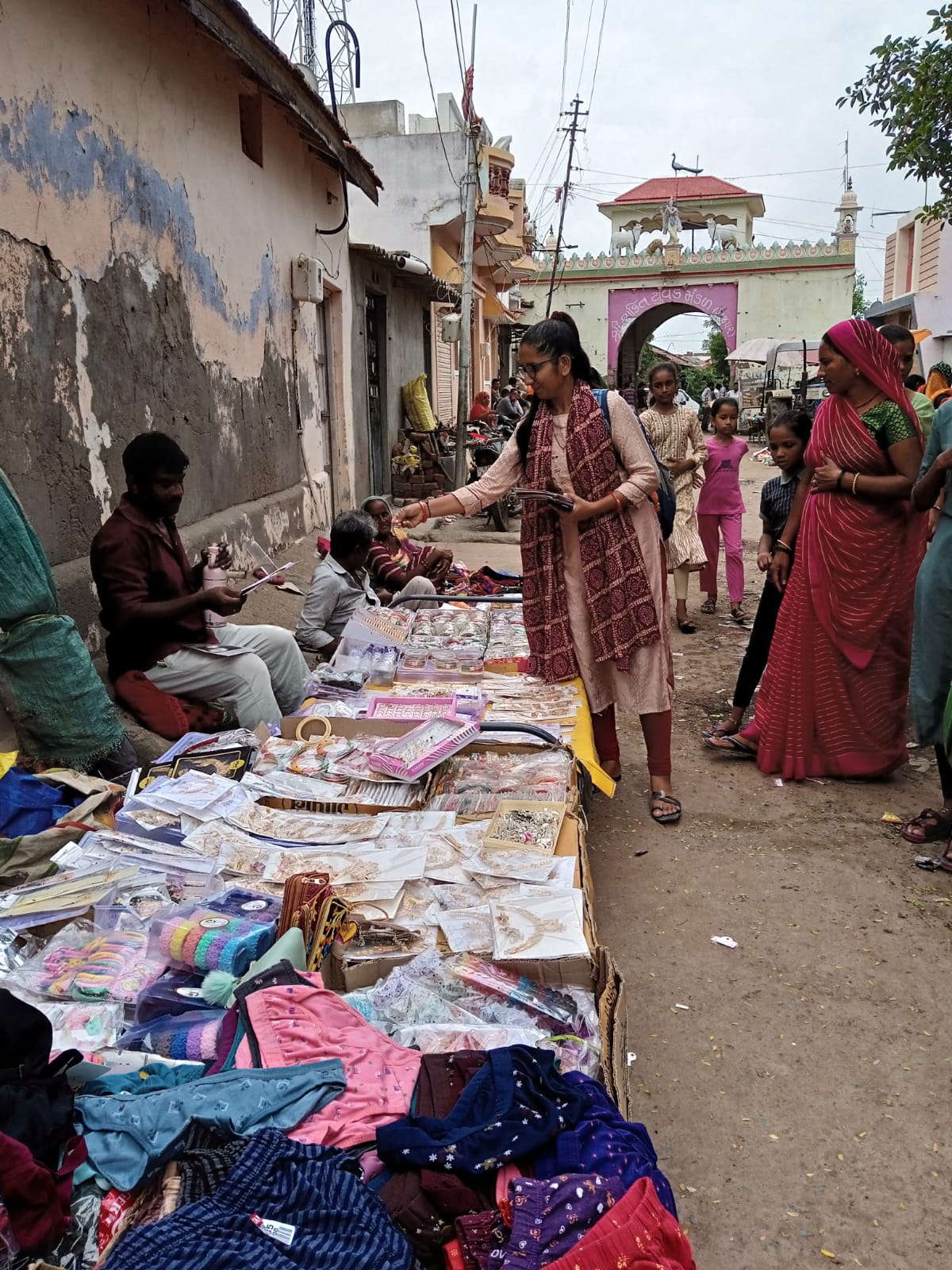
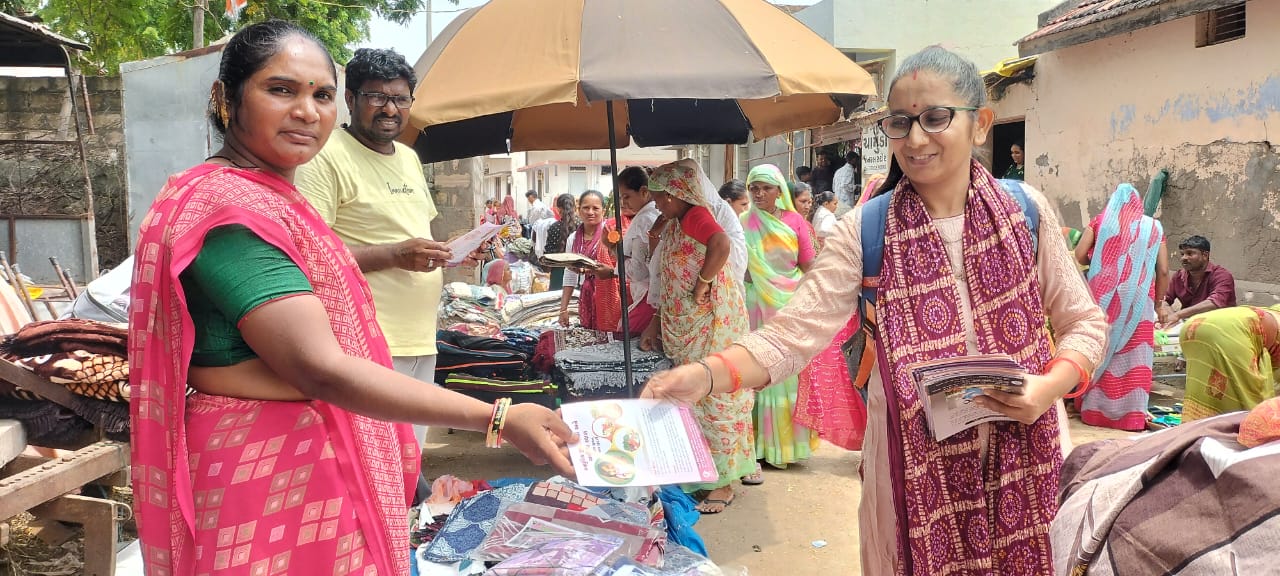
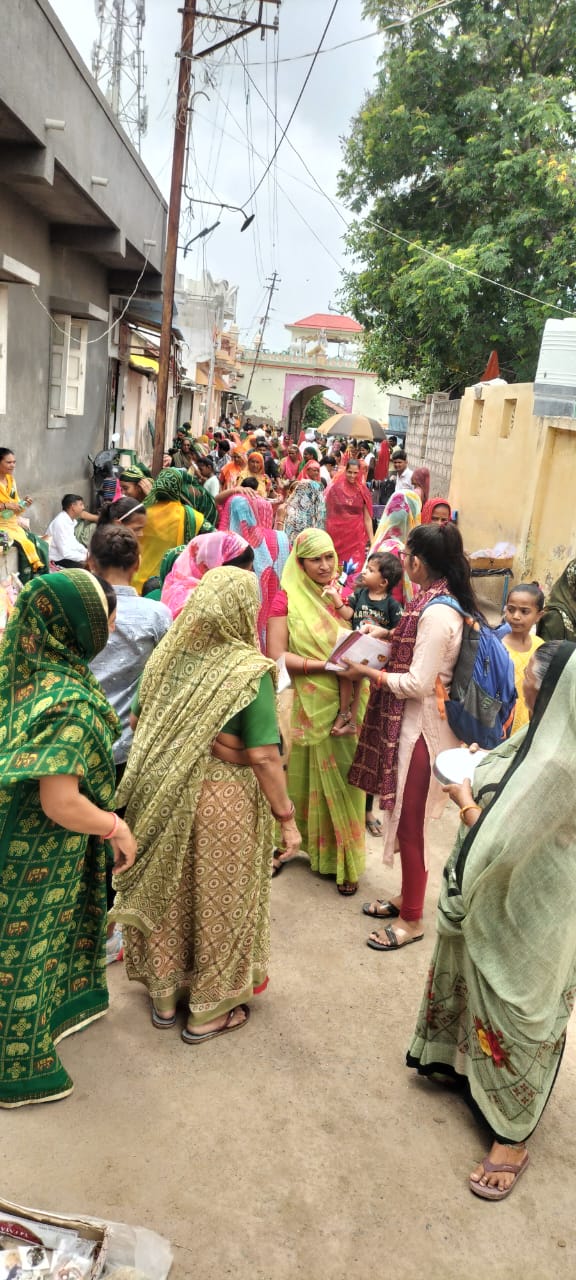
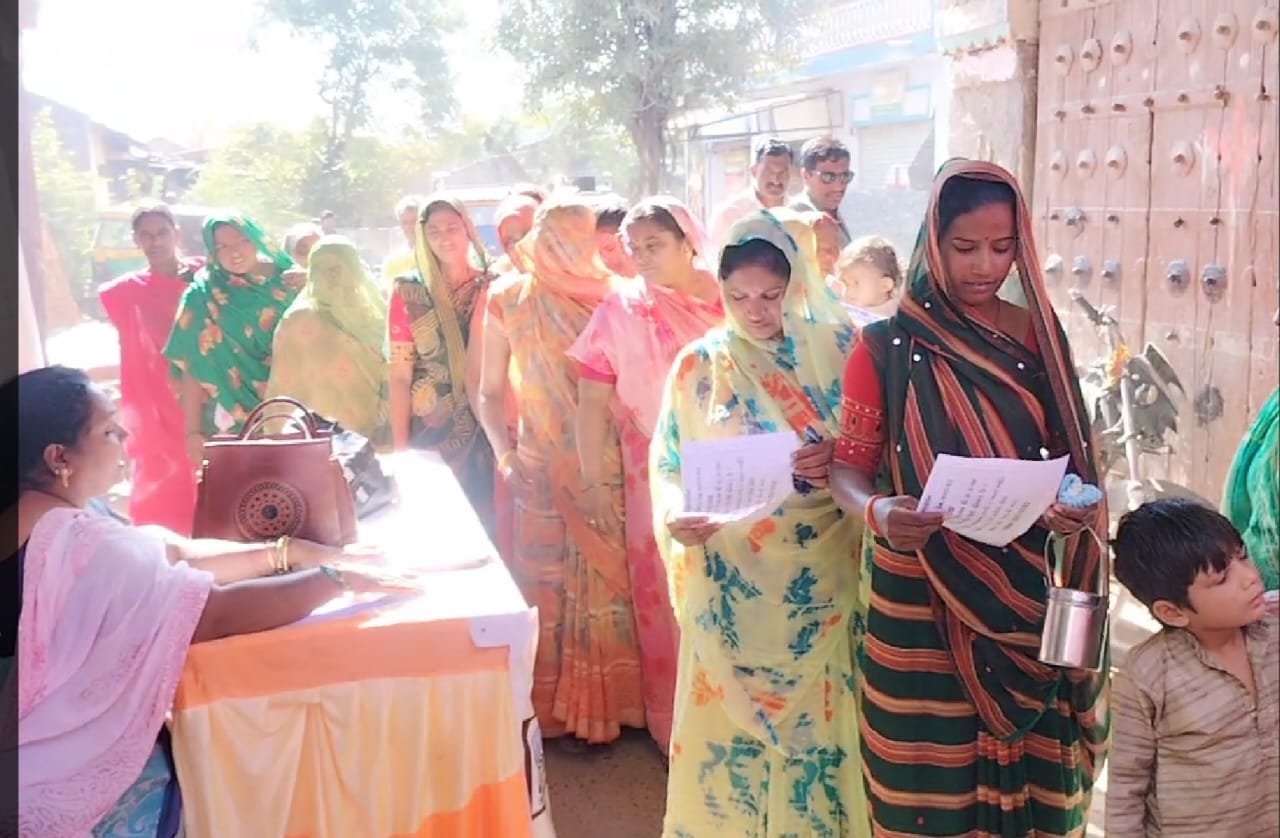
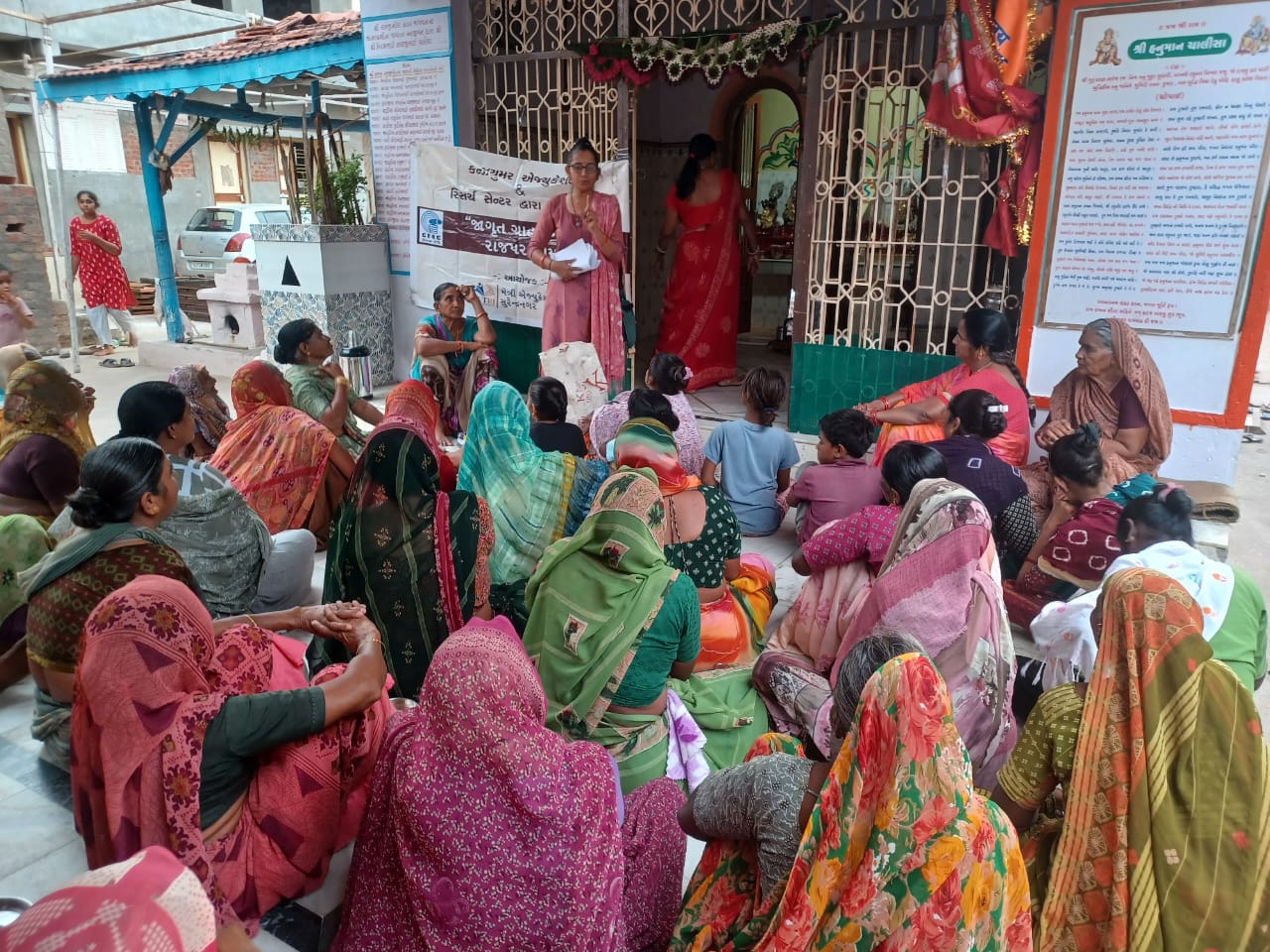
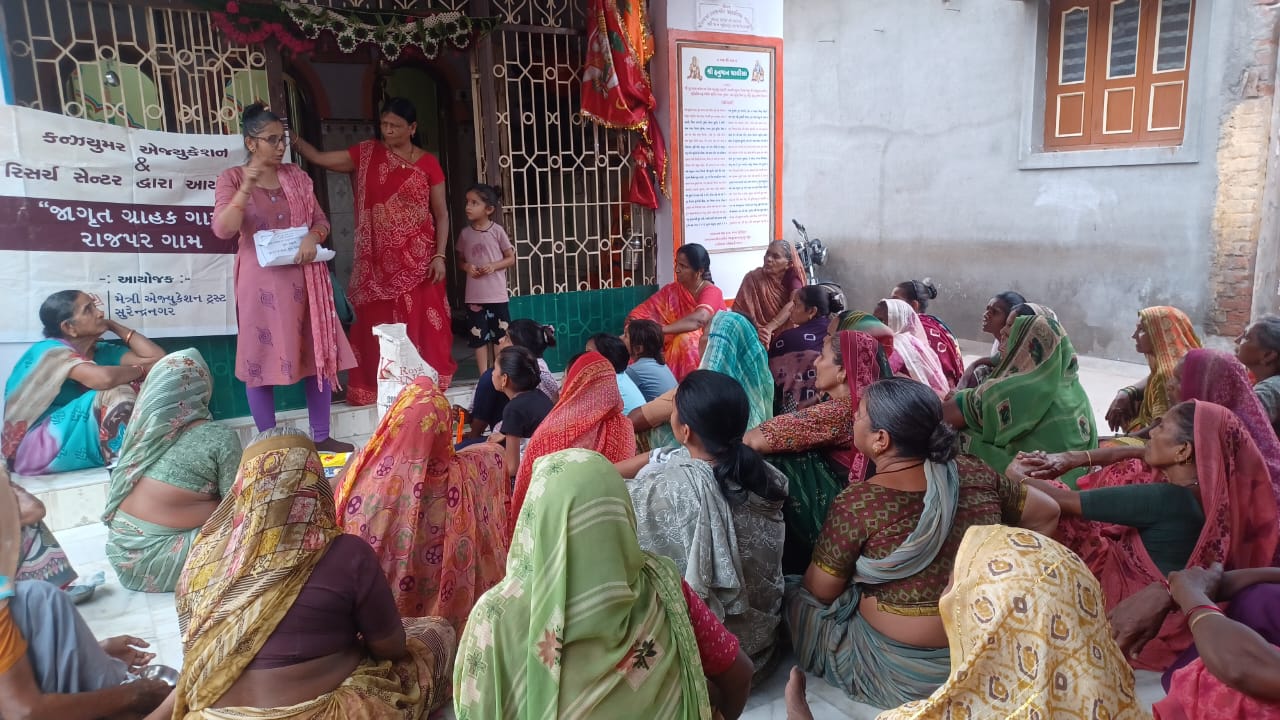
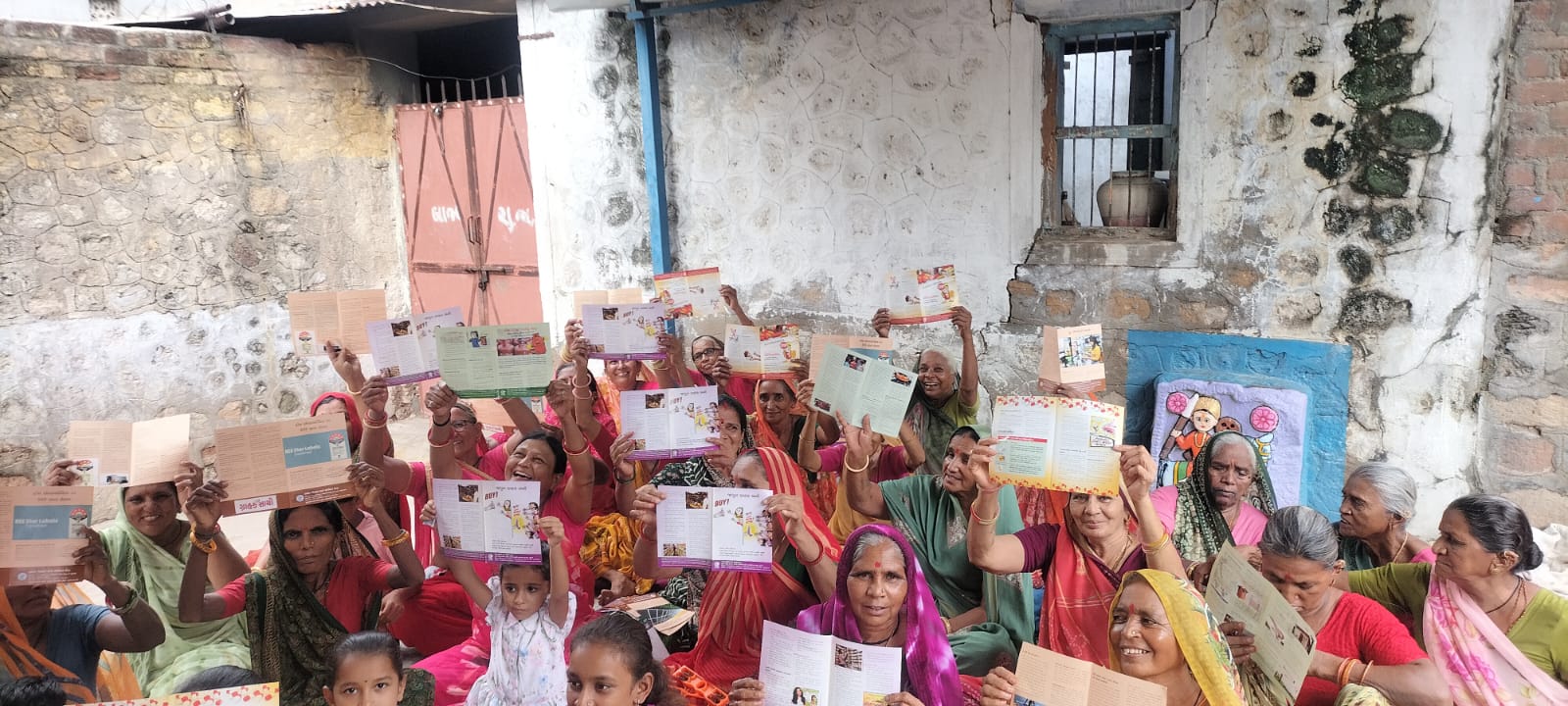
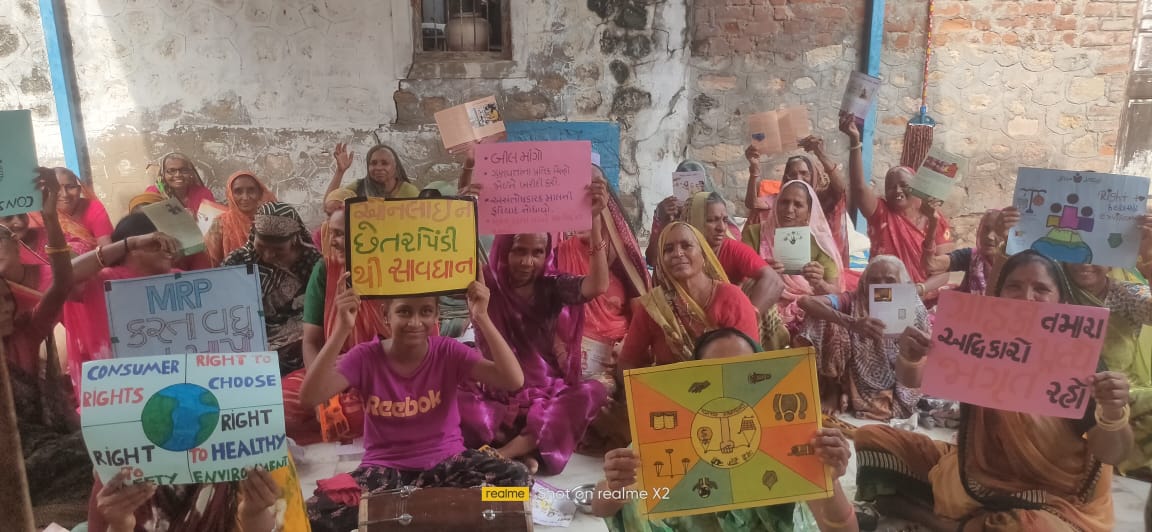
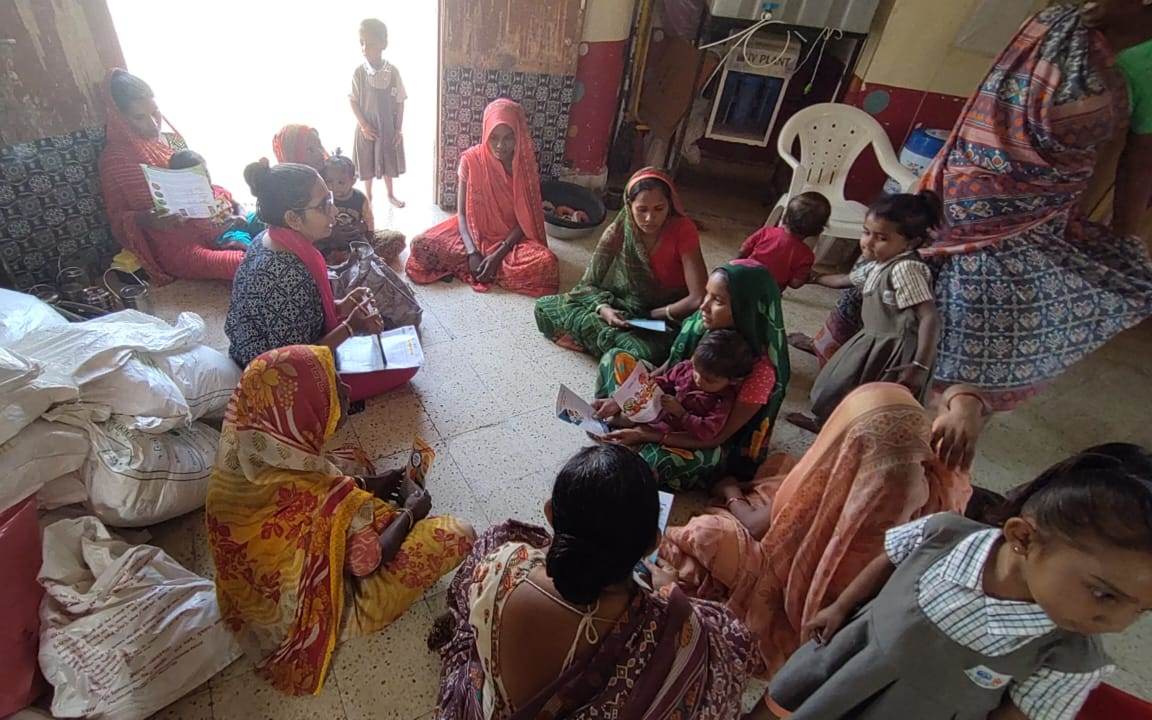
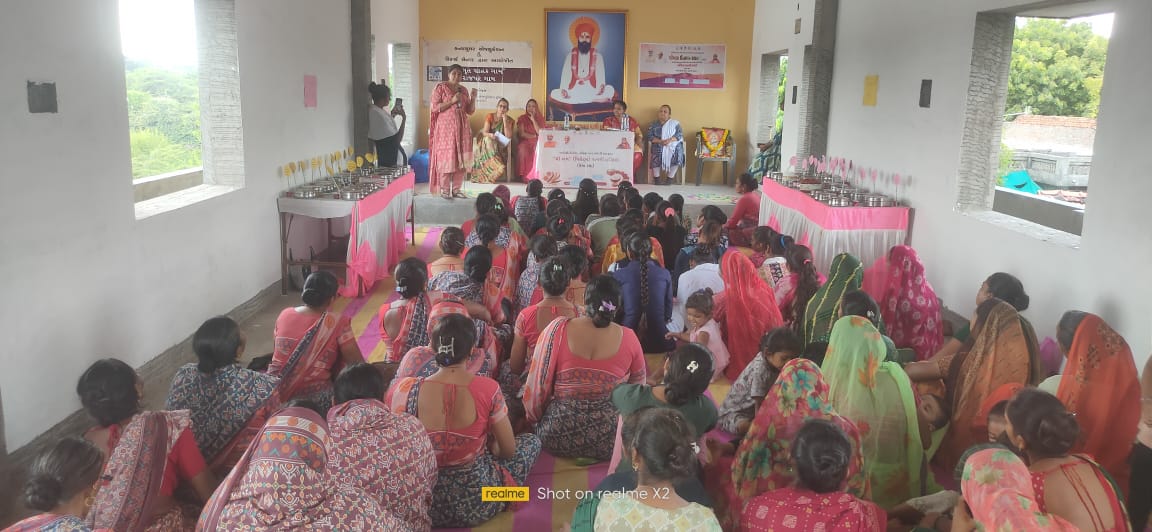
CERC has initiated a capacity building project in a village in Wadhwan city with an aim to develop it as a model “Jagrut Grahak Gaam”. In the pilot project, CERC will empower the citizens of the village by raising awareness about consumer rights and responsibilities through a series of activities and awareness programs about consumer grievance redressal mechanism. This exercise will help us create a replicable model to implement in other villages.
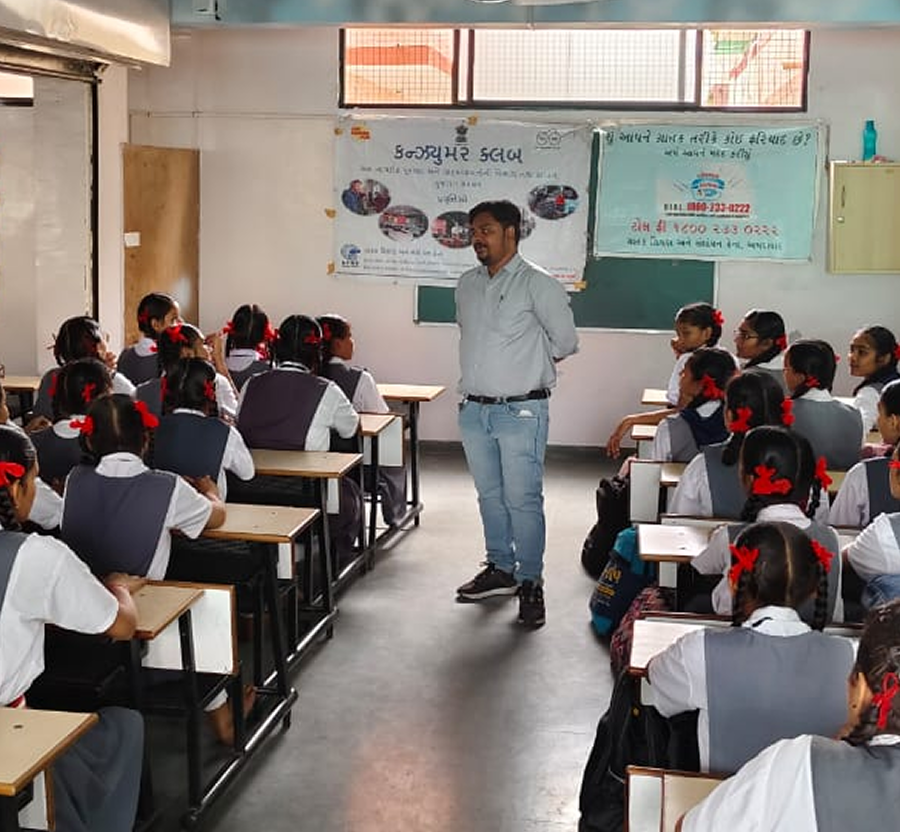
Consumer Club
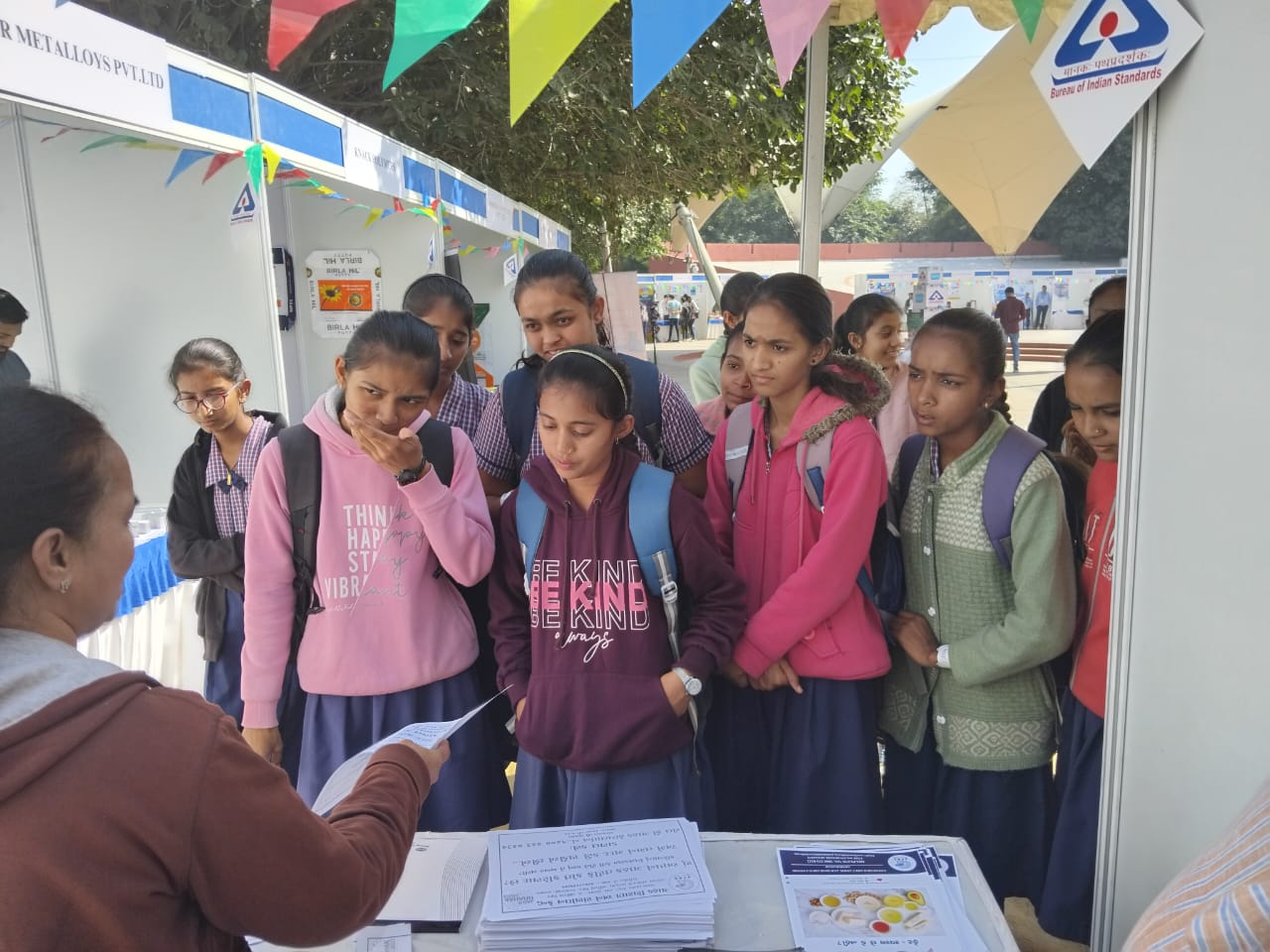
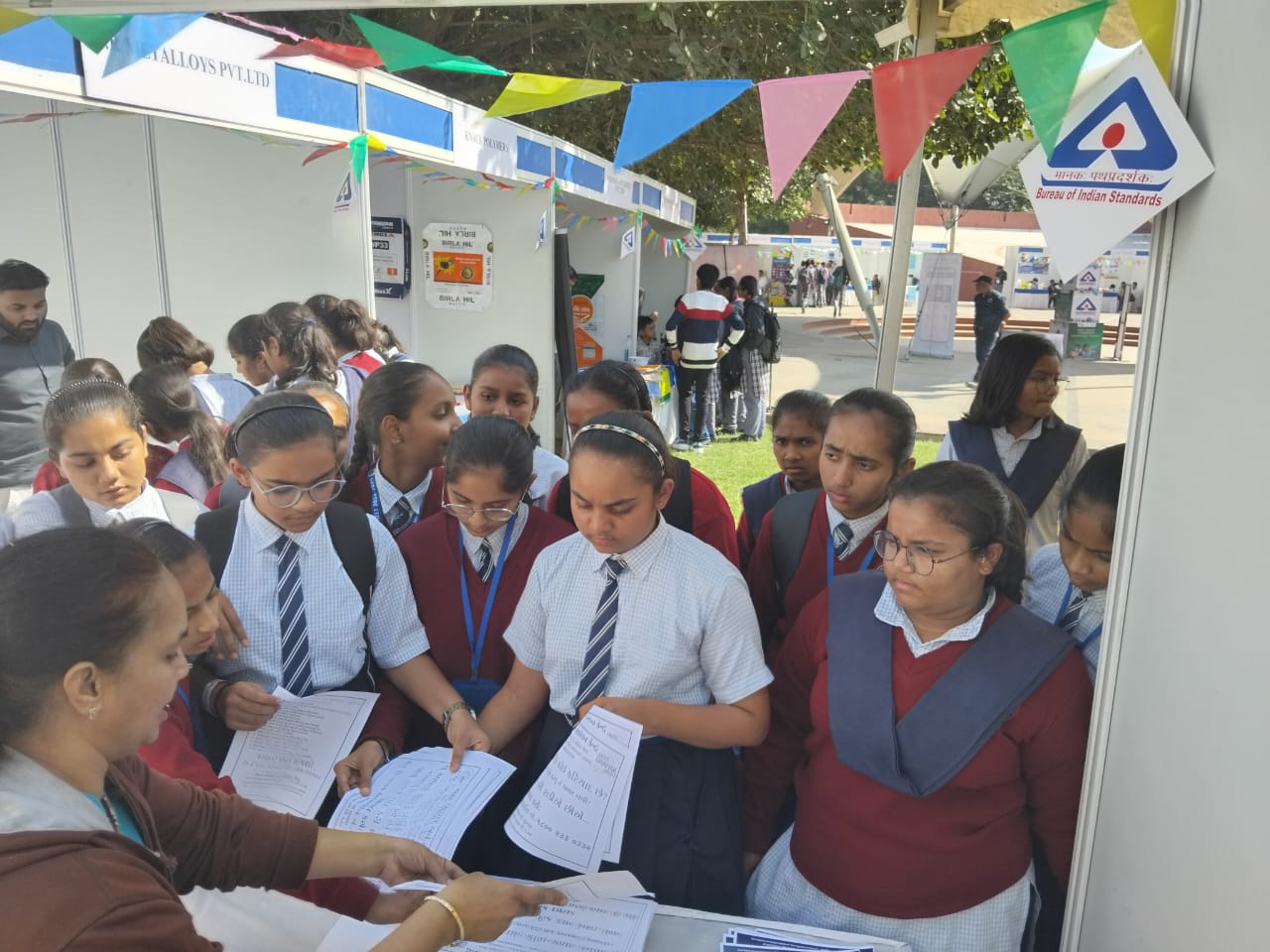
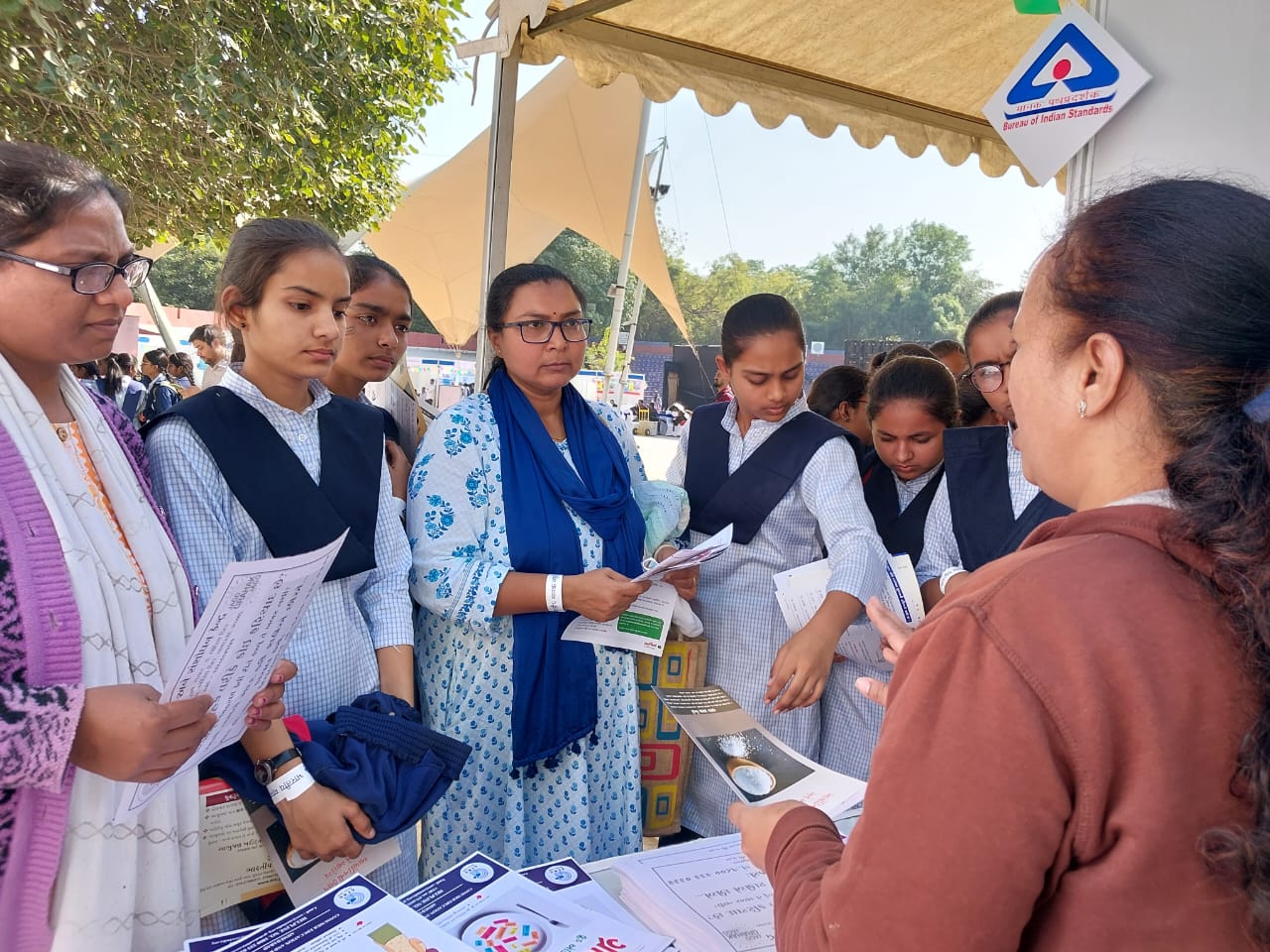
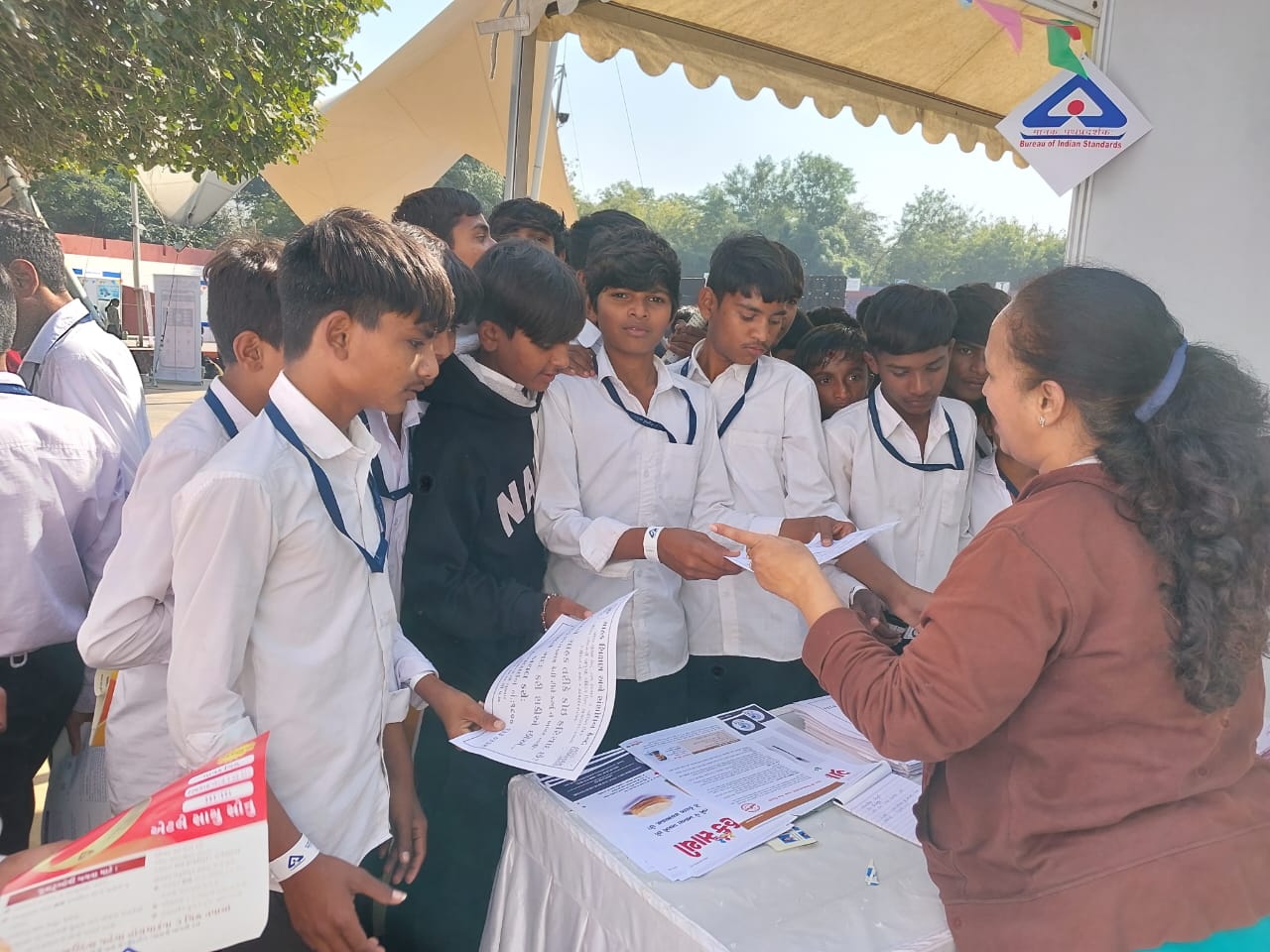
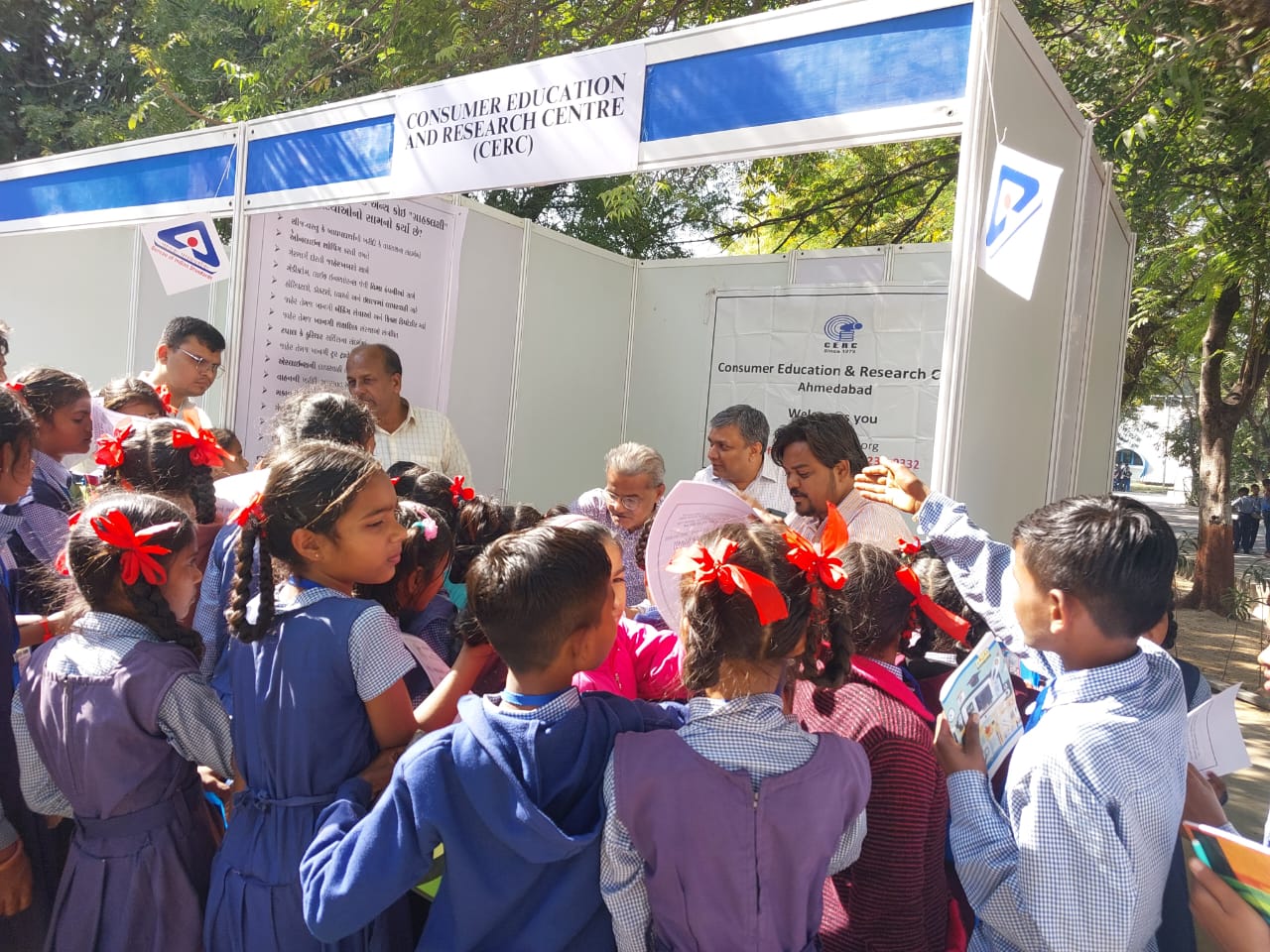
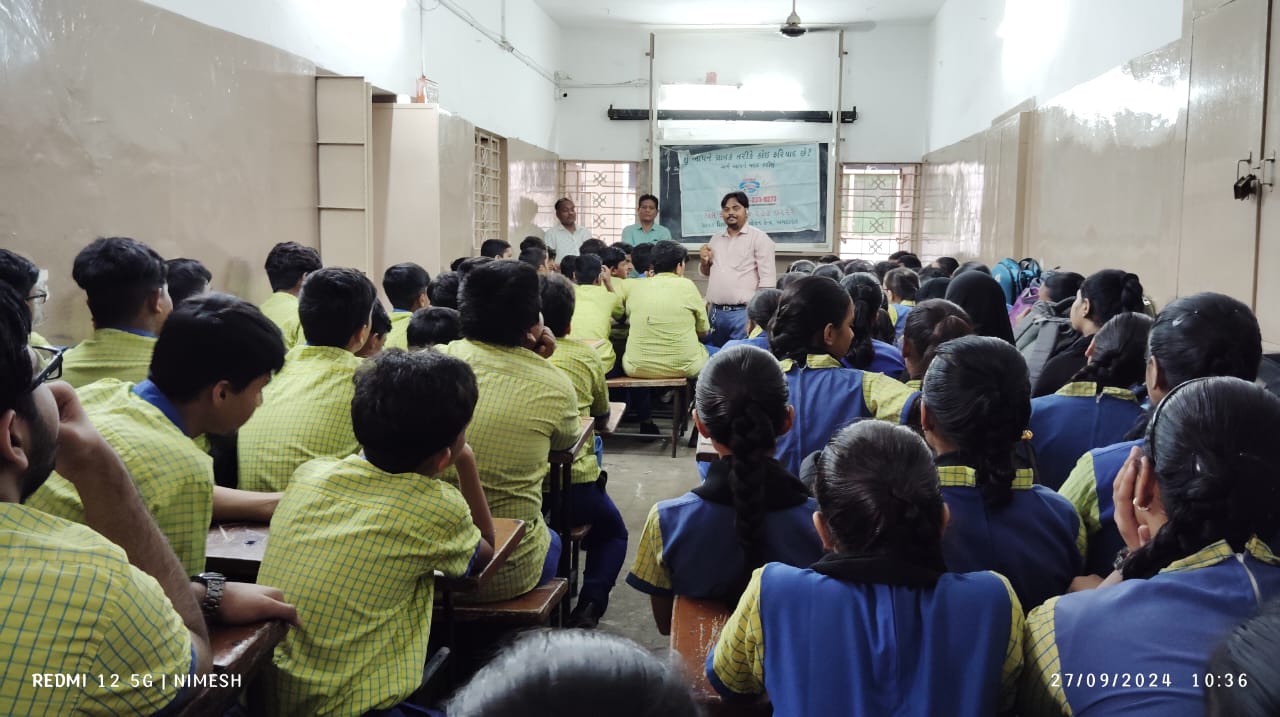
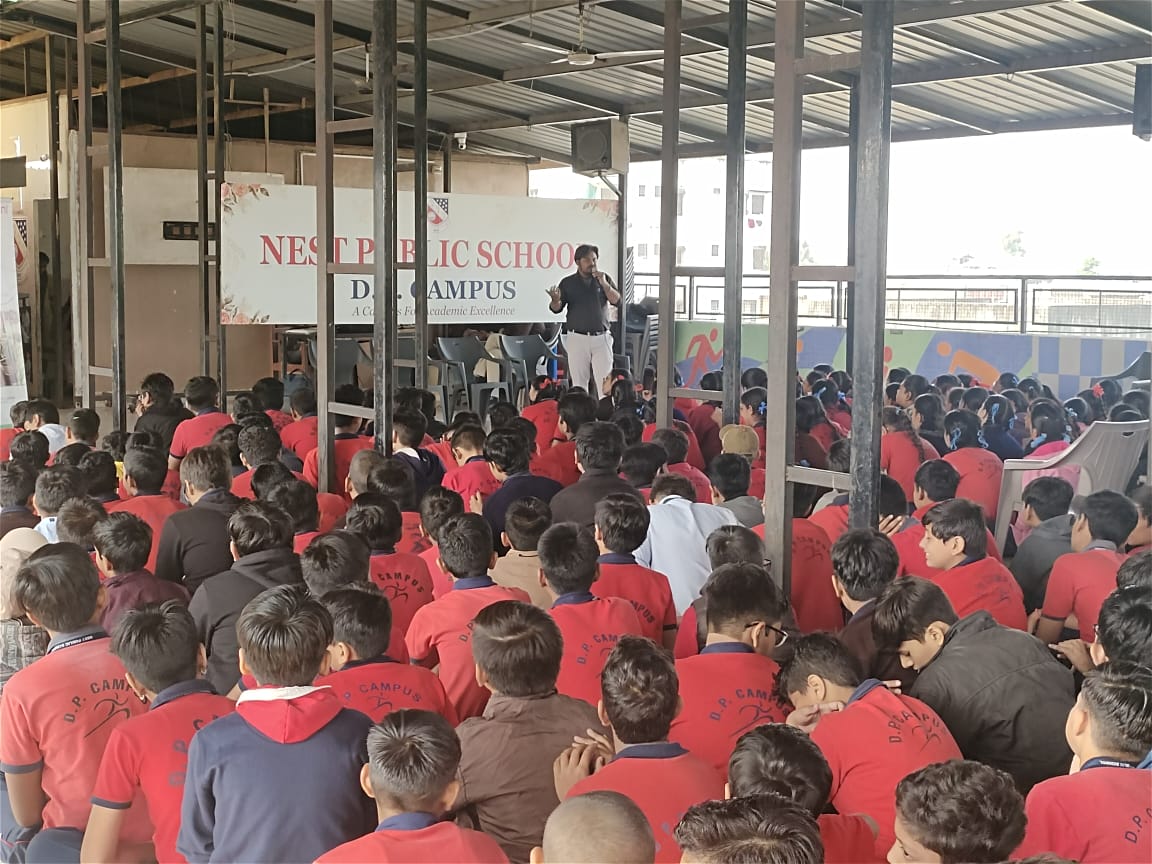
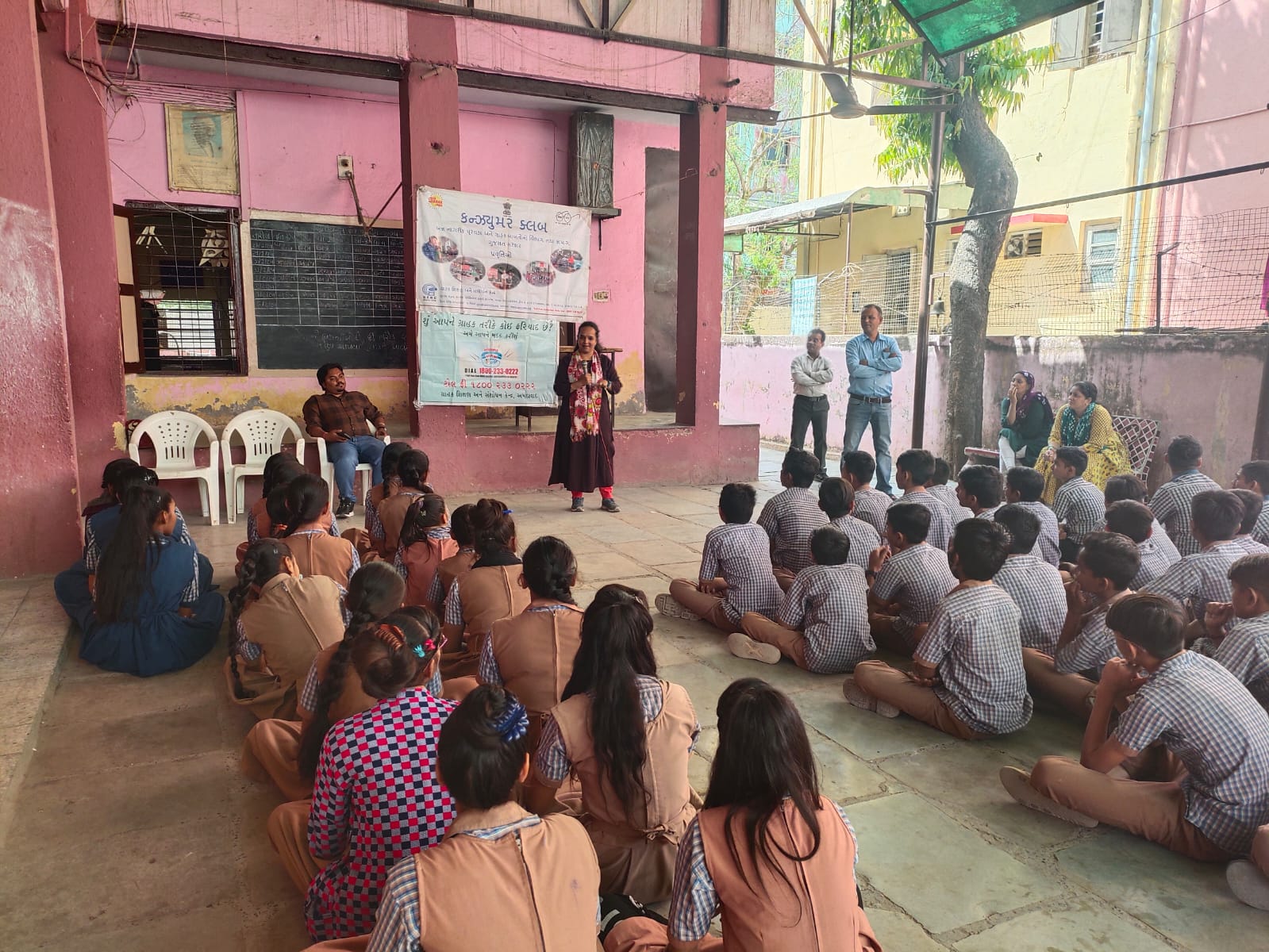
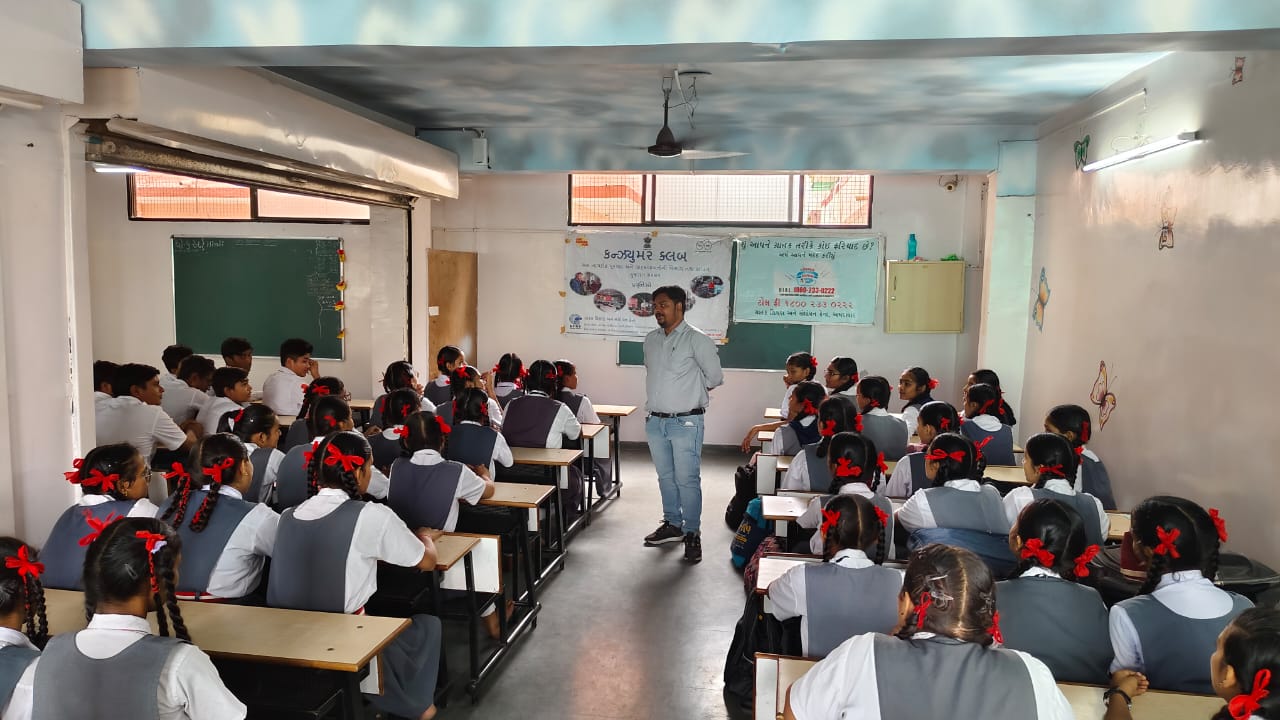
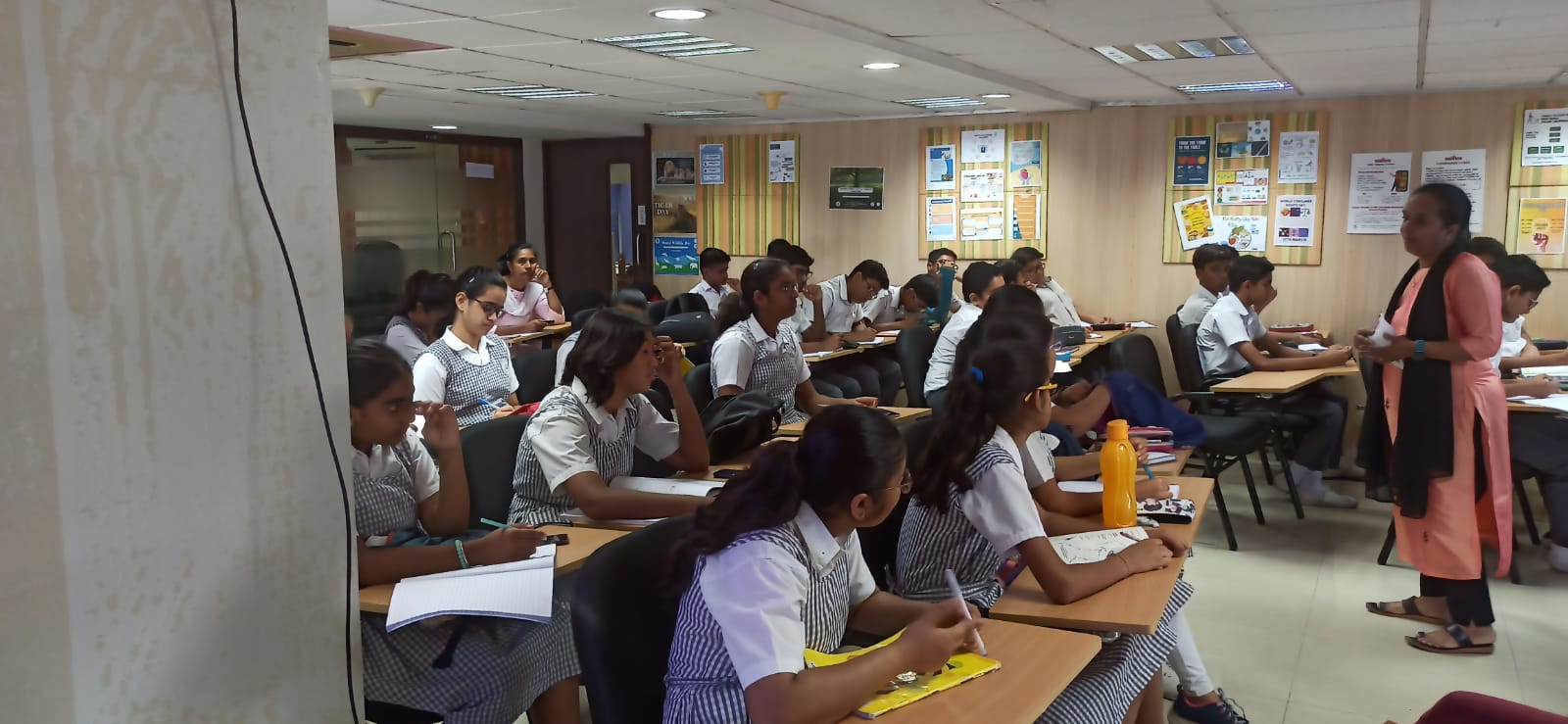
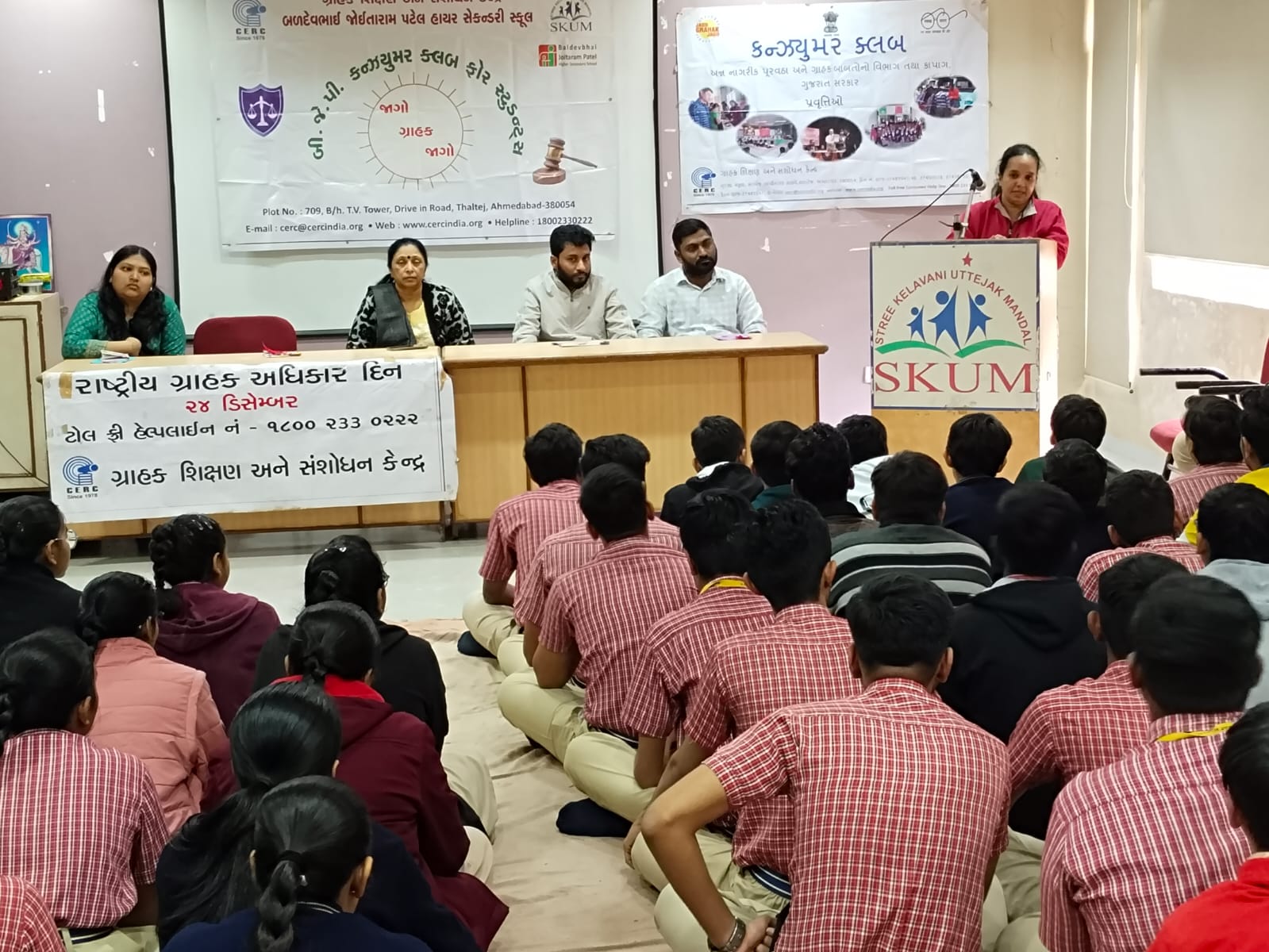
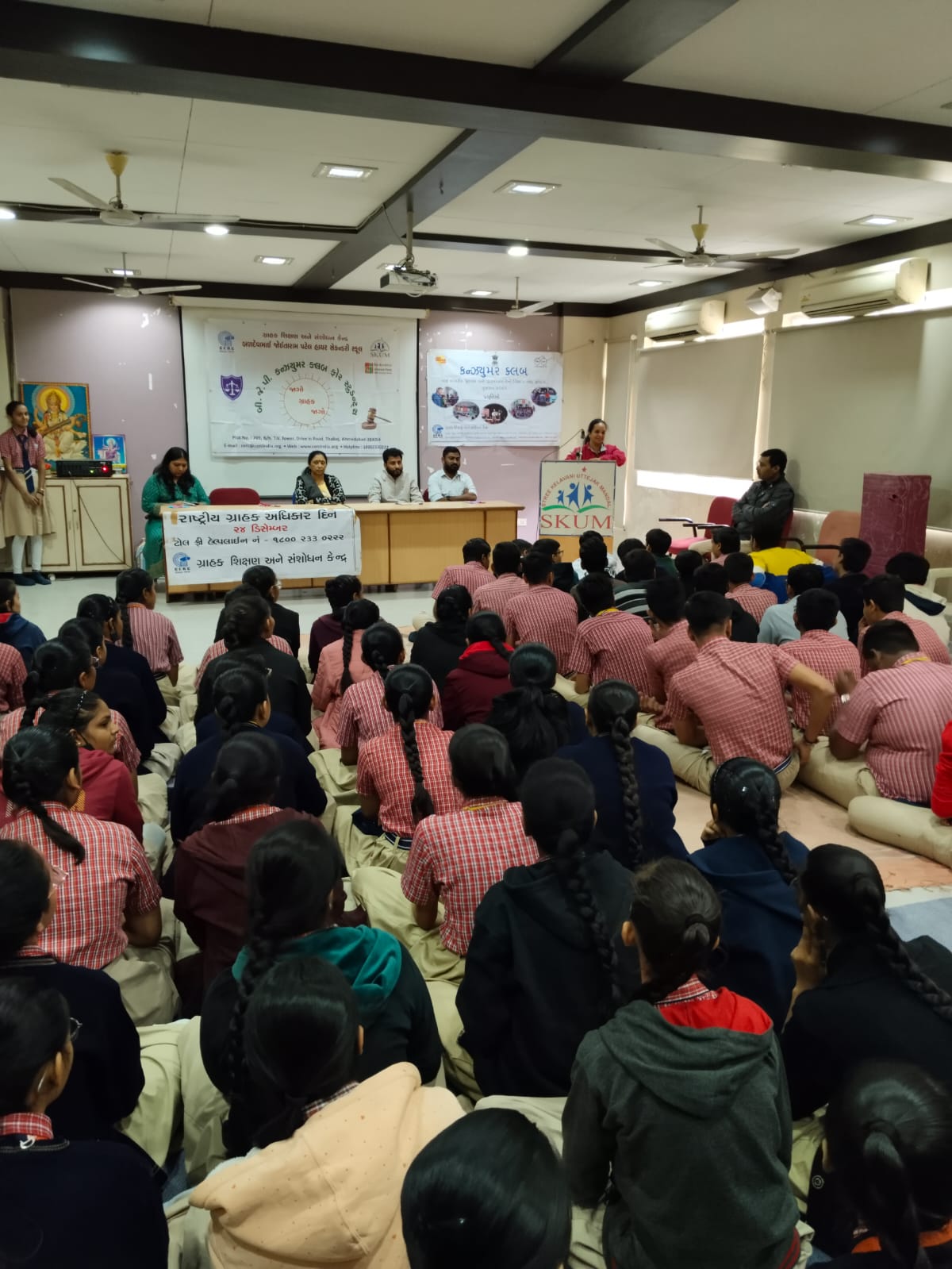
With the objective to educate and empower students about consumer rights and related issues, CERC runs Consumer Clubs in more than 150 schools and 8 colleges under a Government of Gujarat project. Many awareness programmes and activities including events like Drawing and Slogan Competitions are organised during the year in schools/colleges to reach out to maximum number of students, teachers and parents. Students are encouraged to share their ideas on themes related to Consumer Rights and Protection through articles, poems, posters, drawings, etc. which are carried in our monthly e-magazine Grahak Sathi Yuva.
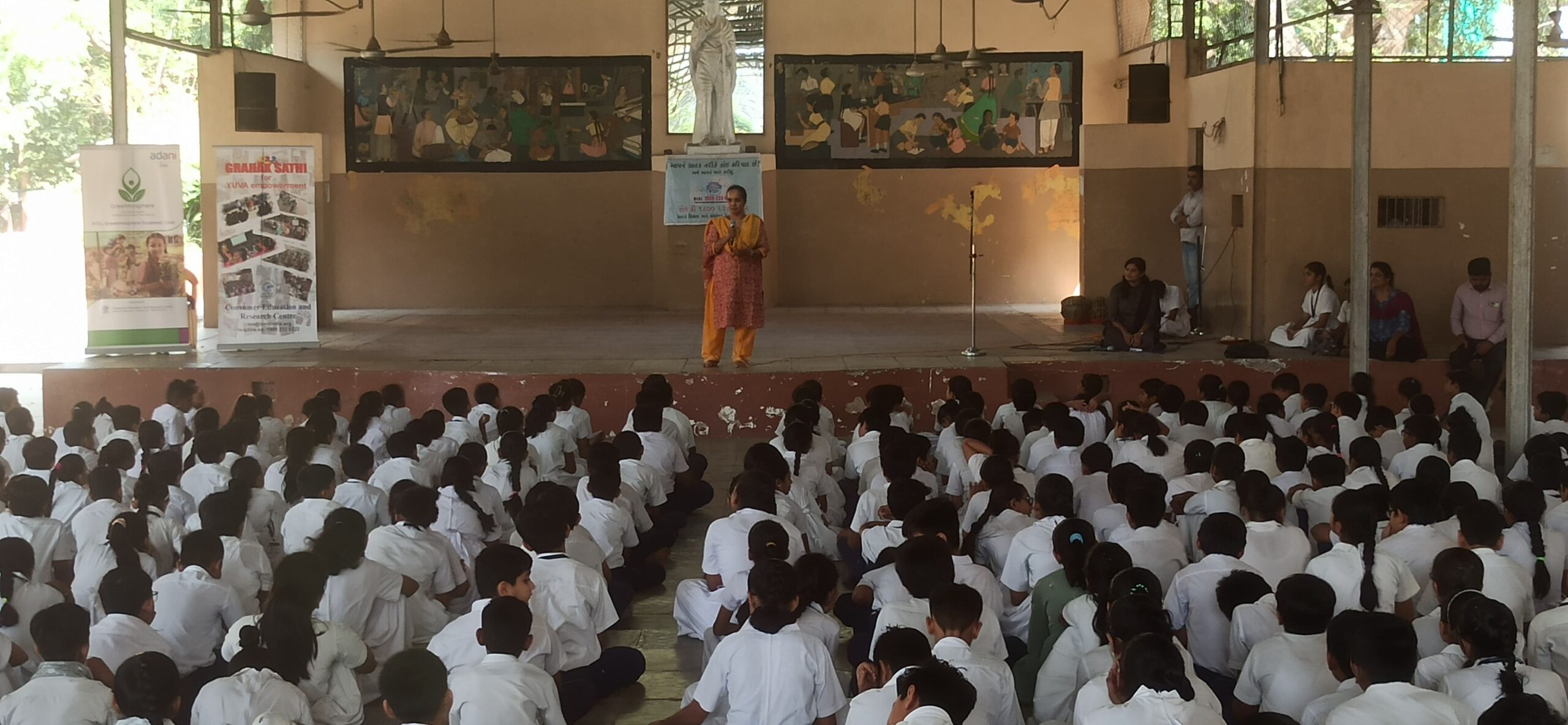
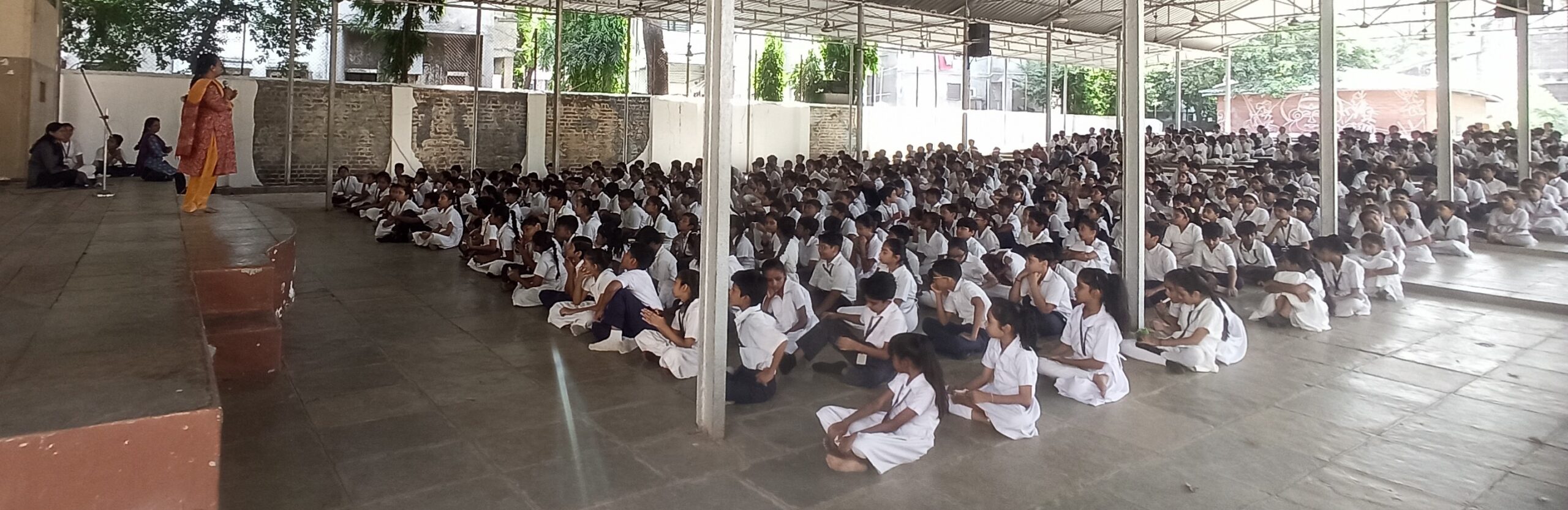
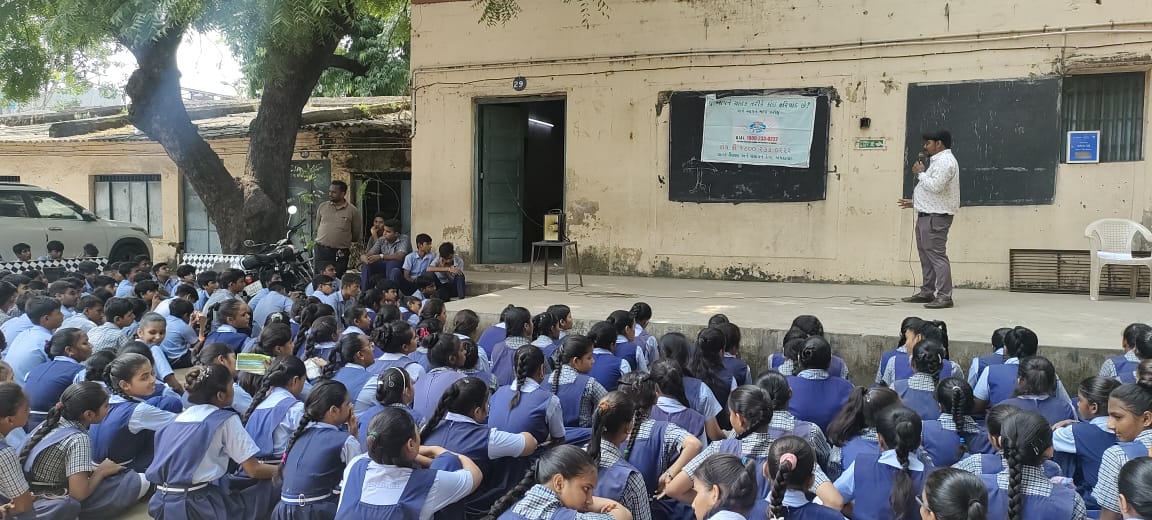
Greenmosphere for LiFE
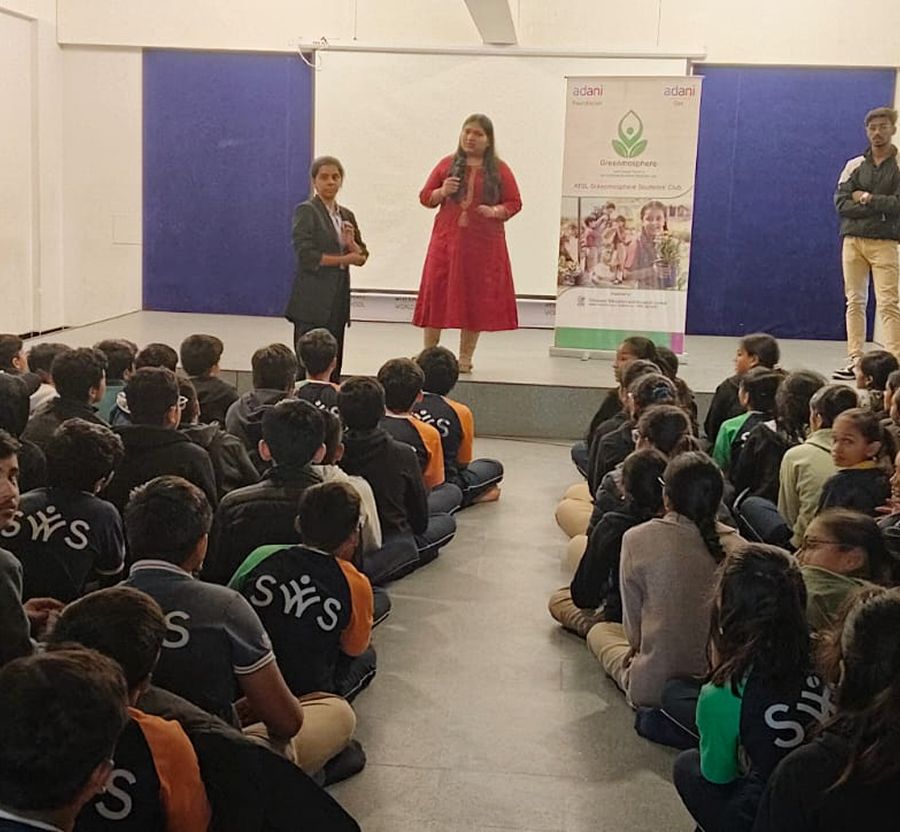
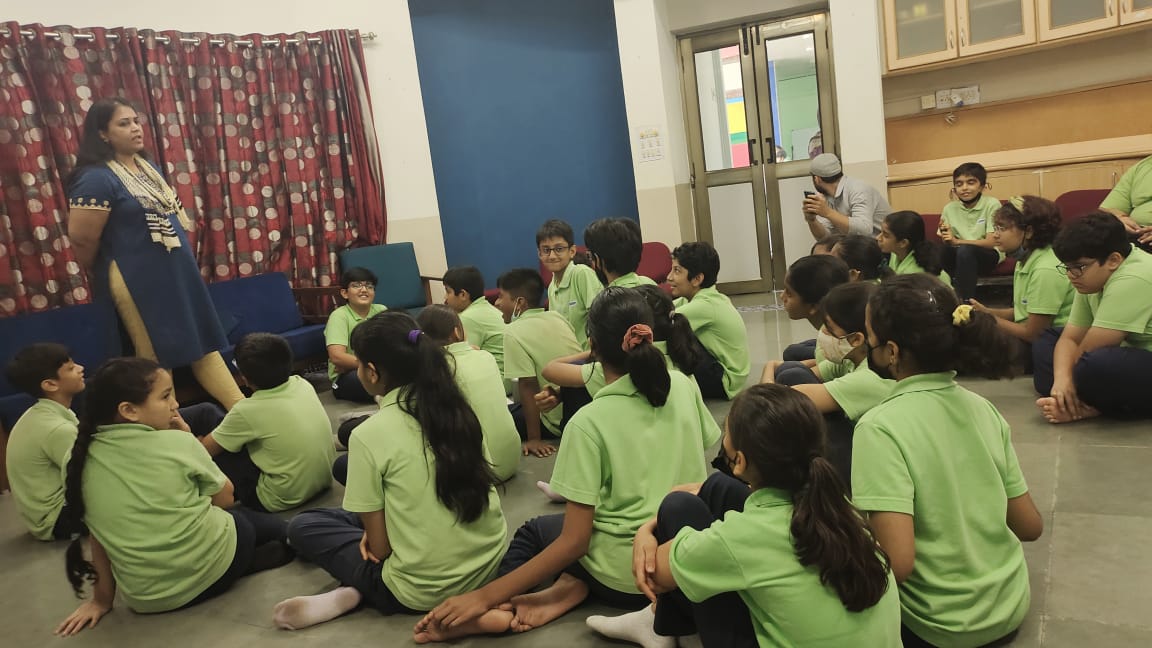
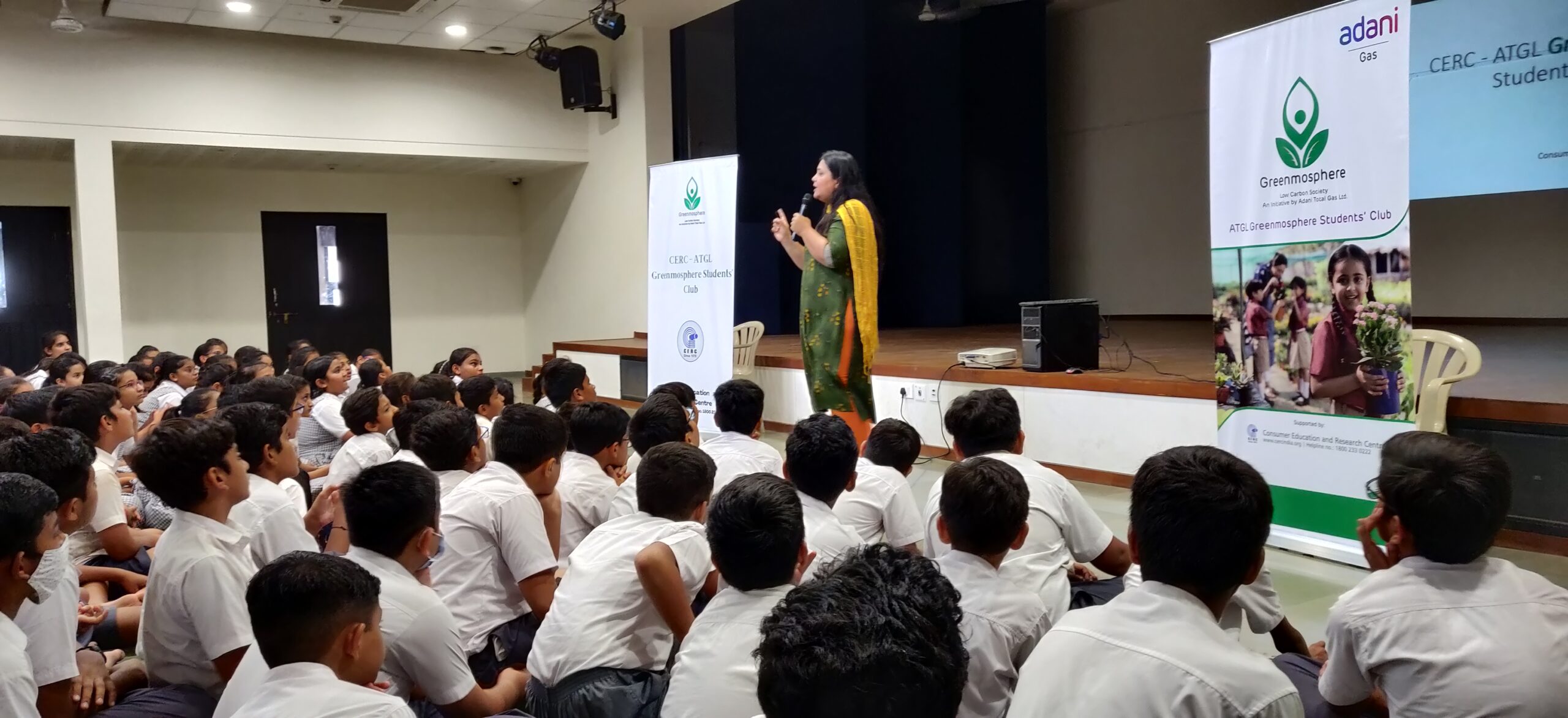
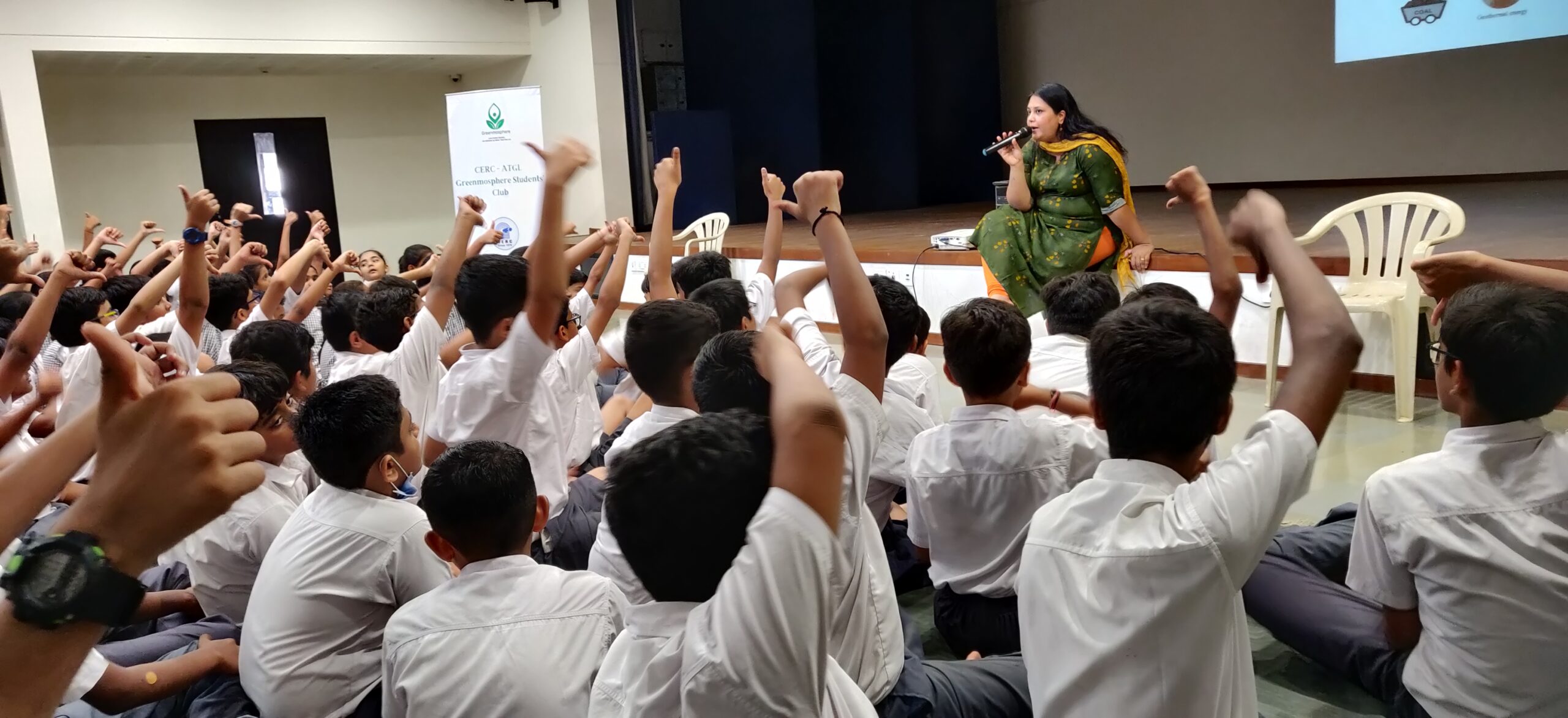
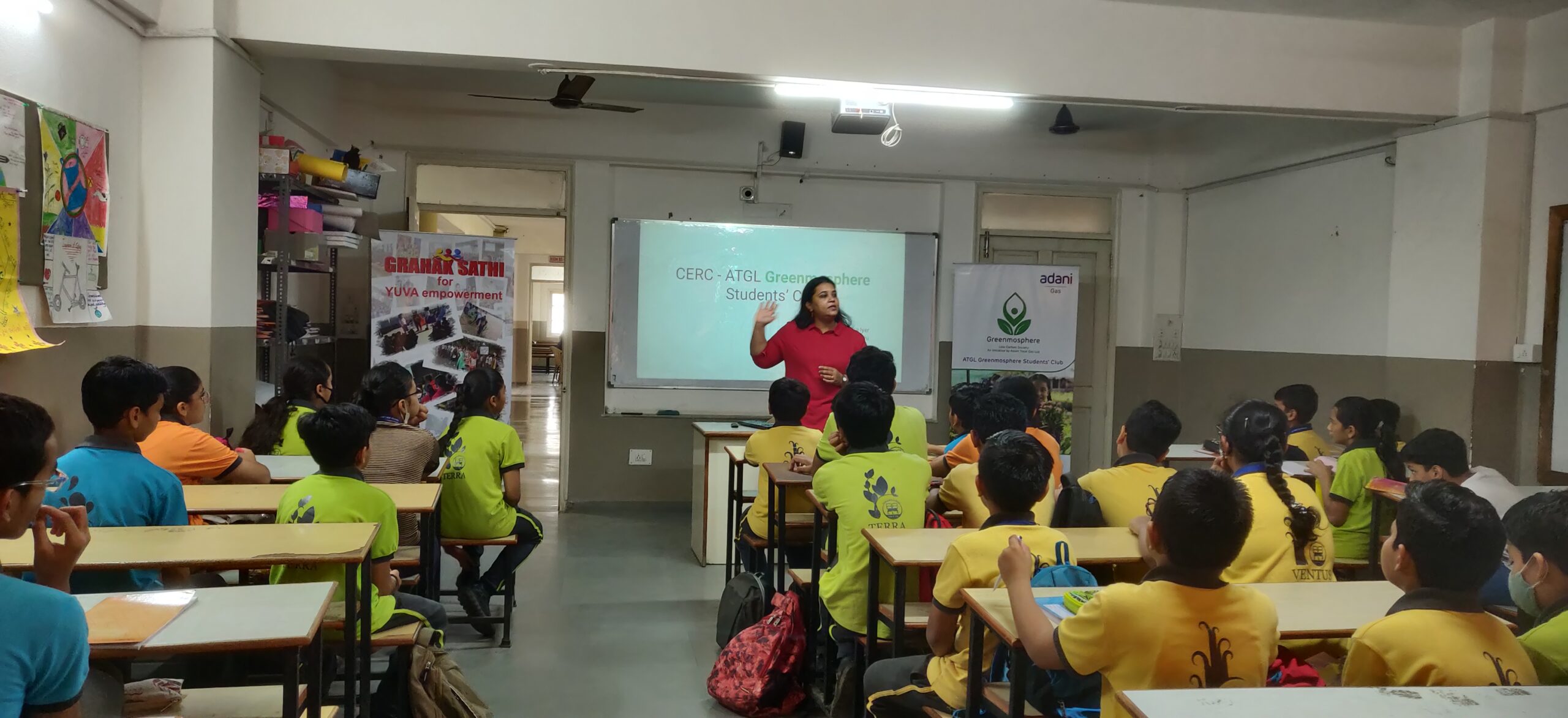
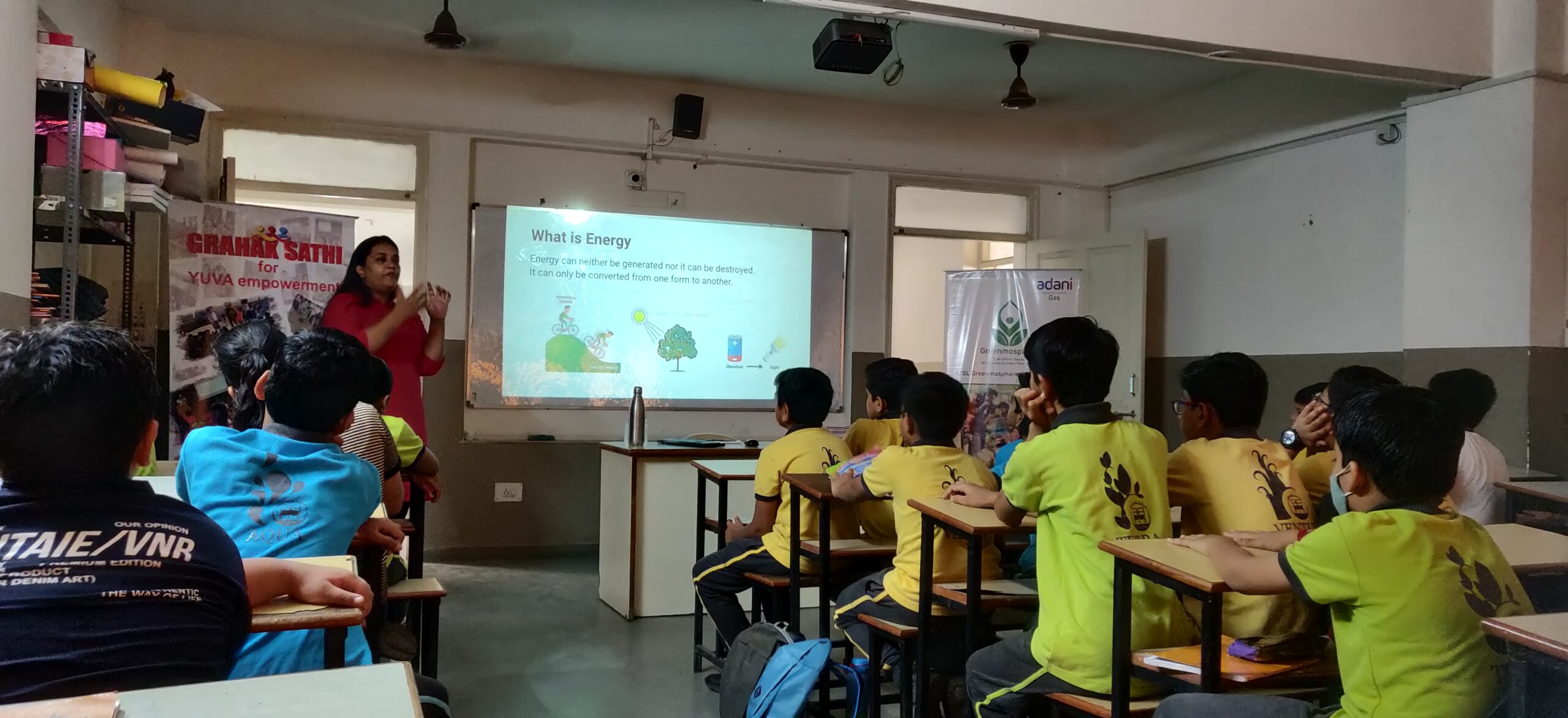
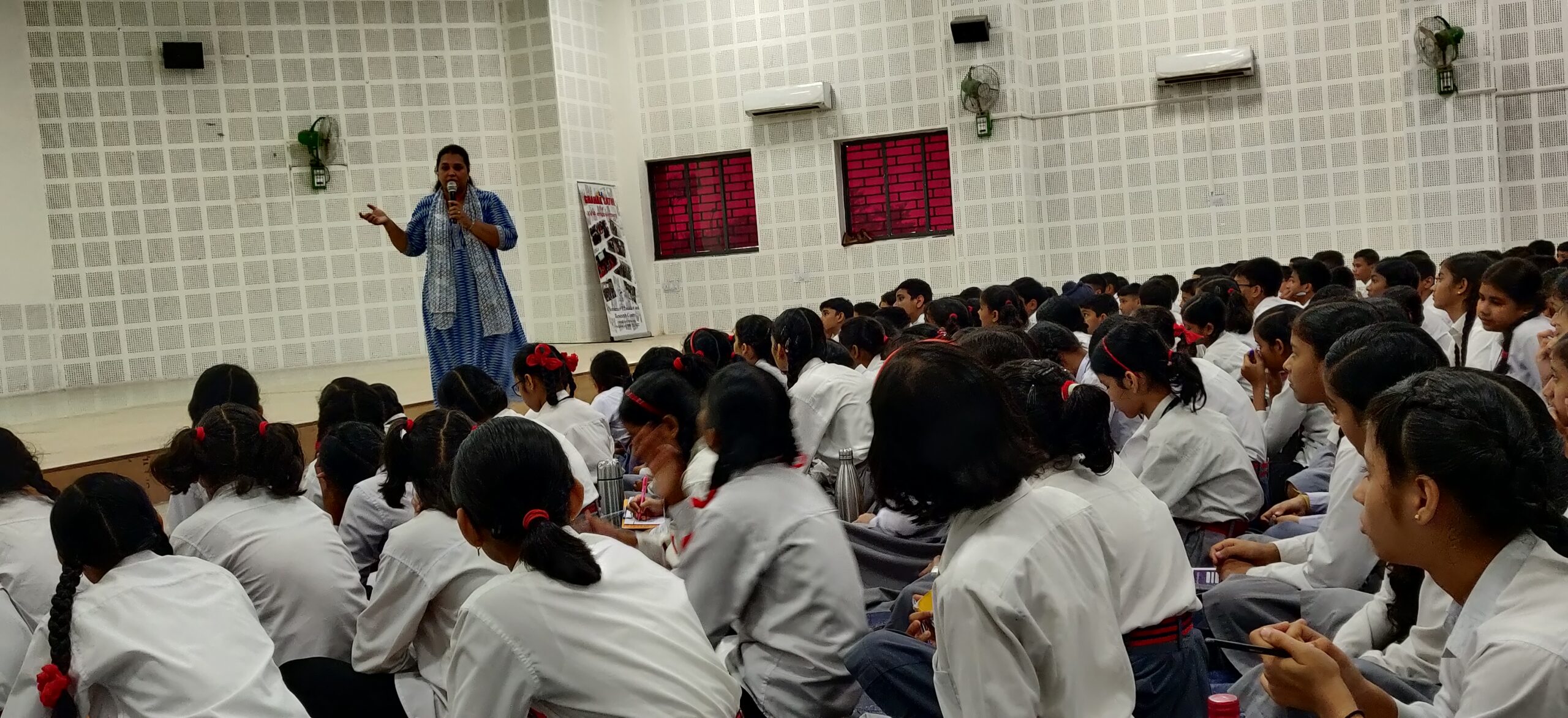
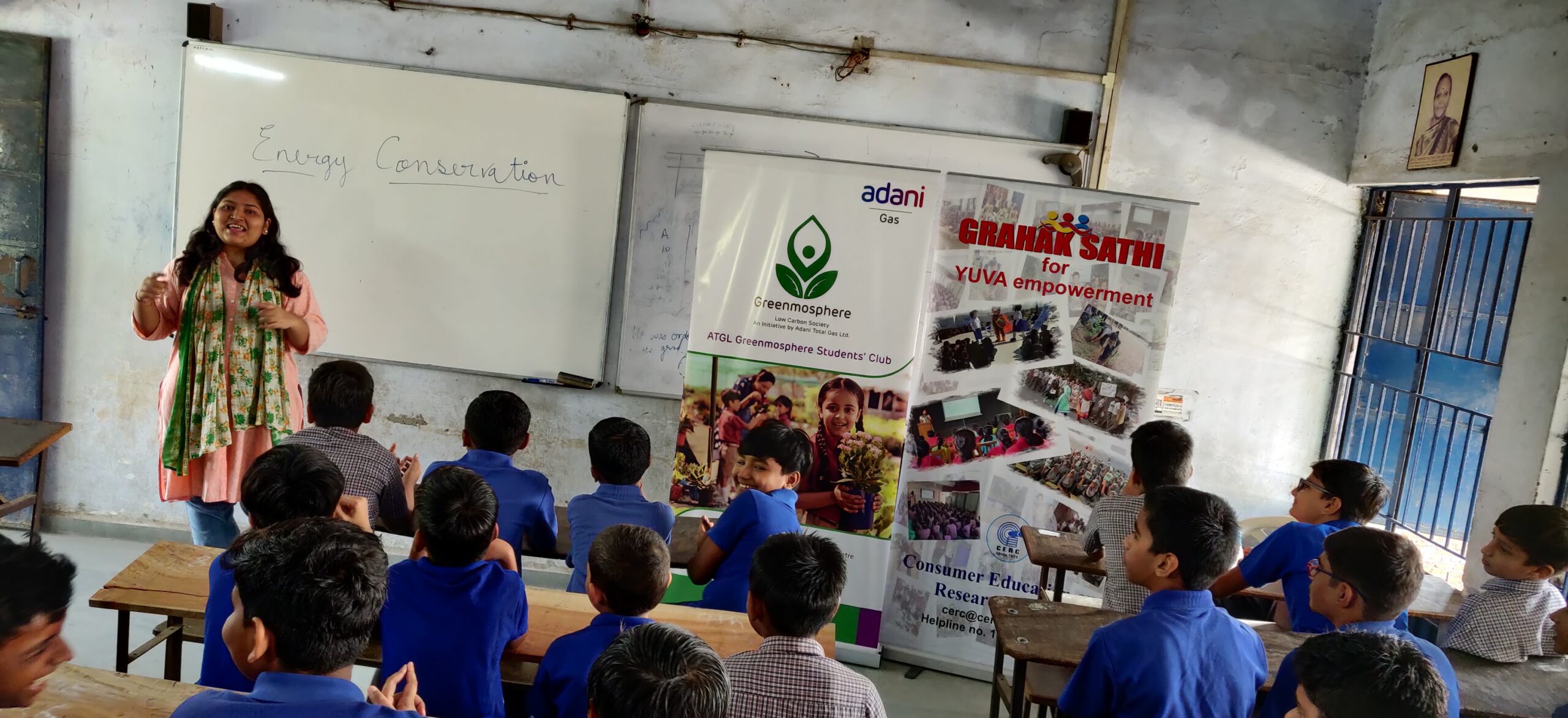
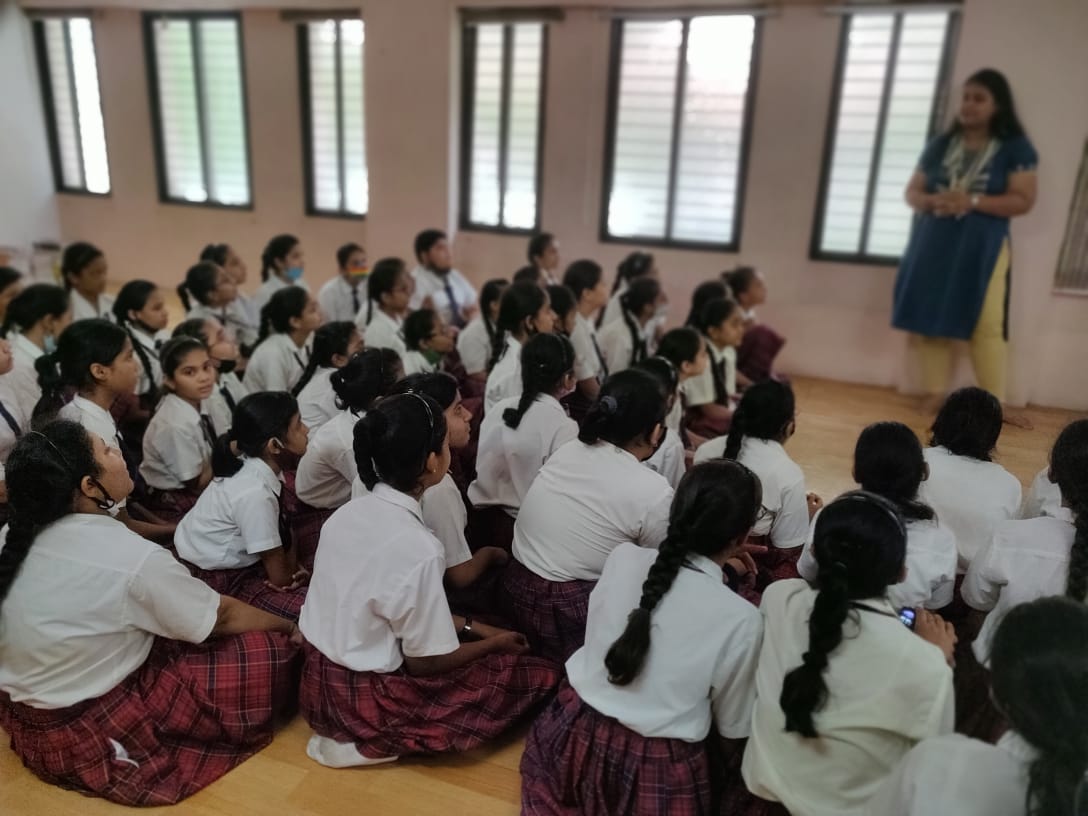
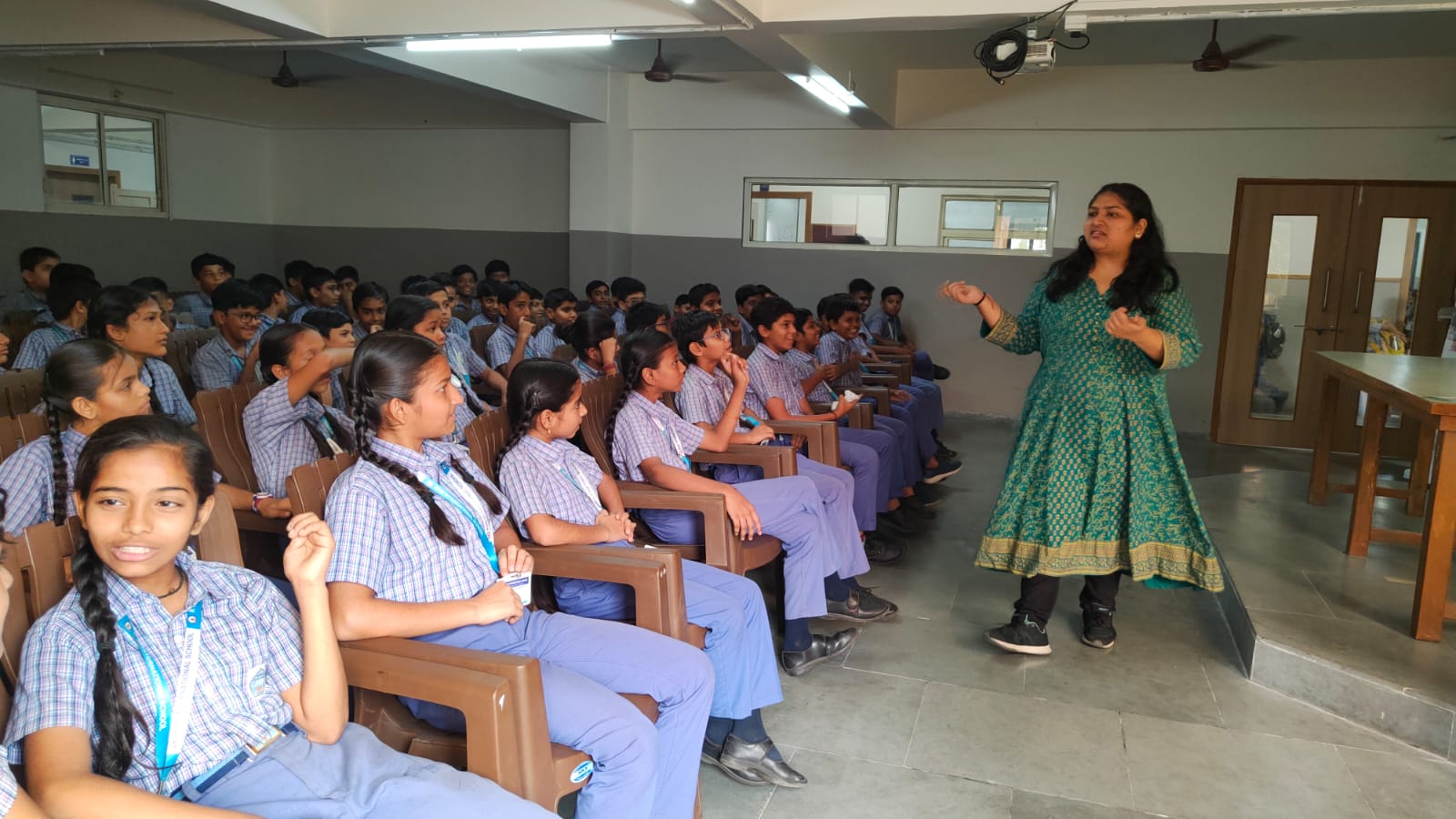
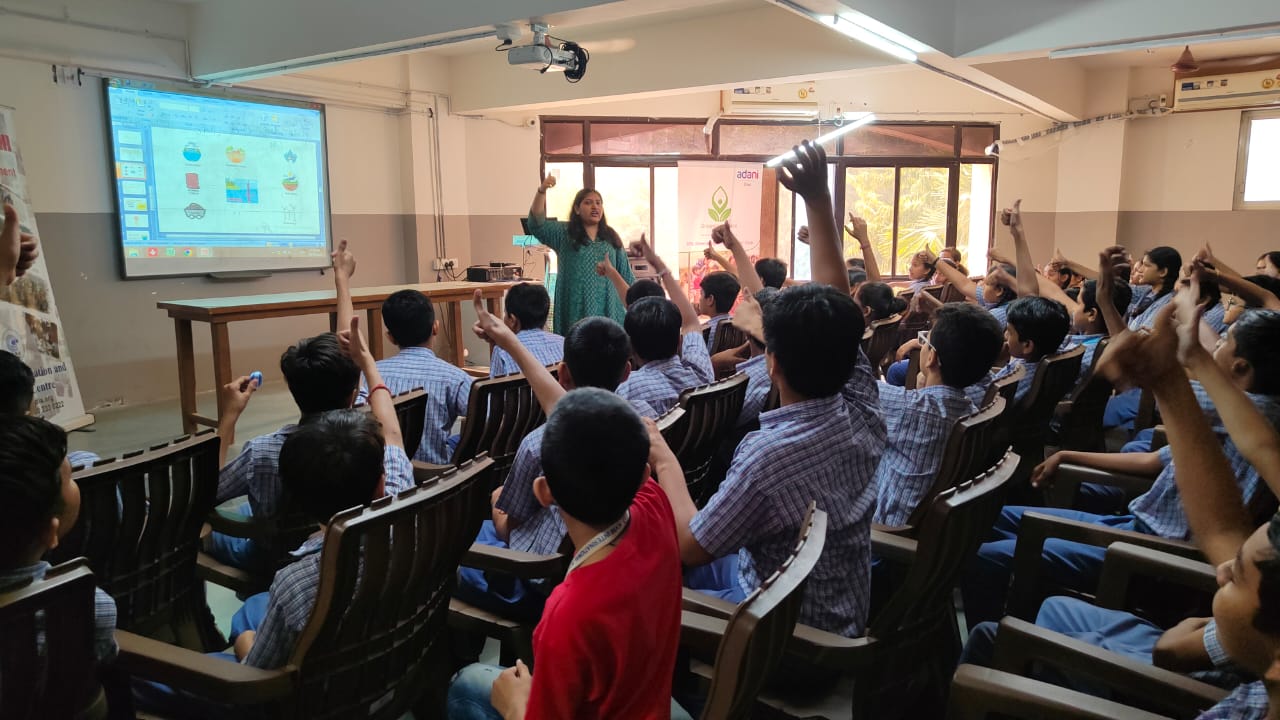
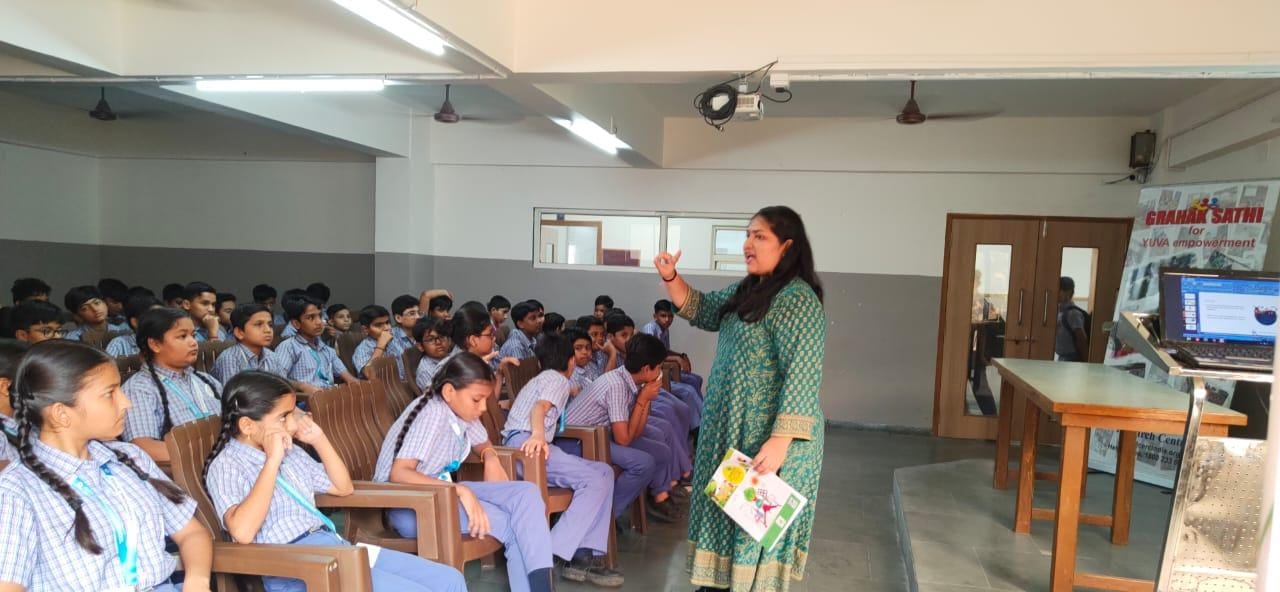
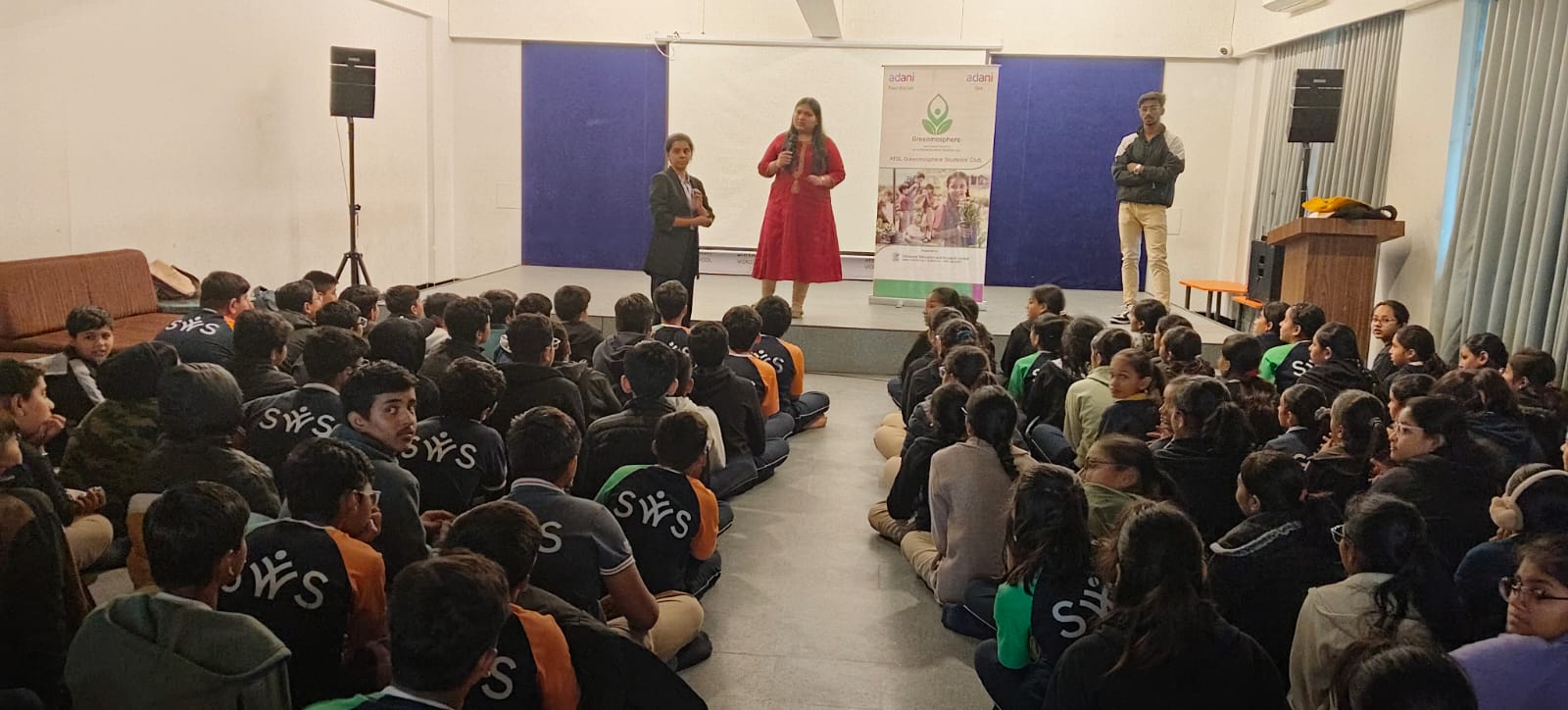
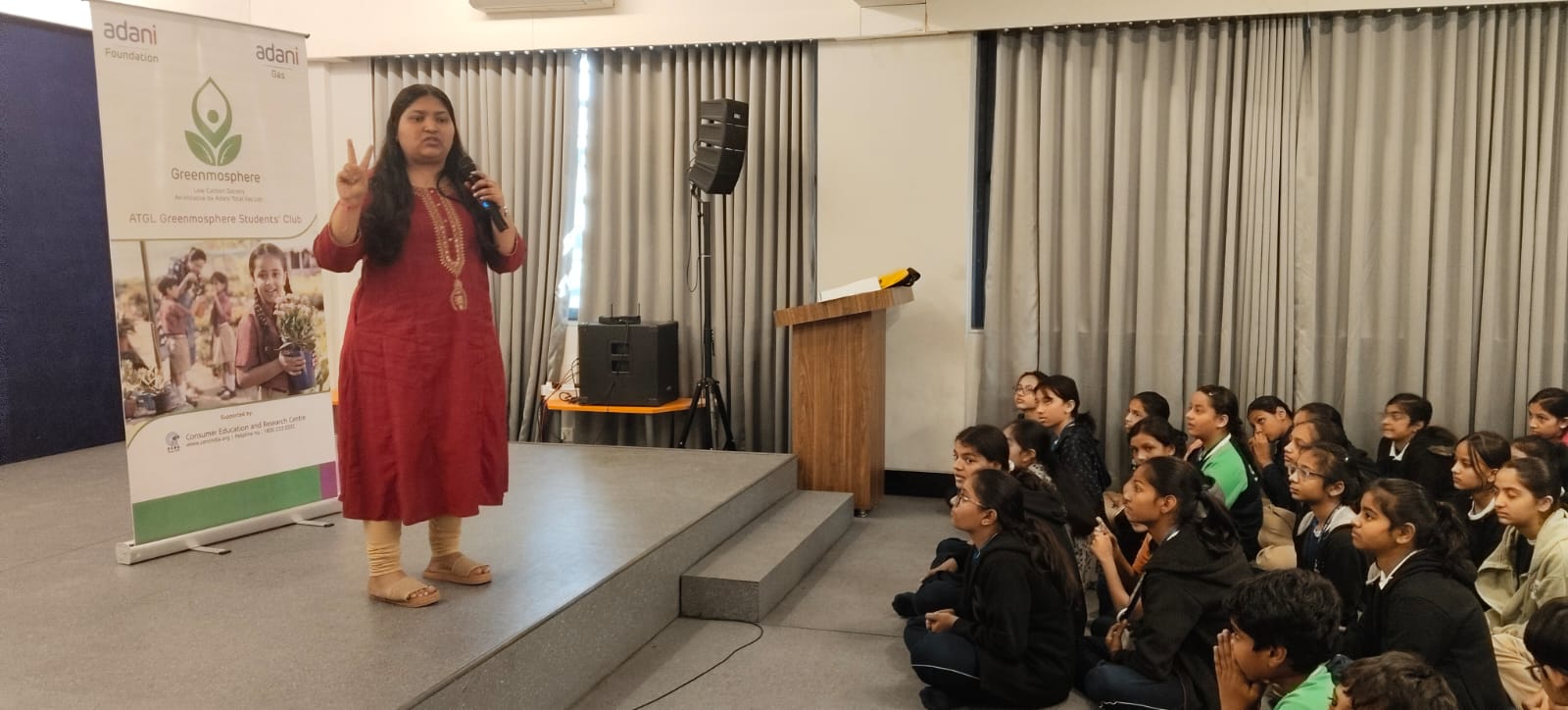
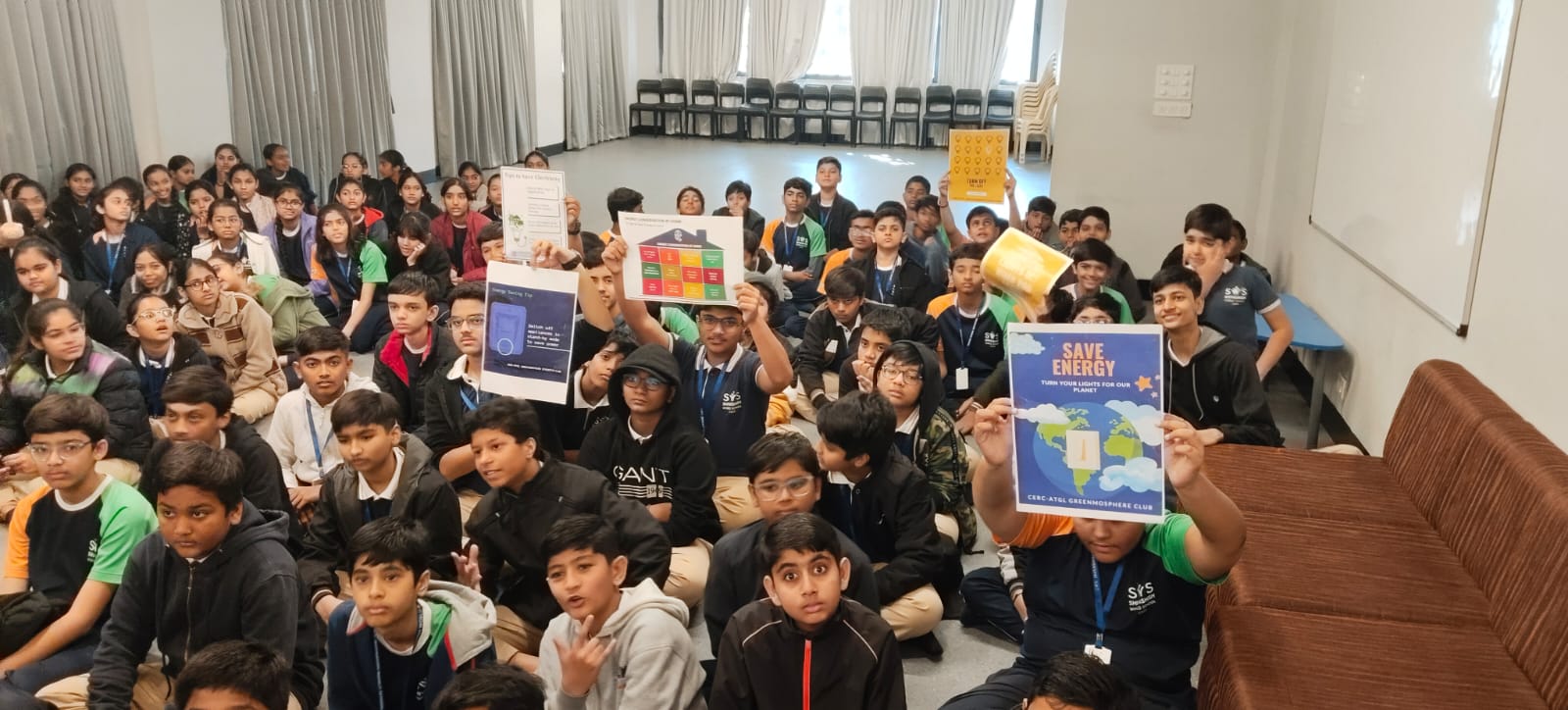
Launched in 2022, the Greenmosphere for Life Project is an educational initiative aimed at instilling energy-saving habits in school children. Through school-based programs and community outreach, it builds a network of “Conservation Ambassadors” who influence their families and communities. The project seeks to spark lifelong awareness of sustainable energy use, starting with early education. By adopting these habits early, the project supports long-term shifts toward energy efficiency at the household level and beyond.
Target Audience:
The primary audience includes schoolchildren, with a secondary impact on families, neighbours, and the wider public through community engagement activities.
We have engaged with over 70 schools in Ahmedabad, Surendranagar and Kheda.
Tools and Engagement Methods:
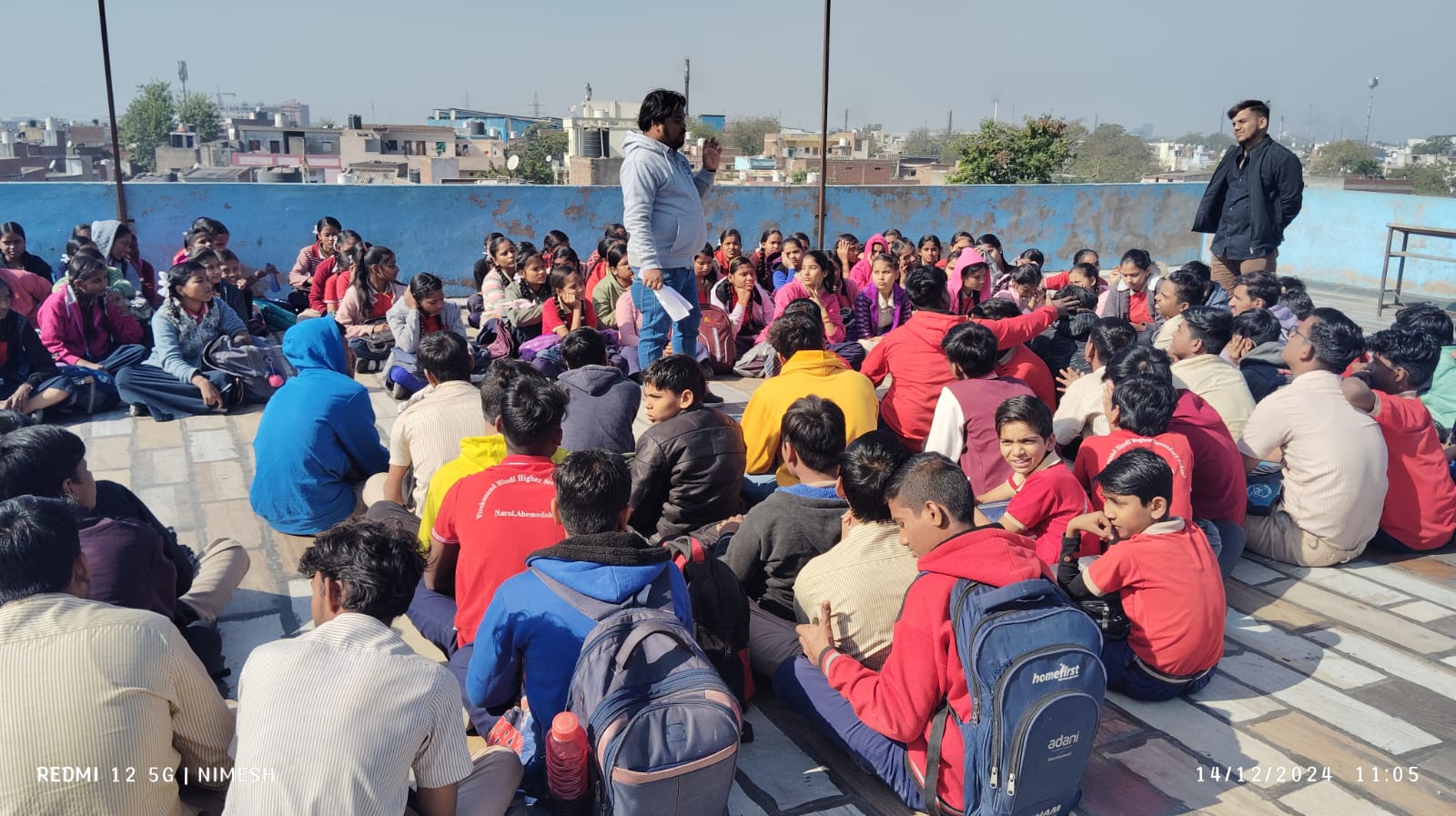
CERC delivers energy education through school programs, interactive competitions, and hands-on workshops. Students participate in home audits, track energy bills, and share lessons with their communities. Awareness campaigns amplify their efforts, extending the message to the broader public.
Impact:
The project has led to observable reductions in household energy consumption and increased awareness of energy efficiency practices. Participating children have become energy advocates in their homes, prompting behavioural shifts such as turning off unused appliances, switching to energy-efficient devices, and discussing energy topics at home.
Estimated Reach (as of 2025):
Over 27,000 students have directly participated, with an estimated indirect reach of more than 100,000 people, including family members and neighbours influenced by the students’ actions and awareness efforts.



Nutrition International Project
CERC, in association with Nutrition International, Canada, carried out a 3-year project to evaluate the implementation of the salt fortification program in Gujarat State. During the project period, CERC’s laboratories tested over 10,000 salt samples from all 33 districts of Gujarat, which were collected from the retail end, salt processors and social safety net programs. (Manufacturers, retailers, Anganwadi centres, mid-day meal schemes & factories.) The objective of the project was to address the limited knowledge amongst the retailers, wholesalers, processors & consumers on the need to consume adequately iodized salt and to sensitize the enforcement agencies and regulatory authorities to ensure compliance and availability.
After testing and report analysis, advocacy efforts were aggressively carried out with various government officials, both at the District & State, FDCA, and other regulatory authorities. for various advocacy issues that were identified. As many as 80+ advocacy meetings, including NTF (Nutrition Task Force) meetings, were held during this period. At the Centre, the USI program was discussed at various fora such as FSSAI, BIS and the Ministry of Consumer Affairs. CERC developed an advocacy strategy for districts with low iodization levels.
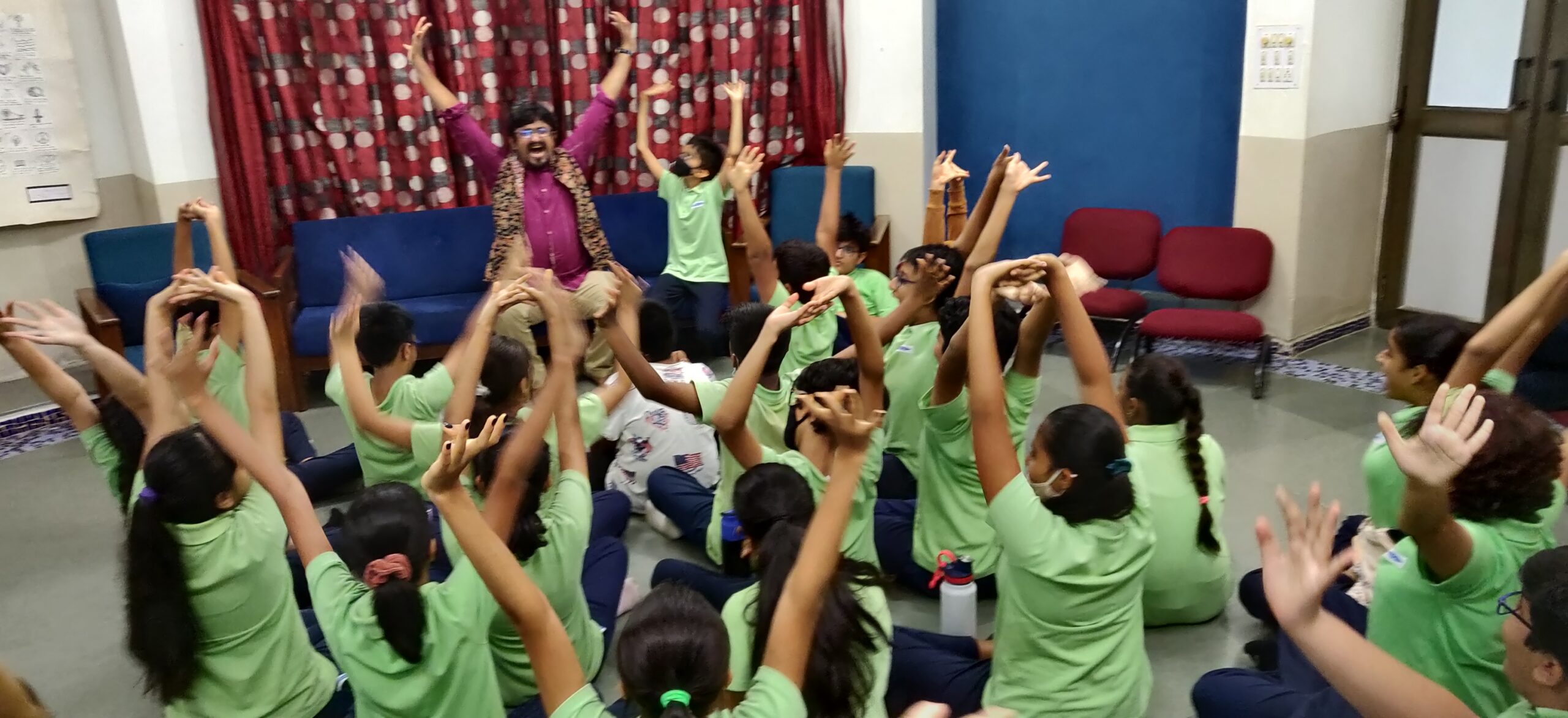
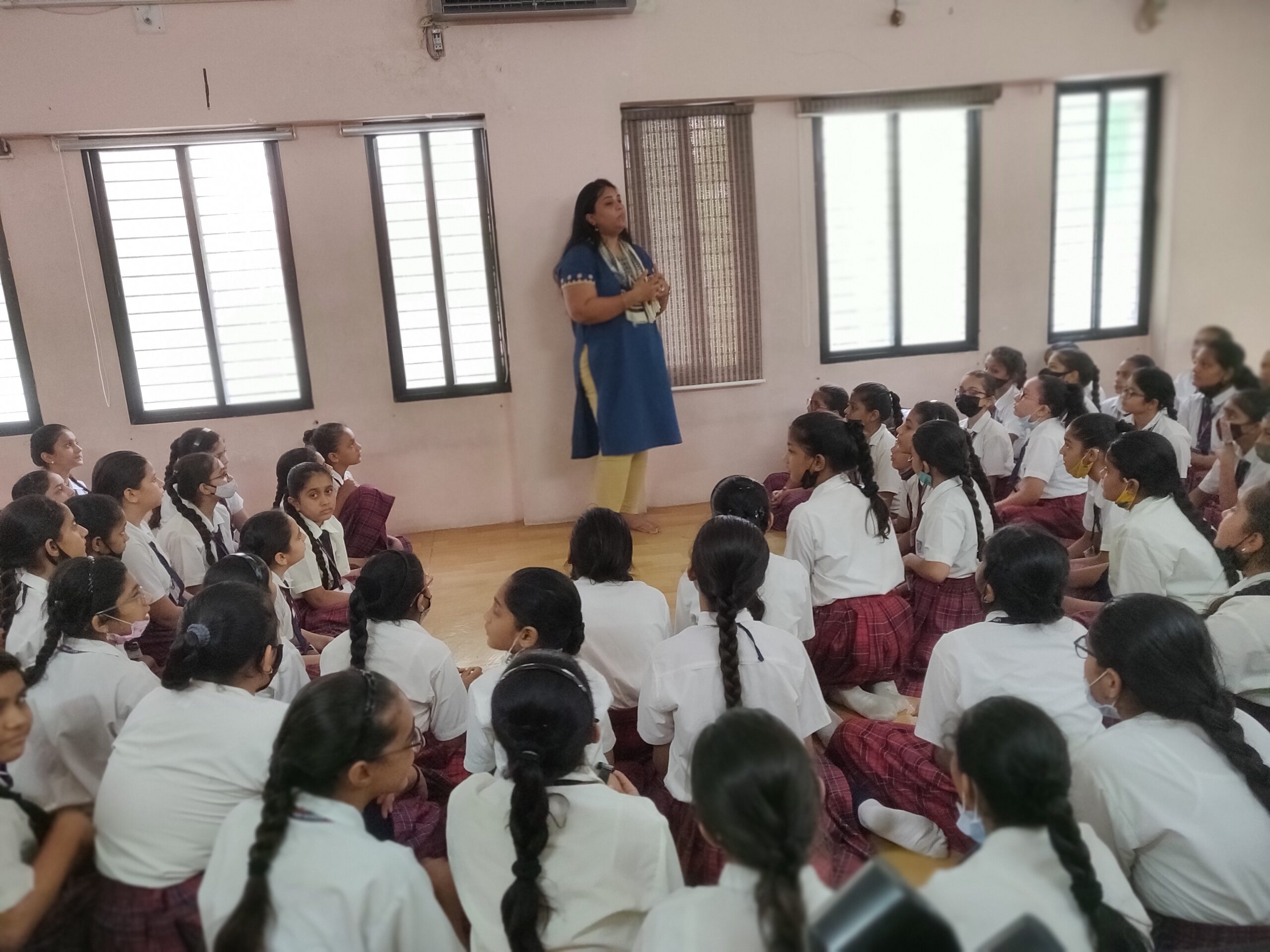
CERC conducted over 100+ sensitization programs. Webinars/ workshops for capacity building of district-level VCOs (33 VCOs across Gujarat) with the agenda to motivate some of them to have an increased level of district-level engagement with district officials as well as consumer clubs. Various awareness and outreach programs on salt iodization and its benefits were carried out in various districts in Gujarat for schools and communities.




IKEA Project
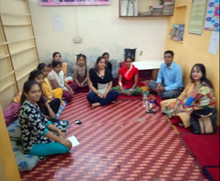
In 2017, Consumers International launched a 3-year project, carried out by four members in India, including Consumer Association of India (CAI), Consumer Education and Research Centre (CERC), Consumer Unity and Trust Society (CUTS), and Citizen Consumer and Civic Action Group (CAG). The Project ‘Giving the Poorest Consumers Greater Voice’, funded by the IKEA Foundation, sought to address key aspects of the SDGs by exploring a new scalable model to increase low-income consumers’ access to safe and sustainable products. CERC Laboratory was commissioned for testing of air and water samples from Gujarat, Rajasthan and Chennai. At the end of the project period a model was proposed which would facilitate low-income families to make informed purchasing choices, by educating them about their consumer rights in appropriate and appealing ways, identifying safe household products, and building the enabling environment for sustainable products by working with manufacturers, retailers and consumers, and also to sensitize government and regulators to ensure support was made available.




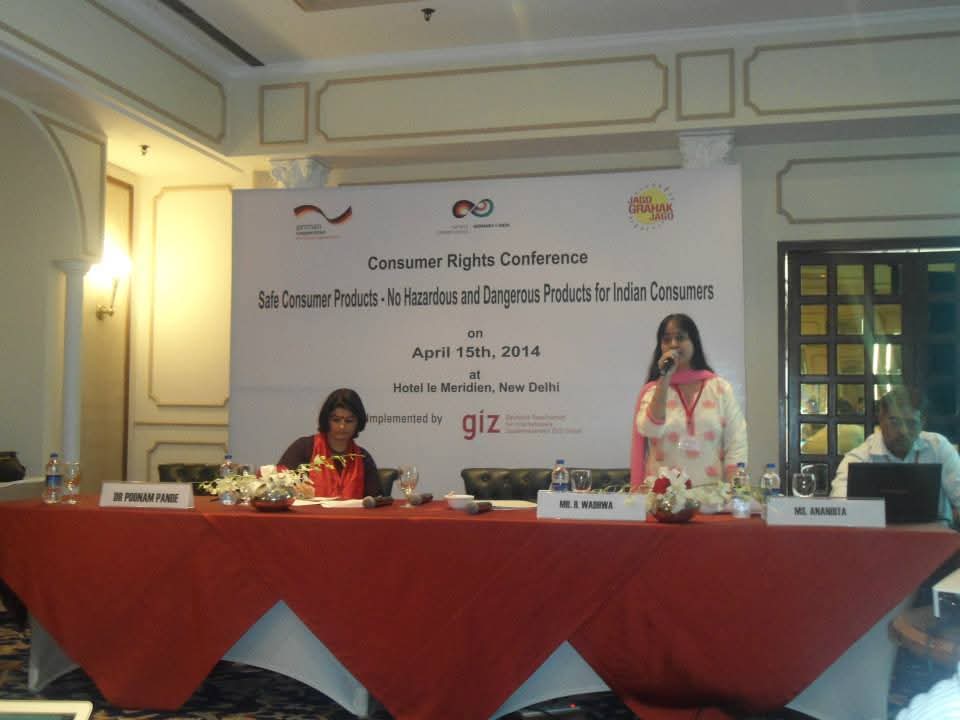
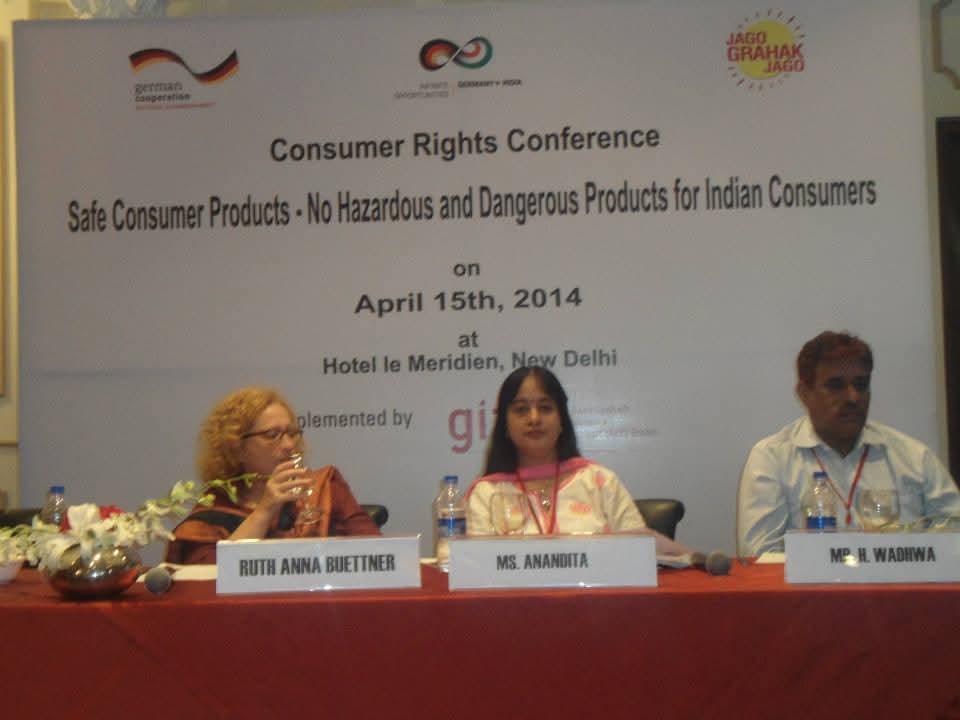
GIZ Product Safety Project
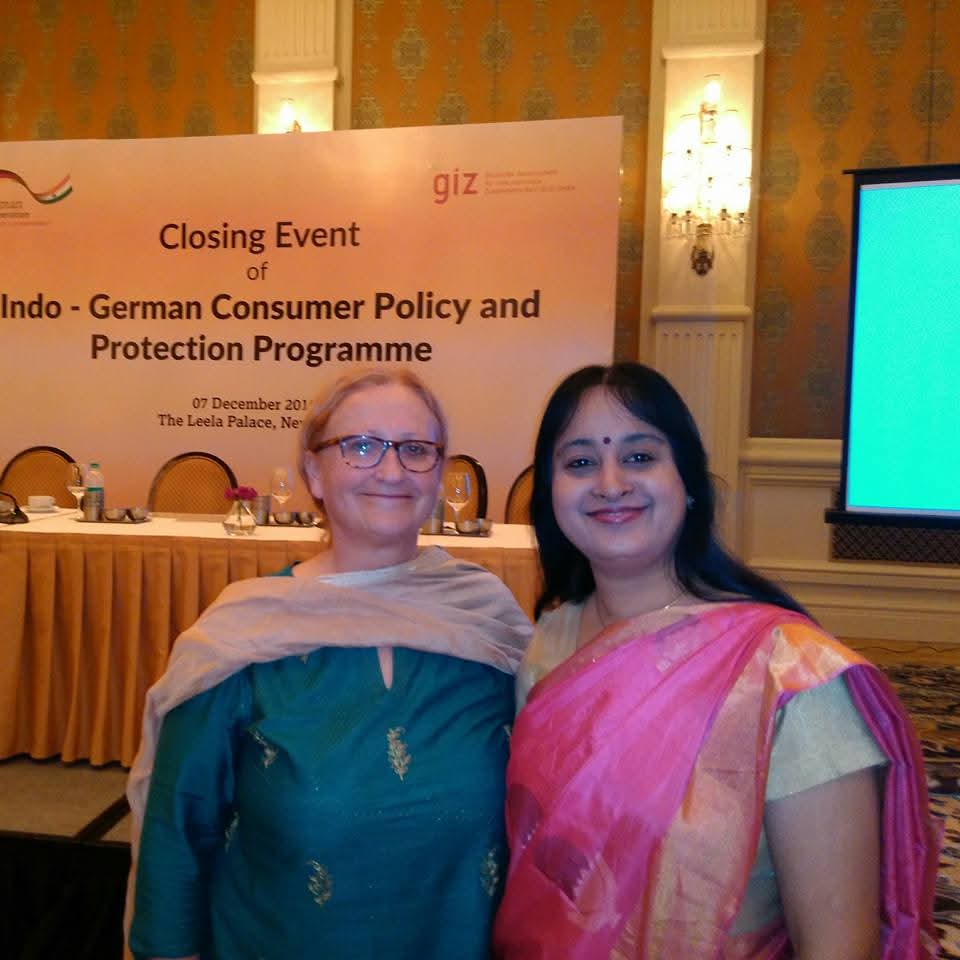
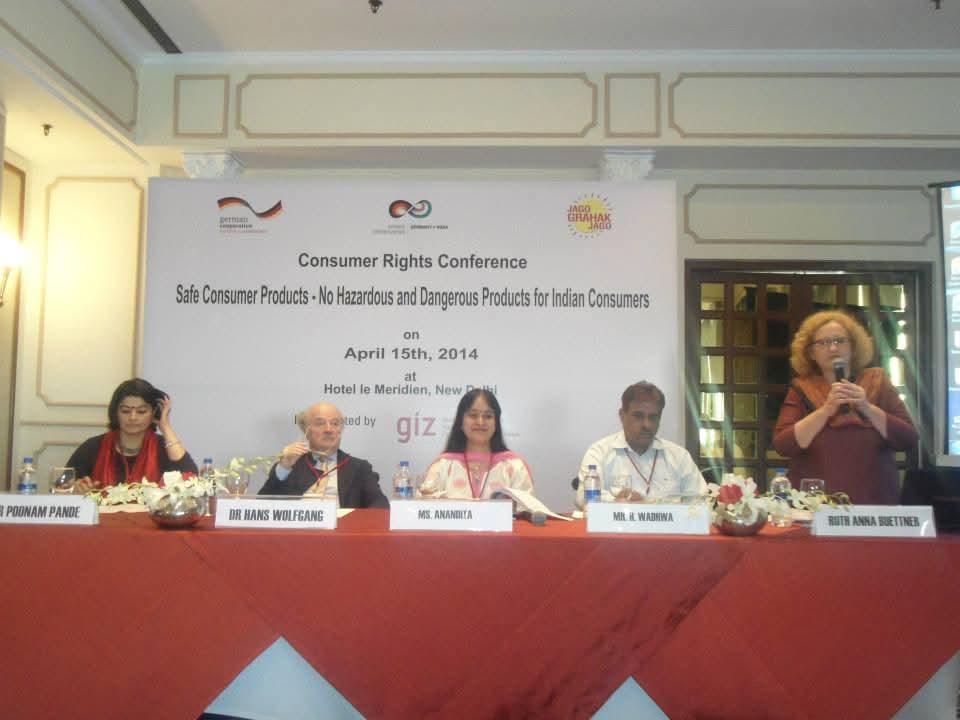
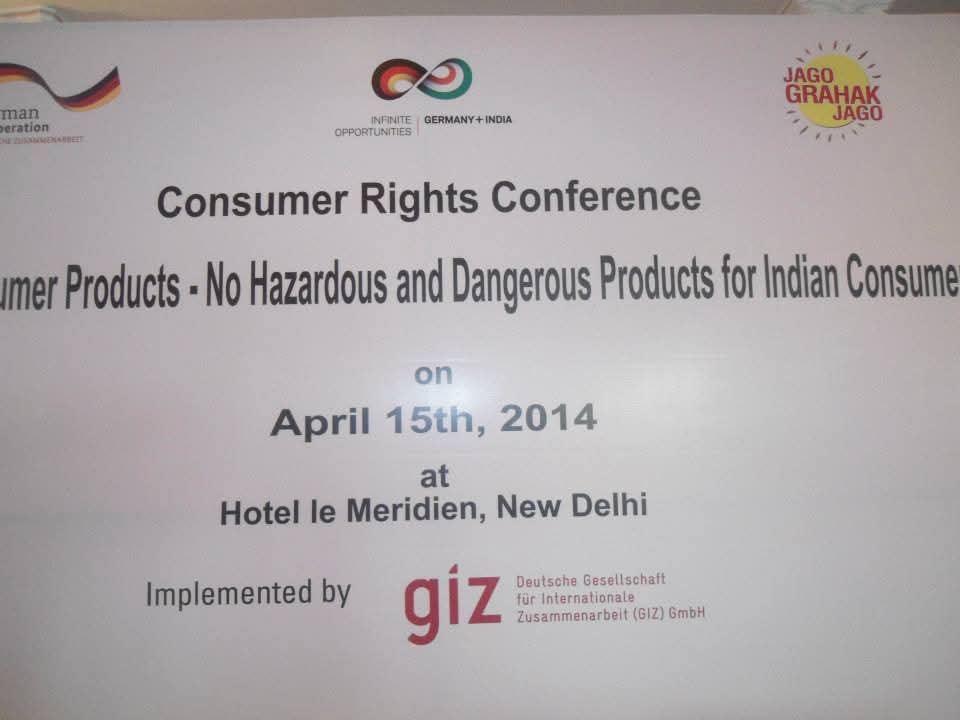
CERC was commissioned by GIZ to study the Regulations and Enforcement Practices regarding the Safety of consumer products in India. It conducted a national study on five products – toys, detergents, plastic packaging, paints, and cosmetics and came up with critical recommendations.
The scope of the study focused on the existing scenario of consumer product safety in India. The study included General Law, rules and regulations concerning consumer product safety, overall and sectoral regulations; the organisational structure of the enforcement mechanism; practical appliance of the enforcement system; product safety standards; rules and regulations for the various sectors under study role of Consumer organisations dealing with product safety; results of comparative product testing with regard to safety; case studies & critical analysis of the existing laws.
Key Issues
- India lags much behind other developed countries in respect of product safety regulations and procedures.
- There is no centralised authority dealing with the product safety of goods in general. Enforcement of sectoral regulations also leaves much to be desired.
- There is no institutional mechanism or desire from the Government to make more safety standards mandatory or to penalise manufacturers bringing out unsafe products ( There is a glaring example of Phthalates. The BIS has formulated standards for Phthalates under an order from the Bombay High Court. The Bombay High Court has passed an order upon the Central Government to make Phthalate Standards compulsory. Still, the Central Government has not found it expedient to make Phthalates standards mandatory in blatant violation of the High Court order.)
- Even the substances that are universally accepted as harmful universally are not banned or regulated in India. For example, lead in paint has been regulated for decades in Europe and the U.S., but not in India.
- The number of products regulated under mandatory standards is very insignificant, and many more products need to be brought under mandatory certification requirements from a safety angle for consumers. Though BIS has formulated standards for about 19000 items, mandatory certification applies only to fewer than 100 items (excluding food, cosmetics & drugs).
- Also, in the absence of heavy penalties, the manufacturers may tend to save by compromising the safety of consumers and may elect to pay penalties that are not very heavy or exemplary.
- Even where there are mandatory standards, the violators do not face stringent actions (with the exception in the field of Drugs & Cosmetics and Food).
- No statutory recall procedures or mandatory reporting obligations are in place under the Bureau of Standards Act. There are a number of instances of recall of various unsafe products ordered by the CPSC in the US and also in other developed countries.
- There is no mechanism for the exchange of information on unsafe products amongst consumers, manufacturers, consumer courts, the Bureau of Indian Standards, the Food & Drugs authorities, and the Food Safety Authority.
- Certain ingredients of Food, Drugs, Chemicals, or detergents can cause allergic to some which can be mild to severe. In case of drugs and chemicals, it is necessary and prevalent to declare allergens on the label; the law does not mandate such a requirement in case of food or detergent, though some good food manufacturers have started declaring allergens.
- In Paints, two major safety concerns that have been identified are solvents in paints and lead.
- While the U.S. and other developed countries instituted measures to limit the use of lead in paints, some developing countries, including India, have failed to regulate their lead content. Recent action by the U.S. Congress in 2008 requires that the standard be lowered to 90 ppm in one year (Best, 2007; U.S. Consumer Product Safety Improvement Act, 2008).
- The existing Indian standard does not mandate that paint manufacturers subscribe to the standards before marketing their products. This is possibly the reason why we still find high lead concentration in Indian paints.
- Safety concerns in detergents are due to the presence of anionic surfactants. Optical brighteners can cause allergic reactions when in contact with skin, and also cause eye and lung irritation. In the EU, according to the Detergents Regulation, names of allergenic fragrances must be included on the label. Further, enzymes, disinfectants, optical brighteners, perfumes, and preservation agents must be stated. The detergent industry refuses to take any action due to a lack of mandatory legislation in India.
- The main safety concern of food packaging materials is the possible migration of hazardous substances from the actual packaging materials into the different types of food contained within. Studies in India regarding the use of plastics and their effects have shown that there are various chemicals disseminated from plastic bags. The BIS standard does not provide guidance on the actual design of the food packaging system or cover the shelf-life requirements for various food products.
- There are various harmful chemicals present in cosmetics, of which heavy metals, formaldehyde and toluene, parabens, diethyl phthalate (DEP), etc., are of great concern. Several comparative test findings have shown the presence of heavy metals and PPD in hair dyes, lead in lipsticks, parabens in shampoo, etc. Different nations consider colourants as ingredients of cosmetic products. But no such provision exists in Indian legislation. Most of the cosmetic manufacturers do not mention the colour on their products because they are added in less than 1% concentration. The term “ingredient” for cosmetic products is not defined under the Drugs and Cosmetics Act.
Recommendations
Need for Specific Law Dealing with Product Safety with the following provisions
- Creation of an independent statutory body that can announce mandatory standards on its own without government intervention.
- The law should provide a time frame in which all safety-related aspects of products should be covered under mandatory certification.
- The law should also provide constant updates of mandatory standards
- Provision of periodical sampling of certified products and their testing by an independent laboratory.
- Provision for wide publicity about the failure of certified products when the failure affects safety.
- Seizure and ban on the sale of unsafe products failing the mandatory standards.
- Mandatory recall of failed products with provision for adequately compensating the affected consumer.
- Exemplary penalty provision for unsafe products, commensurate with the net sales of the products.
- A statutory body can sue the manufacturer on behalf of consumers for compensation for damages in respect of an unsafe product.
- Conscious consideration of international standards and reasoned decision (in public domain) when substances that are internationally accepted as harmful are permitted in India.
- Require all manufacturers to declare all allergens, warnings, and safety requirements on the label of the products. For example, declarations about skin irritants, ‘contains small parts’ (toys), ‘do not use to store hot food,’ etc.
- Claims such as “hypoallergenic”, “phthalate free”, and “lead free” should not be permitted unless substantiated by lab results or human studies and should be permitted on a case-by-case basis.
- Labels have to be closely watched by the authority, and the label declaration should be an integral part of the standards for the product.
- The law should provide that the distributor channel (which includes suppliers, exporters, importers, retailers, and the like) should also be responsible for the safety of products.
- Appropriate policies should ensure that if manufacturers or distributors become aware of unforeseen hazards after products are placed on the market, they should notify the relevant authorities and, as appropriate, the public without delay.
Specific Recommendations for 5 products under study:
Toys
- All BIS standards should be made mandatory
- Standards should apply to domestic and imported toys.
- The BIS limits for phthalates in toys are only for individual phthalates. Products may contain a combination of phthalates; hence, composite limits should also be provided.
- All toys should be free of heavy metals.
- Labelling of toys:
- Age labeling of toys should be mandatory.
- A label that carries the label, “phthalate free,” should be governed by set rules.
- Warnings like “contains small parts” etc, should be made compulsory.
Plastics as storage and food containers.
- Studies should be undertaken to identify the presence of toxic chemicals in Indian plastic products used for food.
- BPA should immediately be banned for use in products like baby bottles.
- It is crucial to create awareness among consumers so that they do not misuse packaging materials in an unintended or unanticipated manner, as this may result in greater amounts of chemical migration.
Cosmetics
- The term “ingredient” for cosmetic products should be defined under the Drugs and Cosmetics Act.
- There should be harmony in the nomenclature of colouring agents of cosmetics.
- All types of herbal hair dyes should be free from PPD (colourant).
- Heavy metals, if any are present in cosmetics, should be mandatorily listed.
Paints
- Standards for pain should be made mandatory, and paints used on products for children should be made lead-free immediately. E.g.. School buses, toys, swings, slides, classroom walls, etc.
- Paints should carry detailed information on ingredients/contents.
Detergents
- Standards for detergents should be made mandatory, and labeling information should include
- Details about ingredients/contents.
- Details about any potential allergens in the product.
- Where relevant, the pack should carry warnings like “can be skin irritants”, “avoid prolonged contact”, “rinse garments and hands thoroughly.”
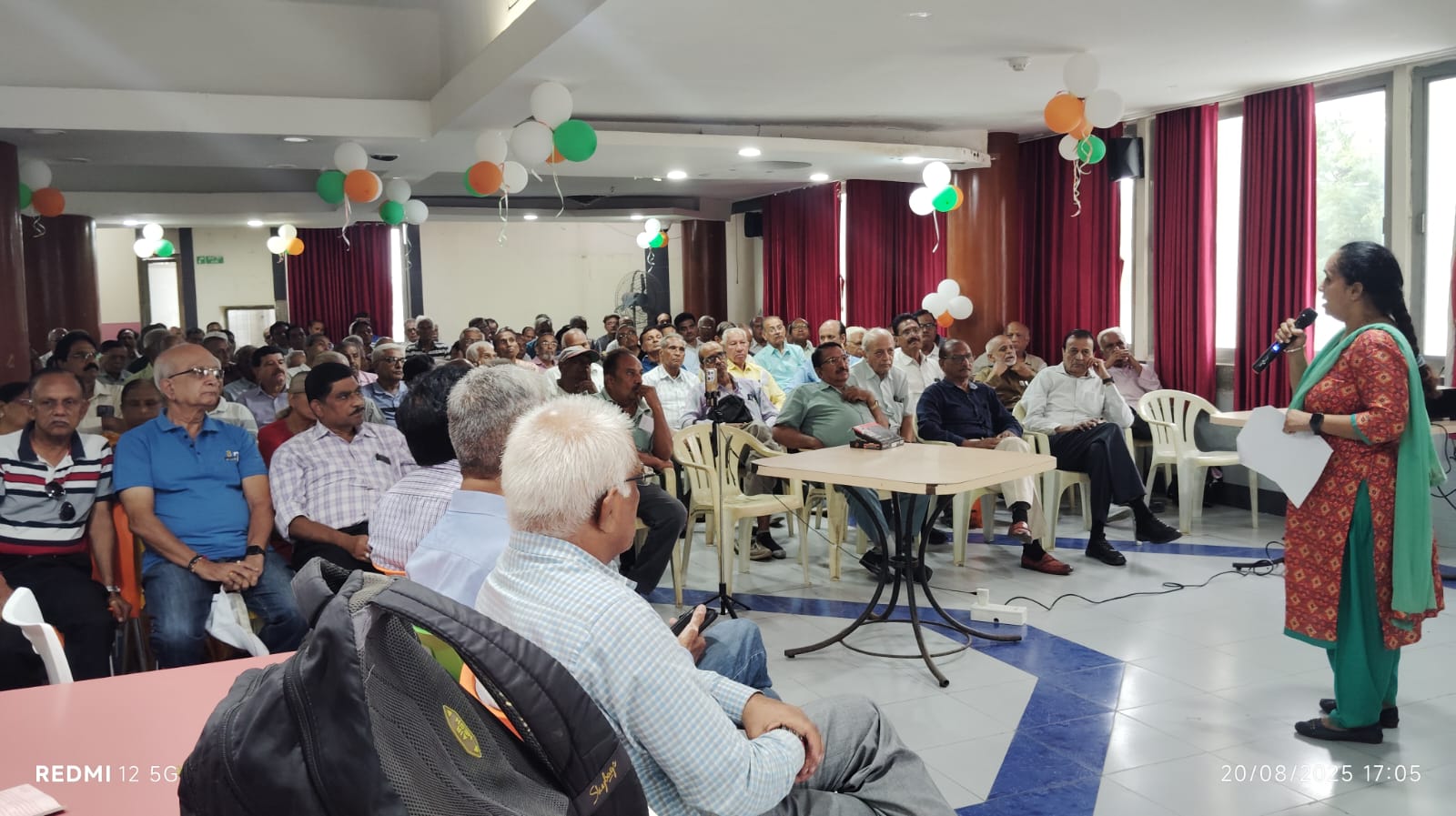
Consumer Outreach Programme
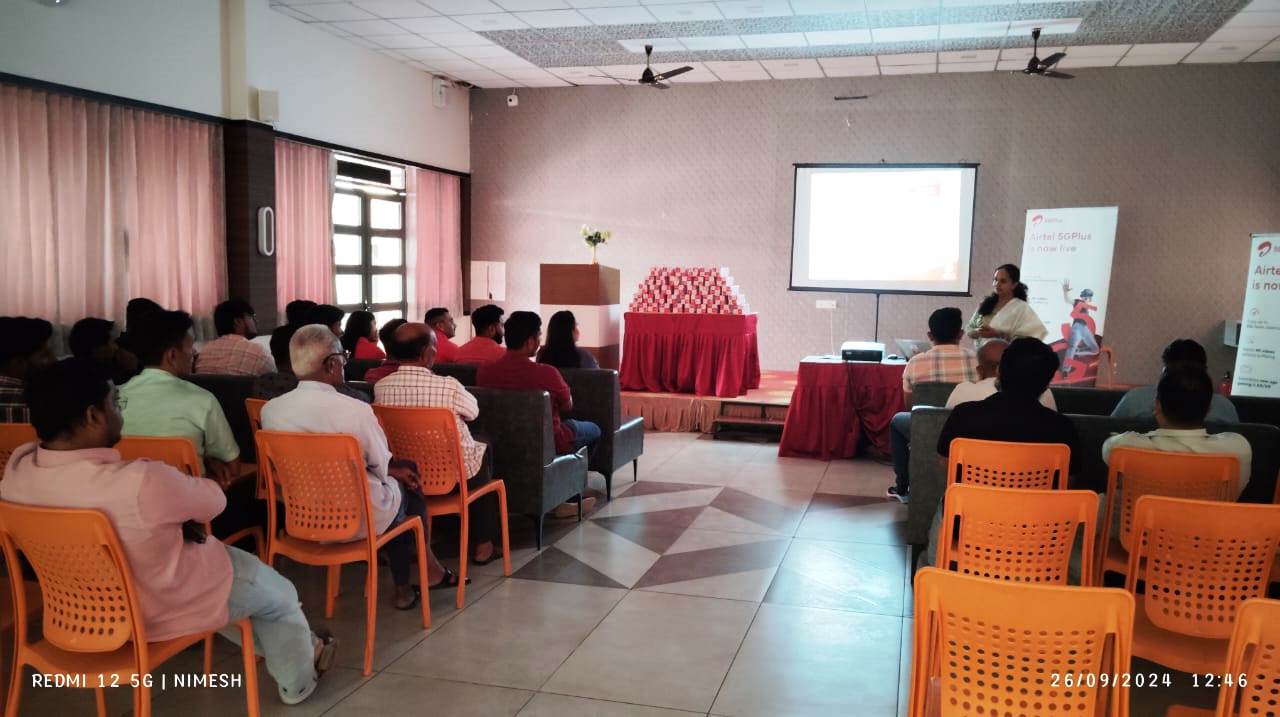
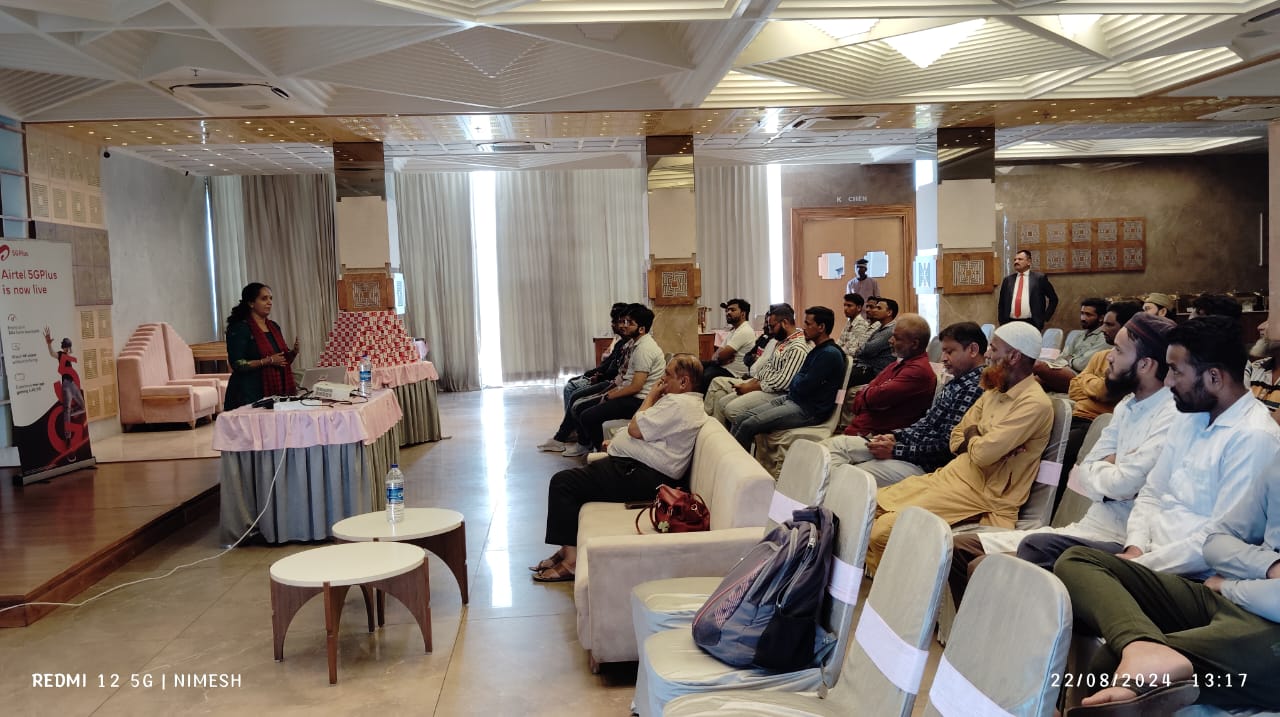
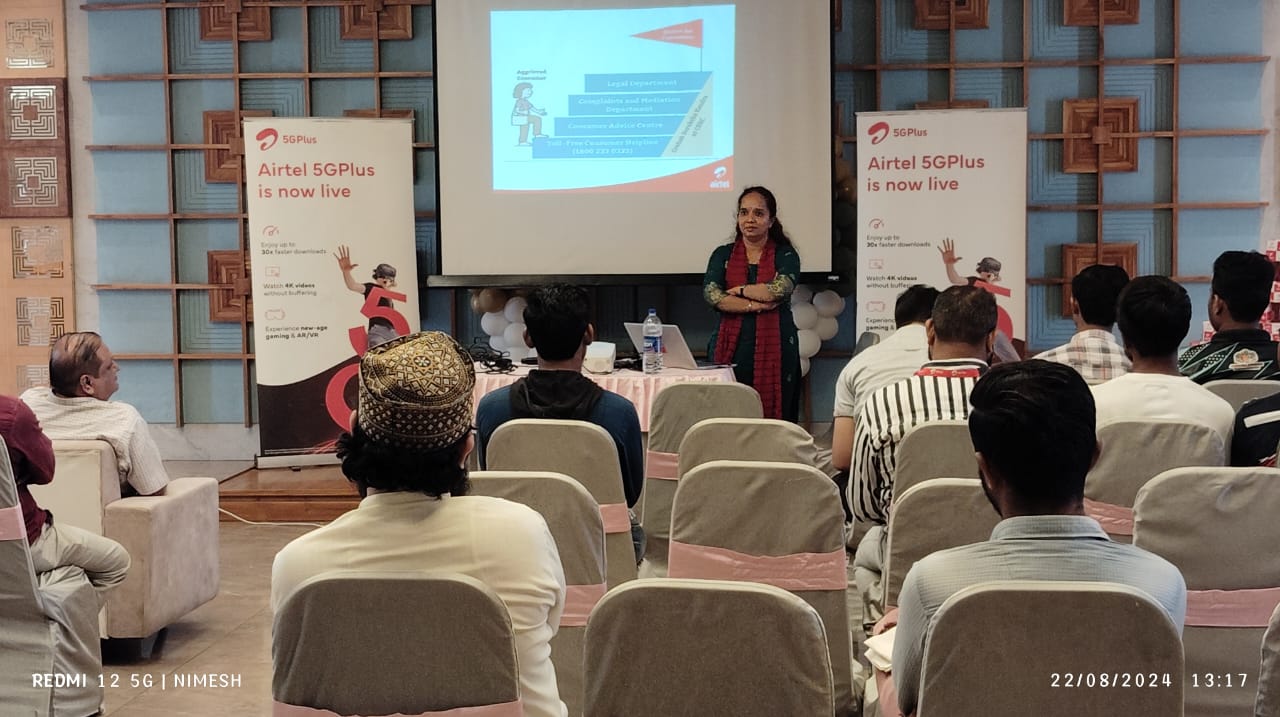
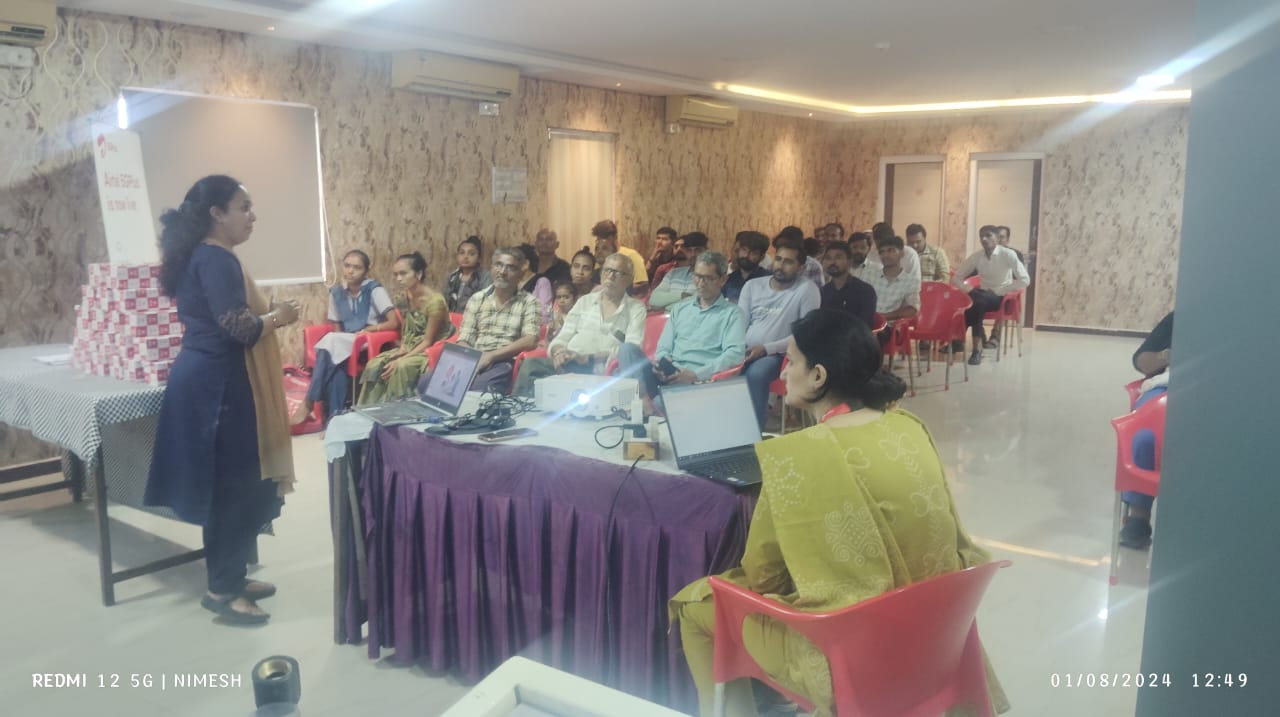
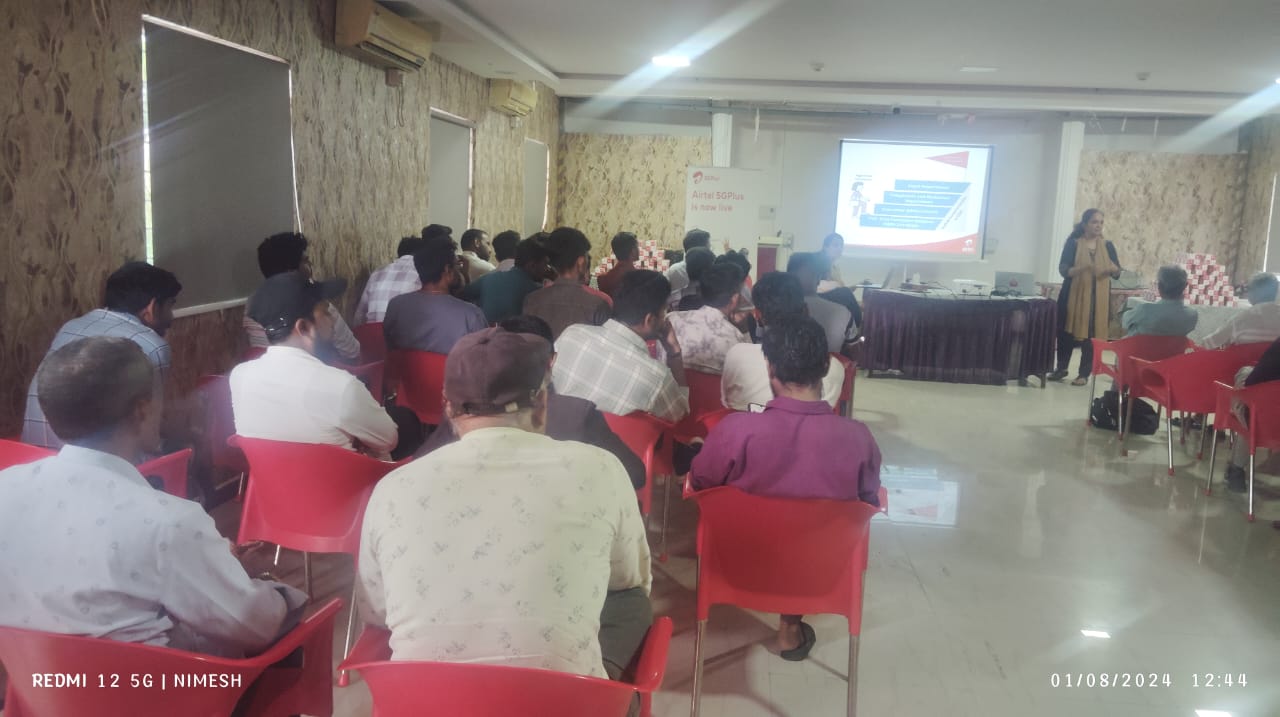
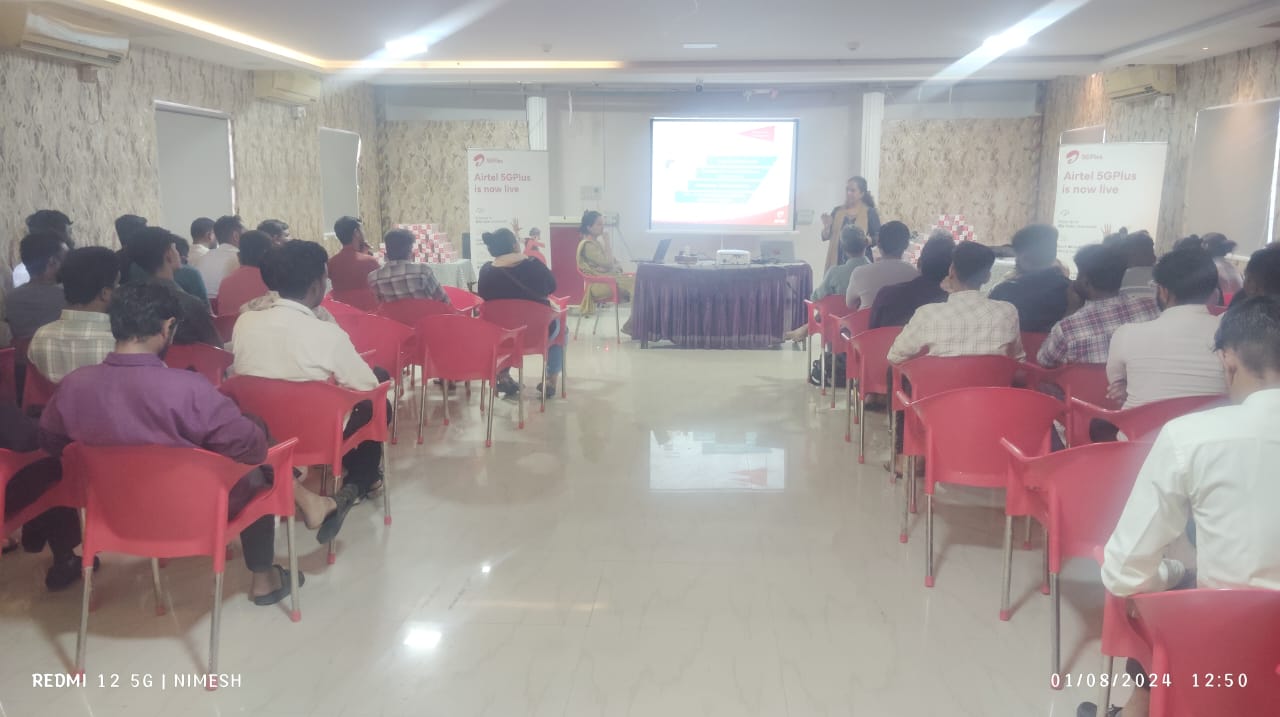
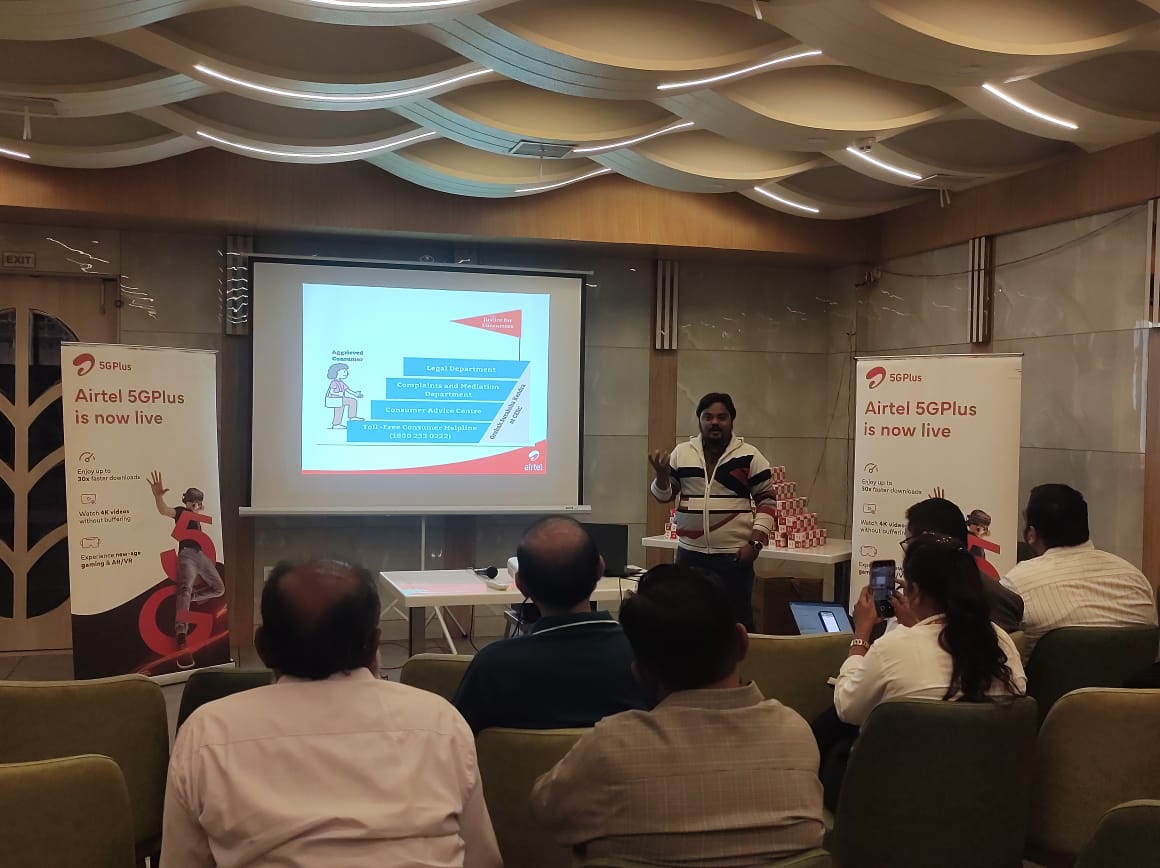
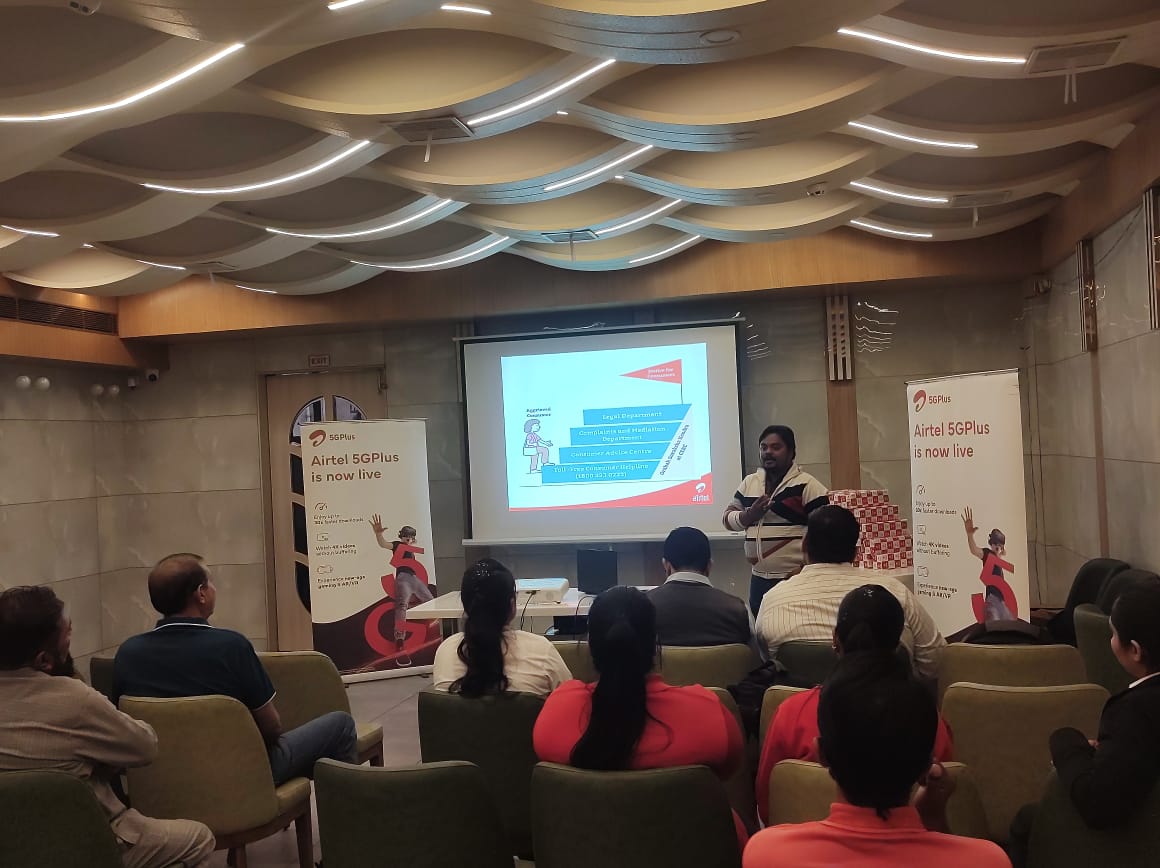
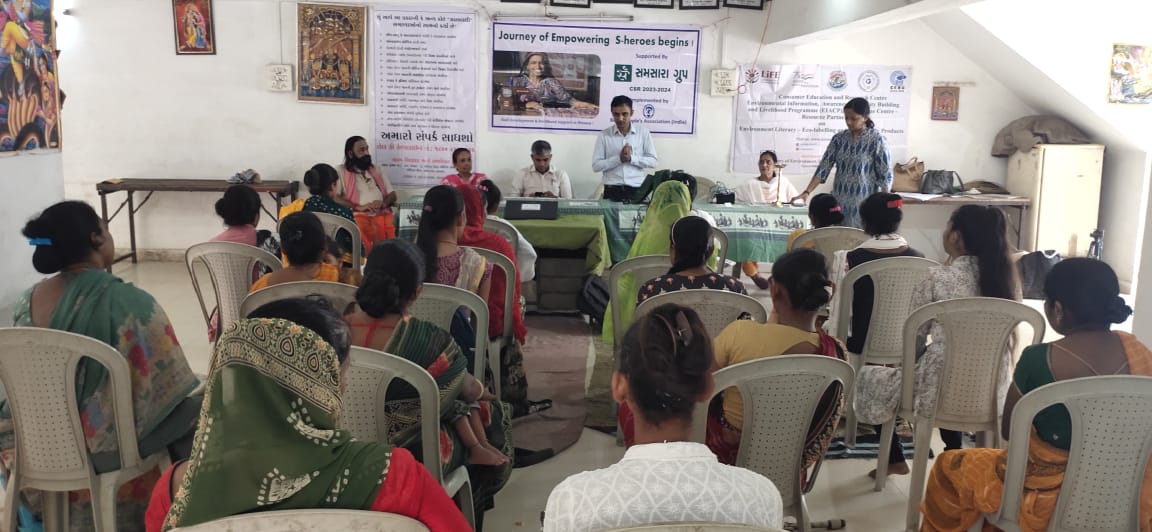
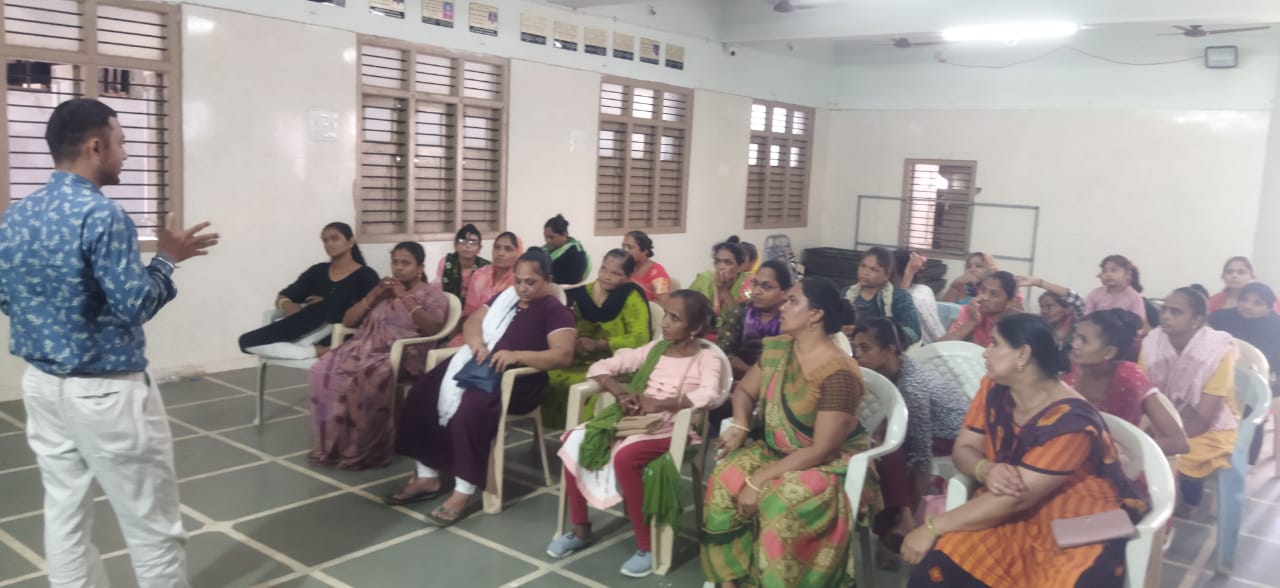
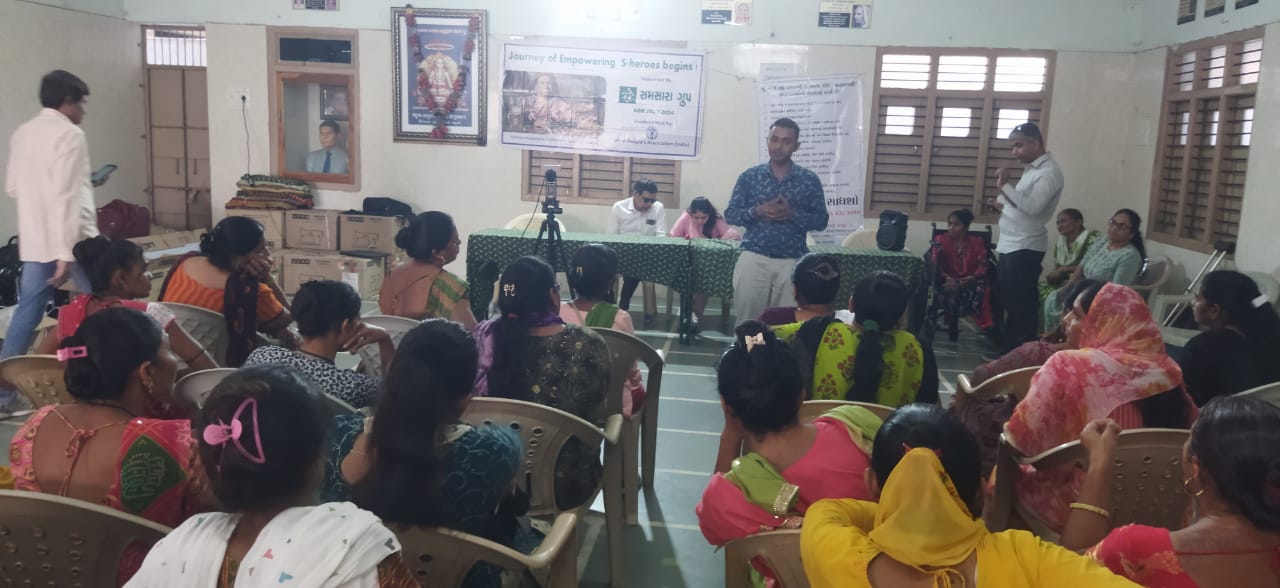
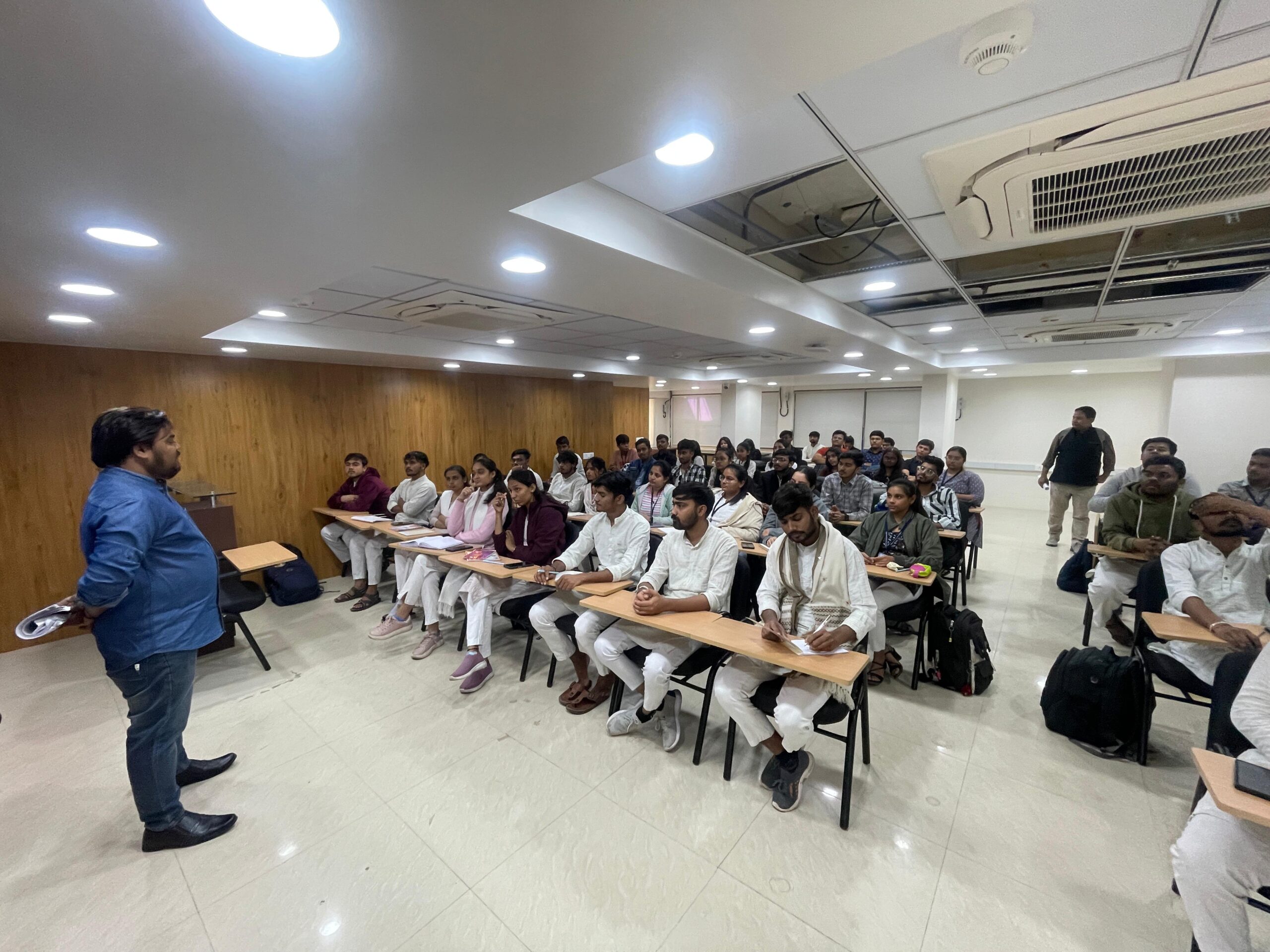
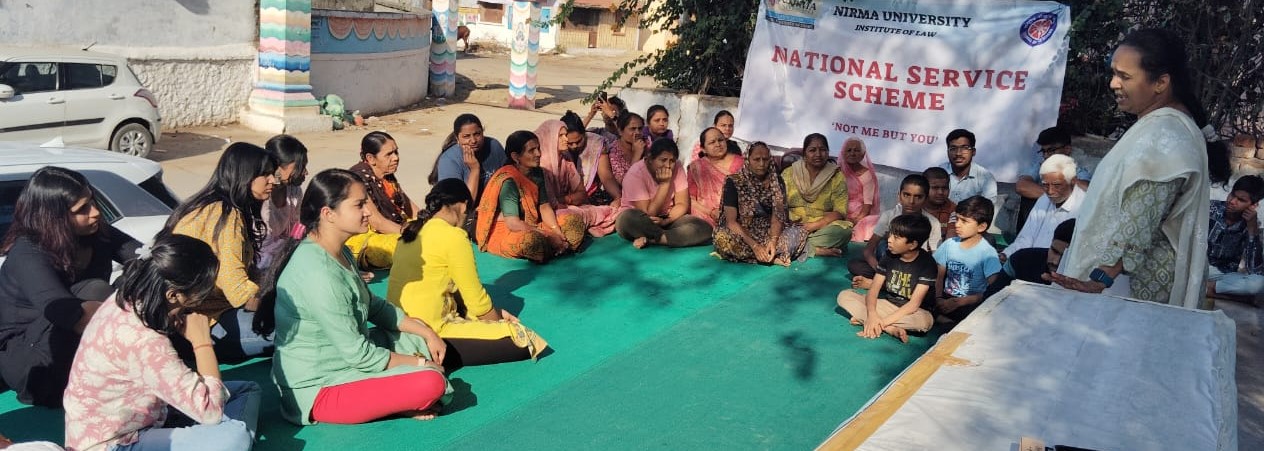
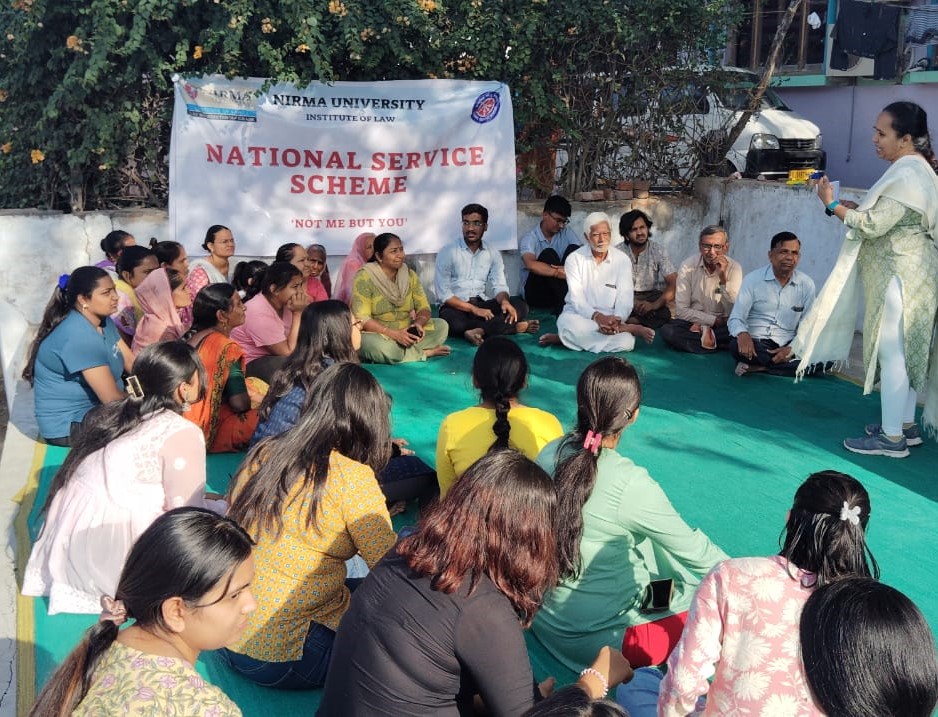
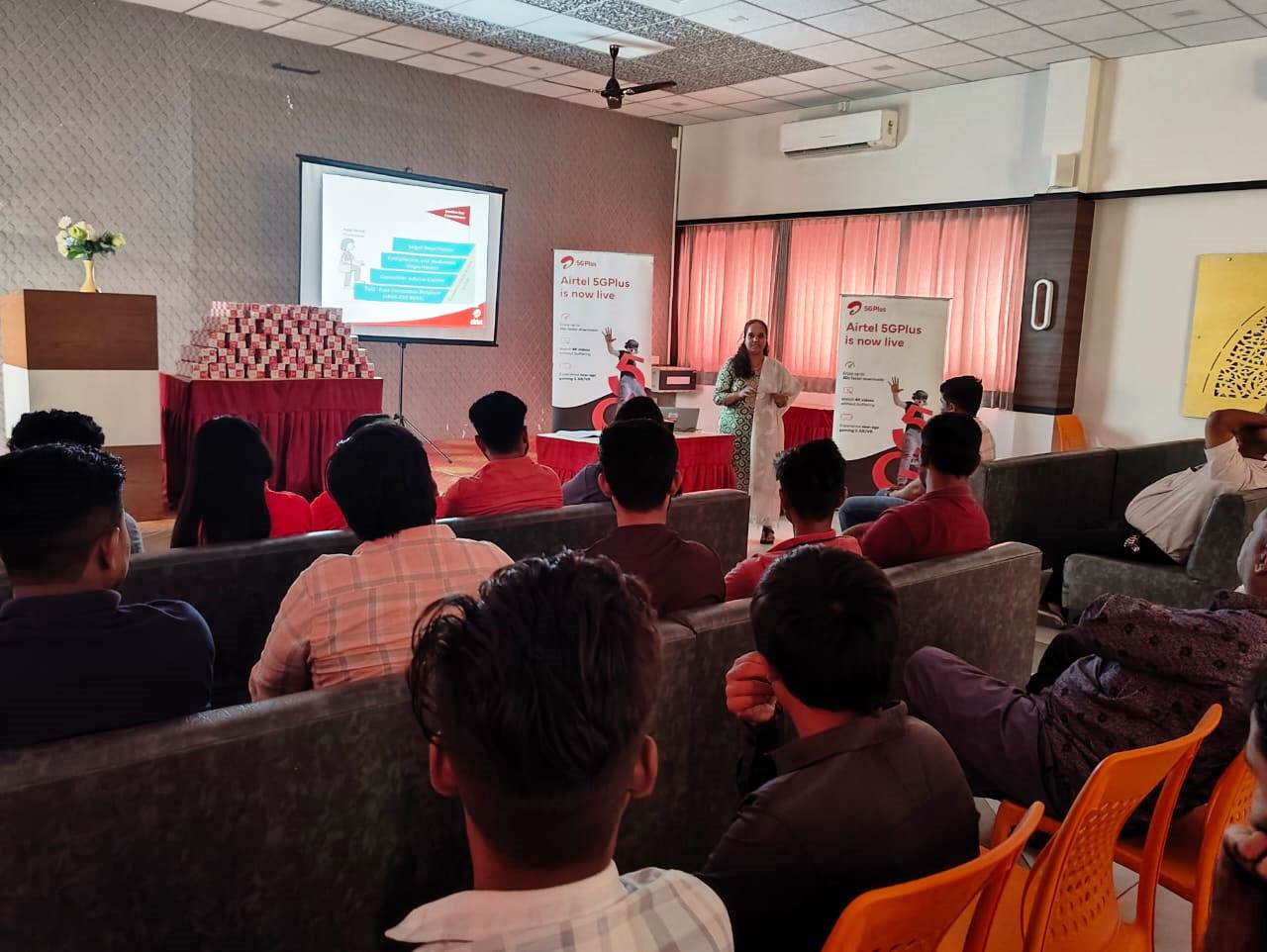
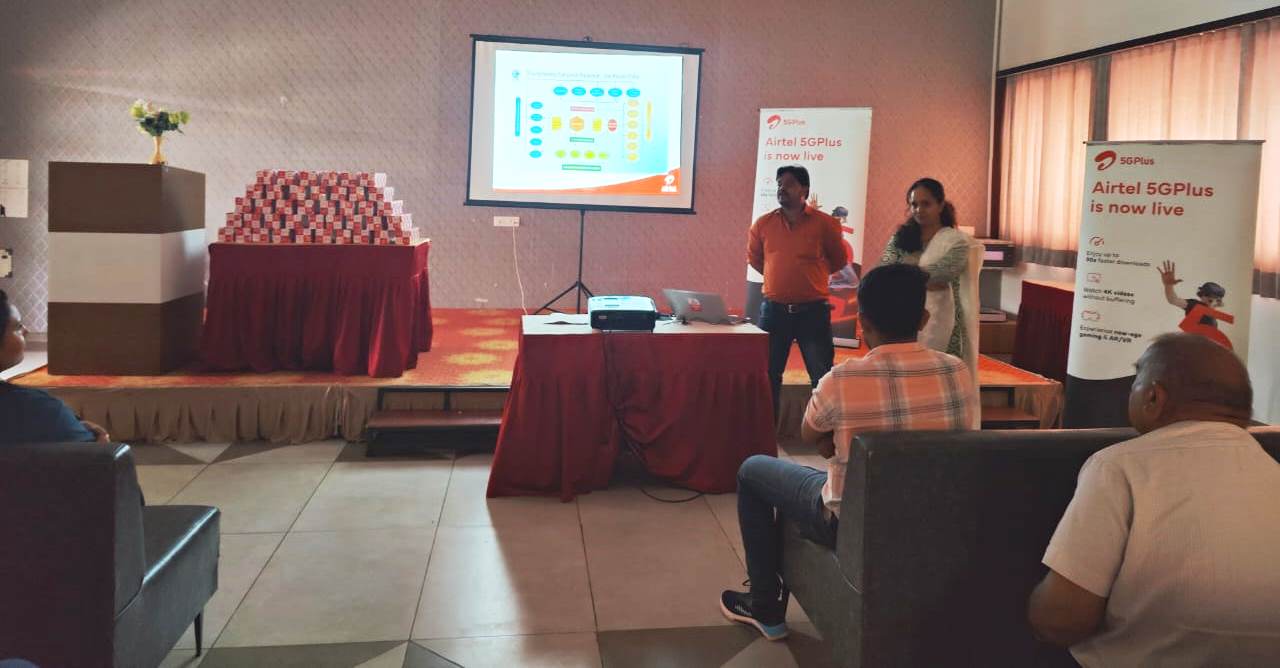
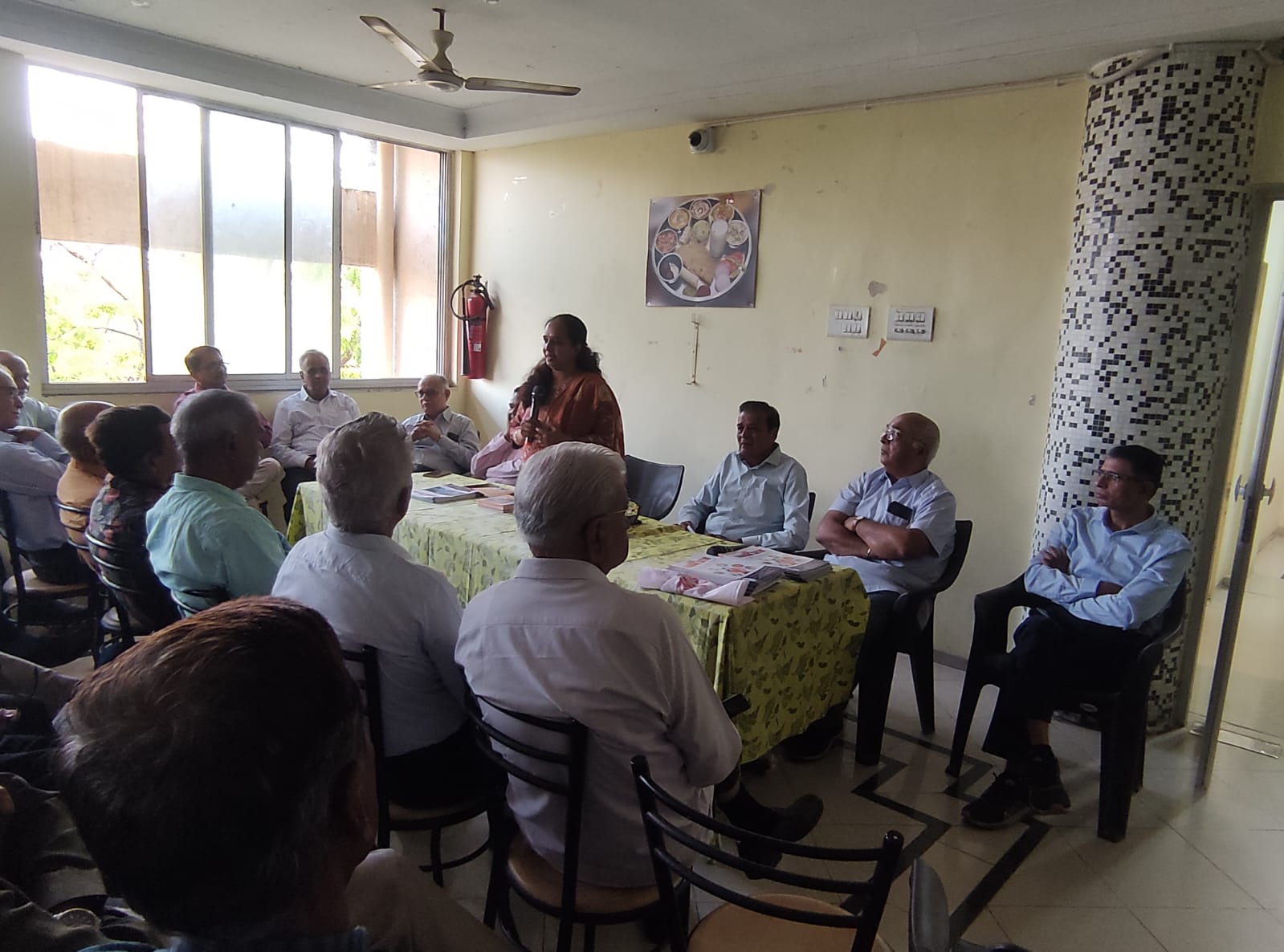
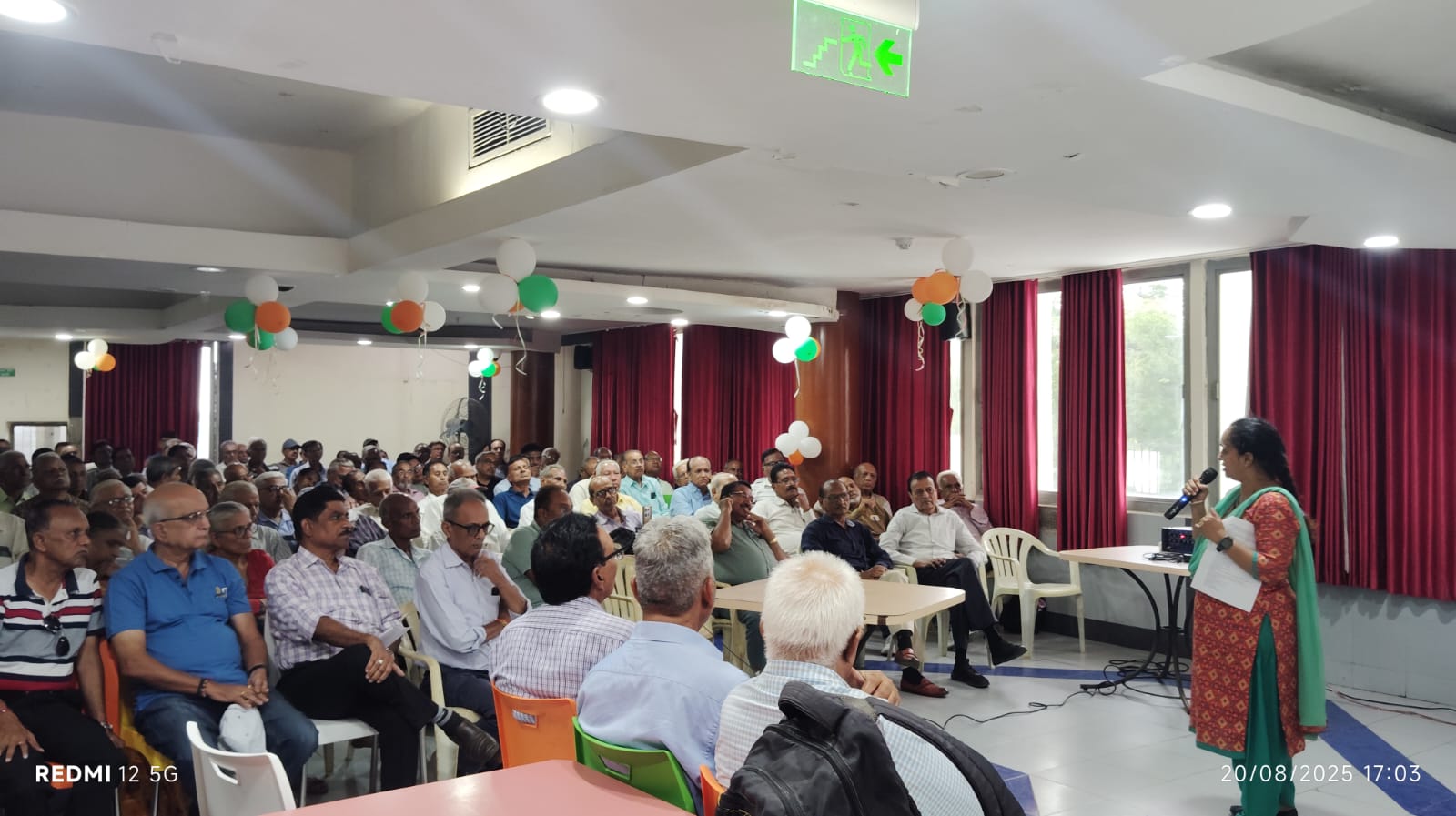
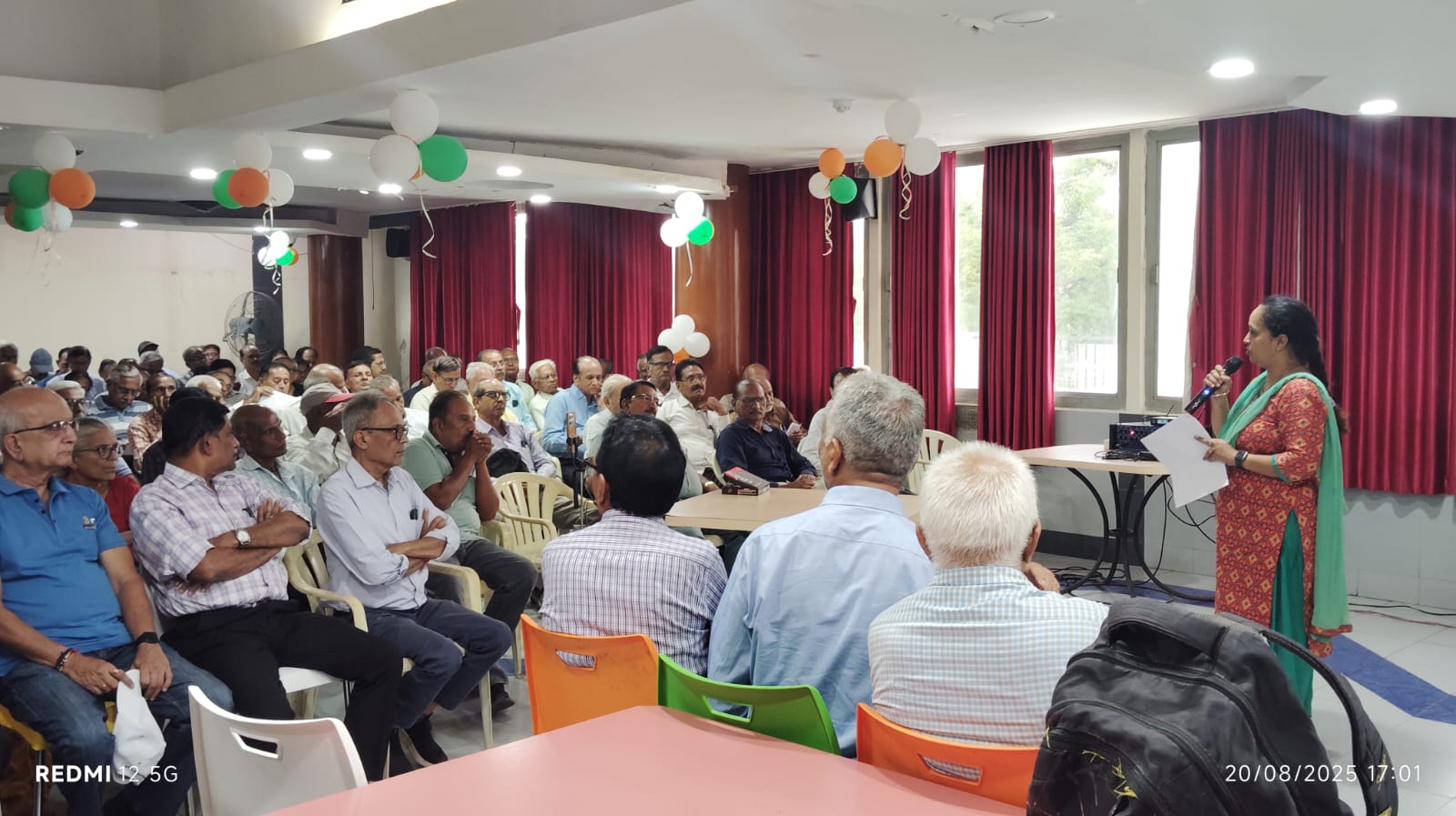
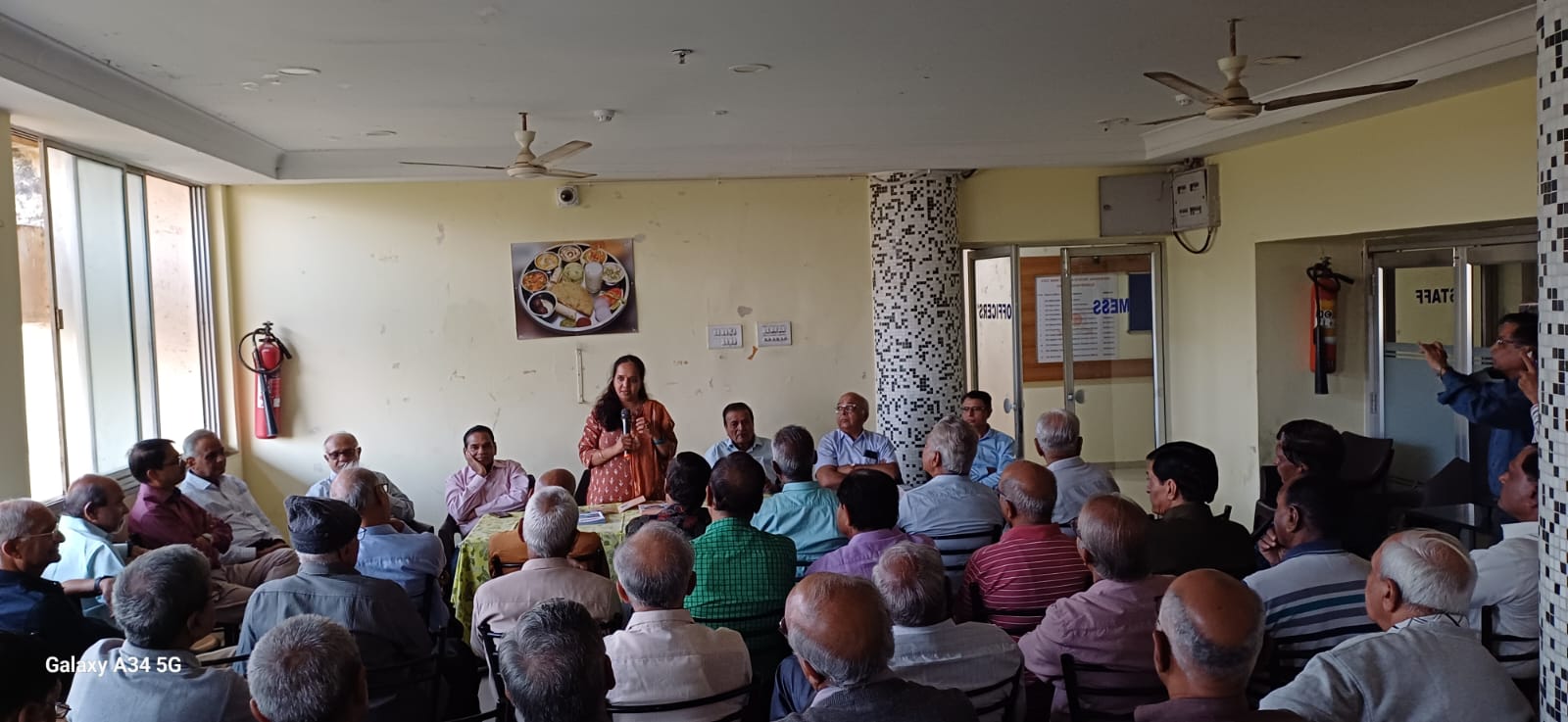
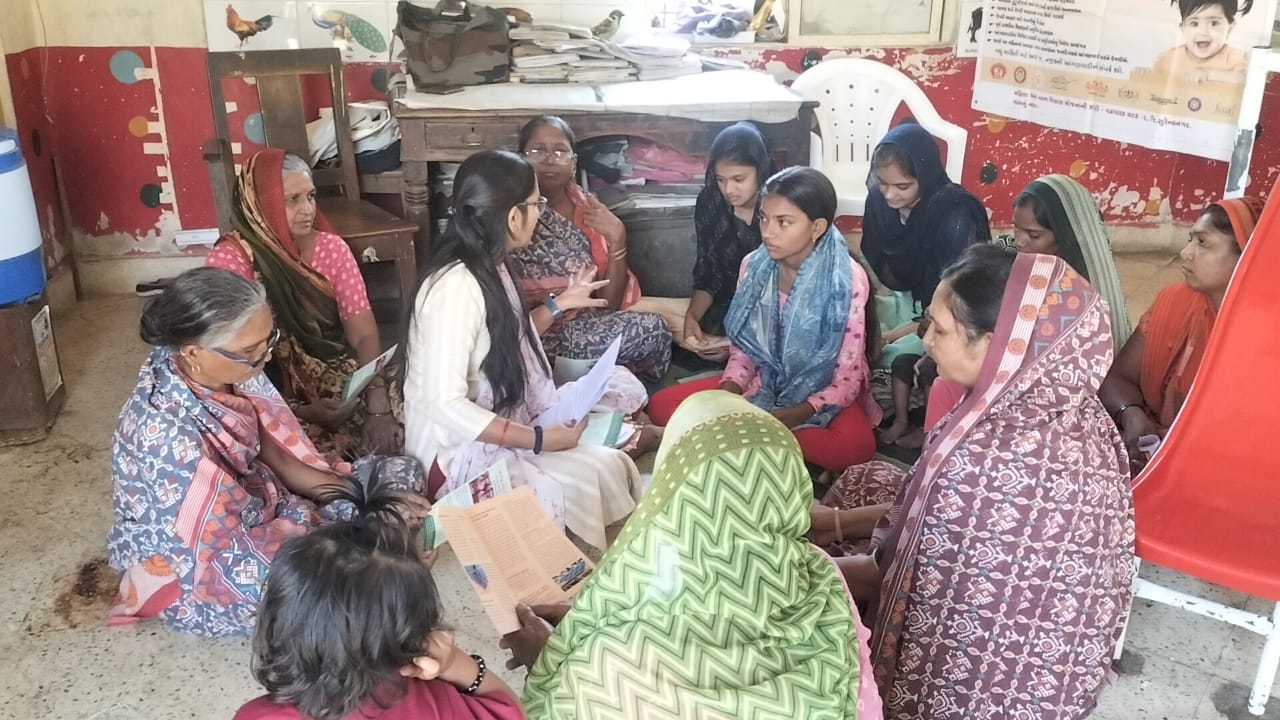
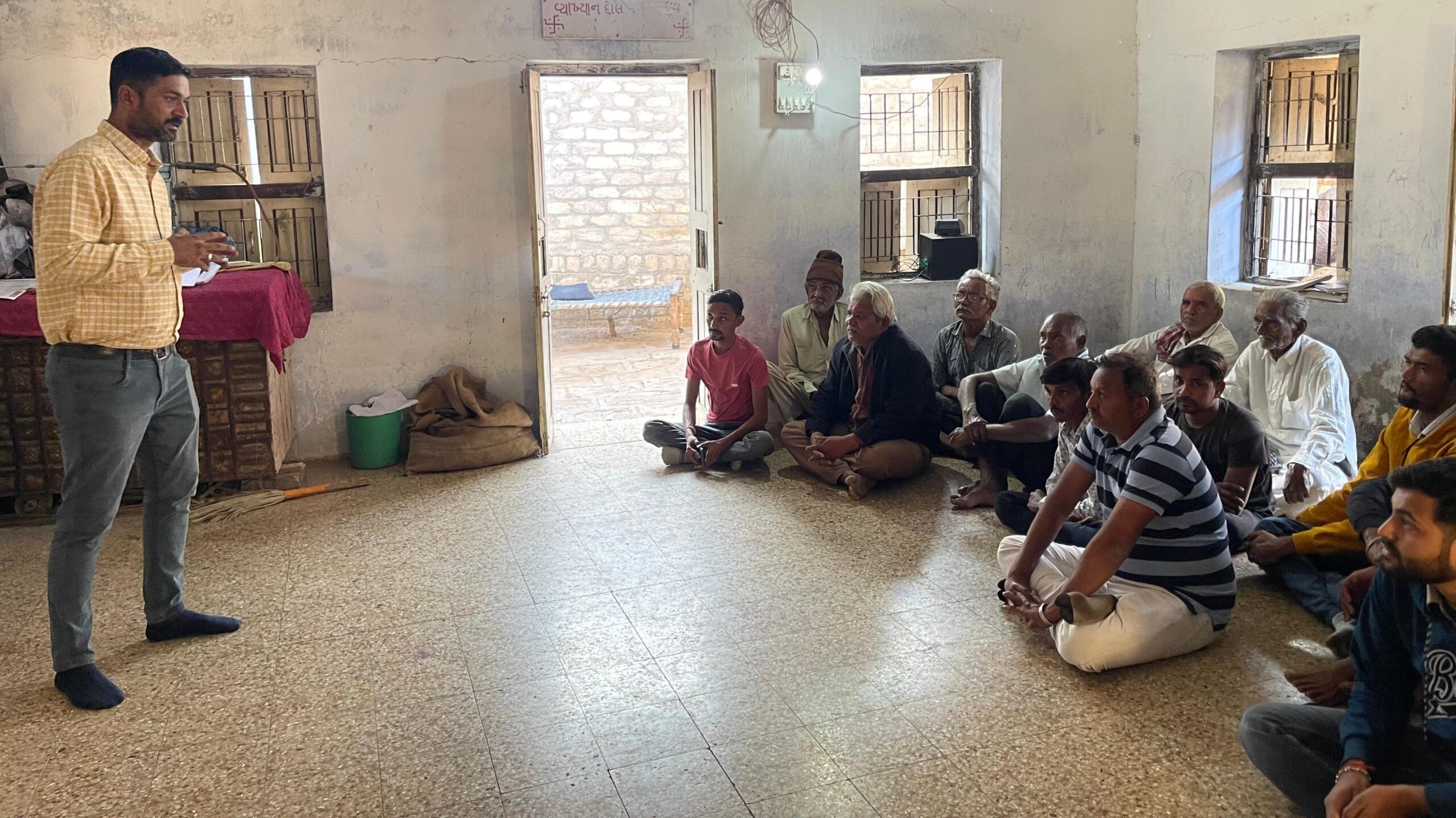
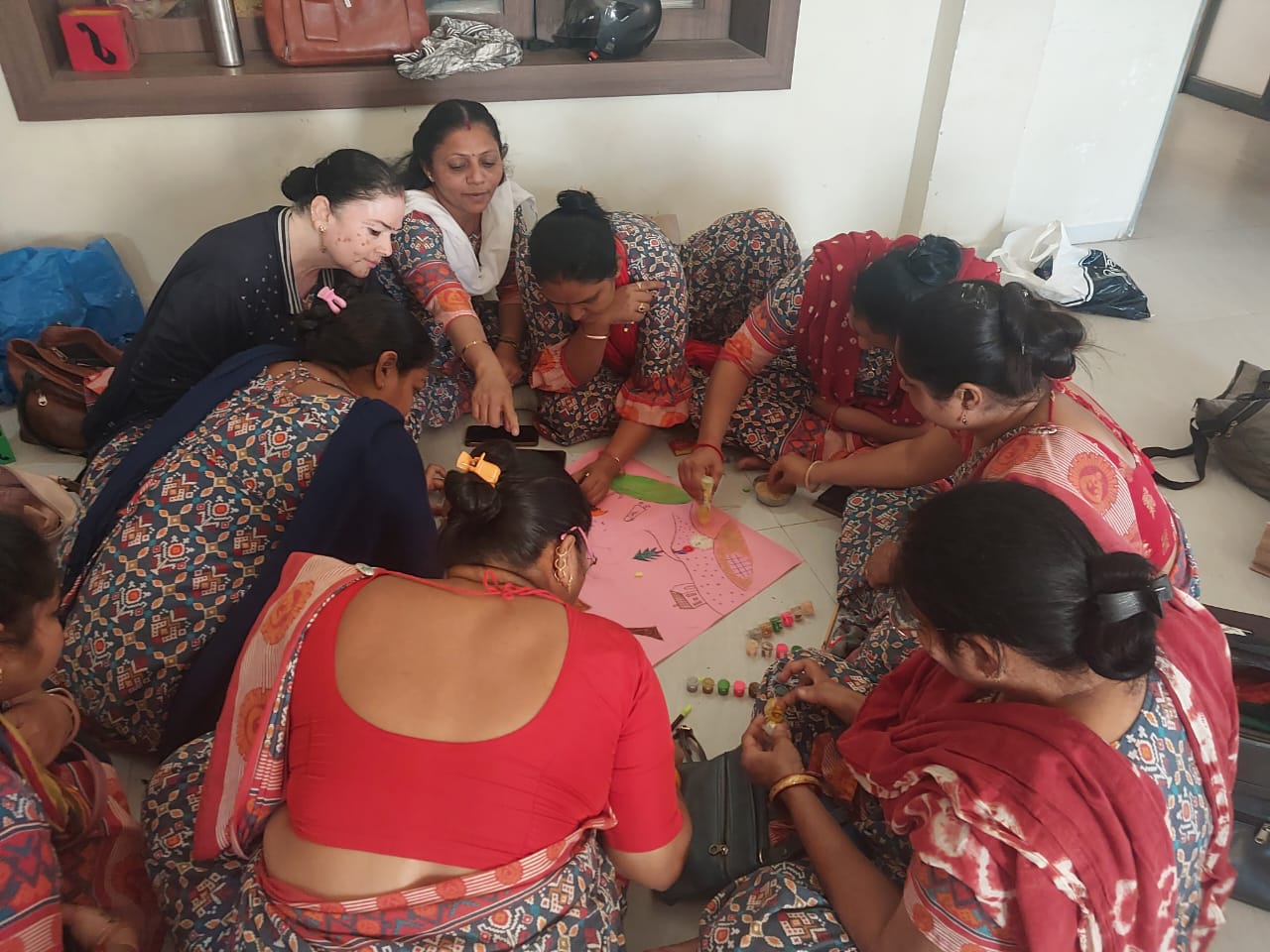
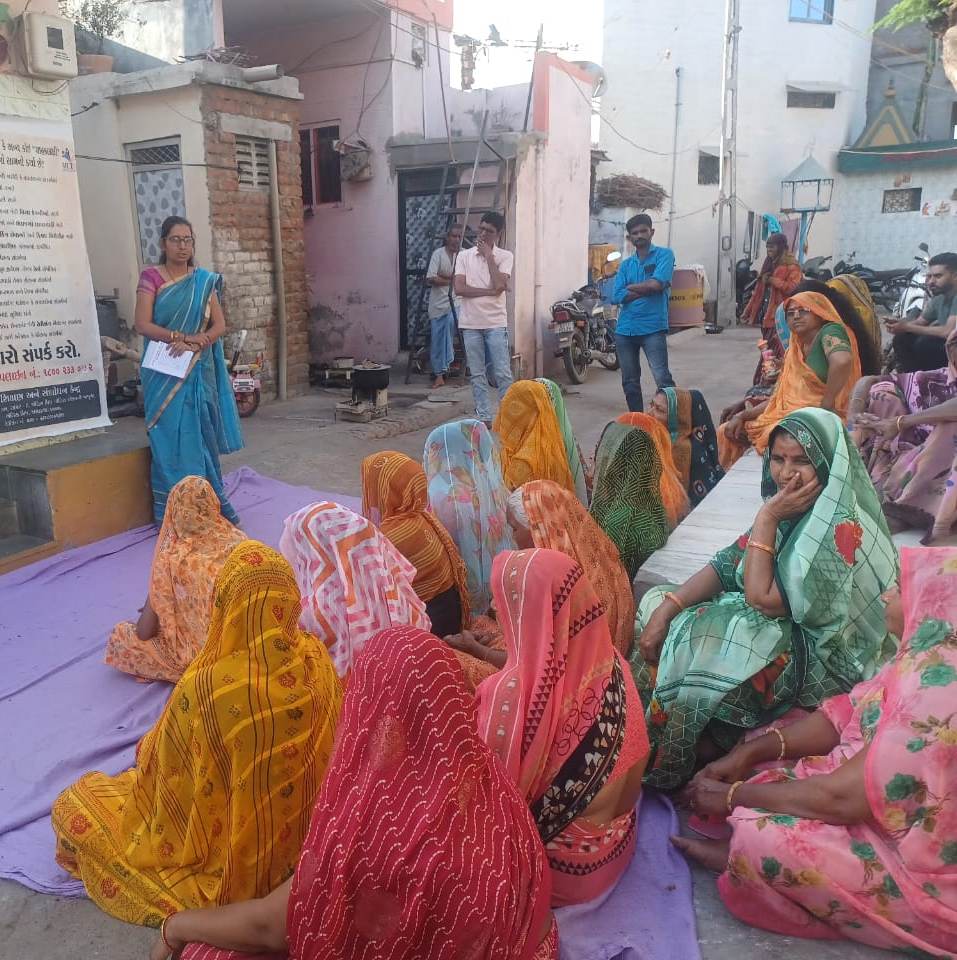
We have organized various outreach programmes to promote consumer awareness among different groups of people, including women, senior citizens, and other community members. To strengthen our efforts and ensure wider reach, we have collaborated with several institutions and organizations such as the SBI Retired Pensioners’ Association, Blind People’s Association, Airtel, and others. Through these initiatives, we aim to educate and empower consumers with the necessary knowledge about their rights and responsibilities. By conducting such programmes regularly, we strive to reach a larger audience and create a more informed and aware consumer community.