
Policy, Research and Advocacy

Intro
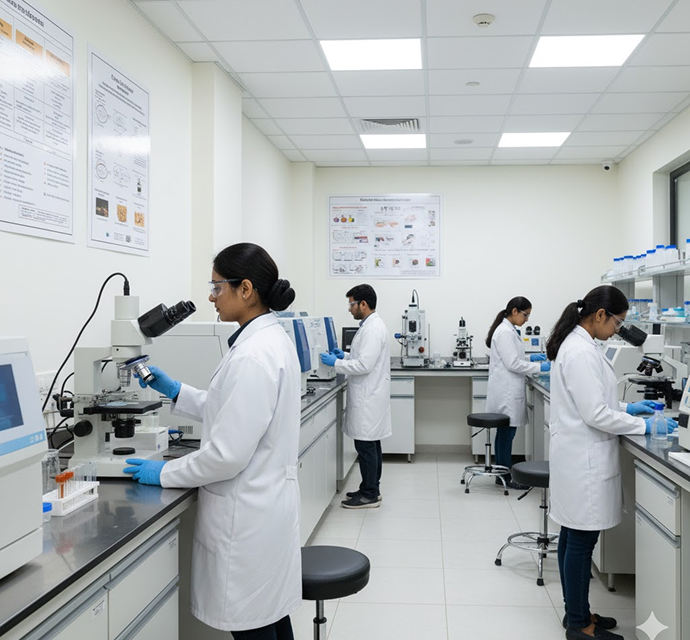
CERC is the only consumer rights organization in the country to have its own Product Testing Laboratories, which are primarily used for conducting product tests to provide evidence-based information to consumers and inputs to regulatory authorities and government bodies.
It is a matter of pride for us that the Test Results of our laboratories have resulted in the making/amending of Indian Standards as many as 20 in our country. Over hundreds of food products have been tested at CERC laboratories with special emphasis on HFSS food.
CERC works very closely with the regulatory and administrative authorities and is involved in various Committees of the FDCA, FSSAI, BIS, Consumer Affairs Ministry, etc and takes up various issues at these fora and supports both the introduction of standards and helps in the implementation of the same.
Presently, CERC, along with a few other COs in India, is strongly advocating for FOPL (Front of Pack Labelling) in India. CERC advocates for FOPL to be introduced, which must provide clear, simple, interpretive information that is readily understood by consumers.
CERC also recommends a ban on celebrity endorsement of HFSS food completely. This would address the issue of misleading food advertisements and also act as an important public health intervention to prevent the increasing risk of non-communicable diseases.
Campaign on Processed, Ultra-processed & HFSS foods
Saturated/ trans-fat, salt, and sugar (HFSS) are the 3 ingredients that are the root cause of most non-communicable diseases, often also called lifestyle diseases. CERC has been campaigning against this by testing and studying these contents in various foods and cautioning Consumers.
CERC has been analyzing labelling information and finds that there is a high level of non-compliance in labelling info that even educated consumers are not aware of.
We carry out programs to promote public awareness on safe and healthy eating habits, on risk factors of NCDs like HFSS and calorie-dense foods, and limiting consumption of foods high in Fat, Salt and Sugar and removing trans-fat from the daily diet.
We also focus on creating awareness about healthy and nutritious food, implementing Eat Right Programs & observational Tiffin Surveys in schools & colleges.
CERC regularly conducts various campaigns on TV and Print media.
Electrical Laboratory:
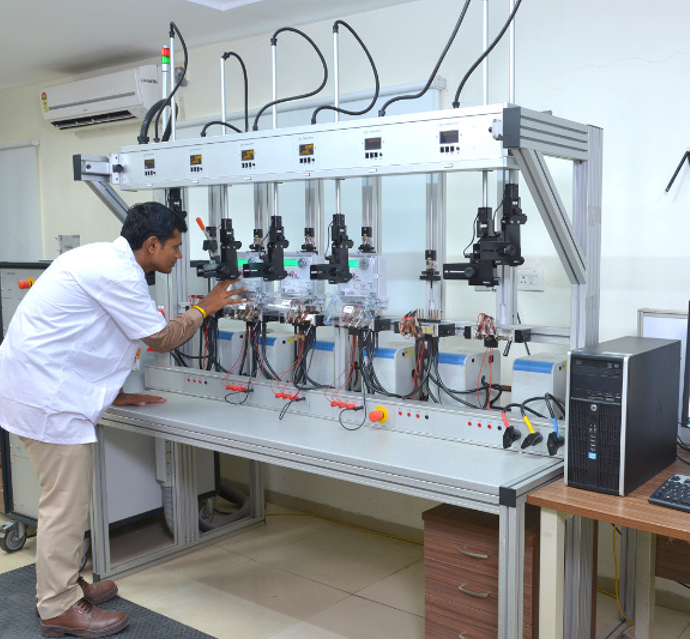
The Electrical Laboratory at CERC is dedicated to empowering consumers by providing customized guidance on product selection through a product guide in our weekly magazine, Grahak Sathi. It helps consumers choose products that are safe, high-quality, energy-efficient, and perform optimally.
CERC actively participates in various national committees of BIS, ensuring that consumer interests are represented in policy and standard-setting processes.
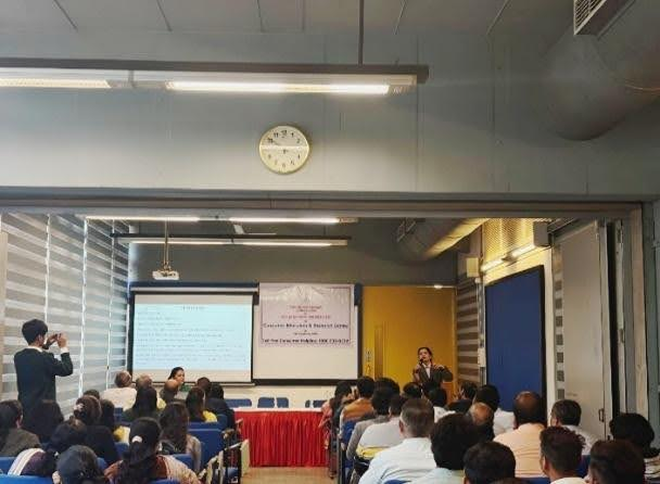
It actively participates in various awareness programmes for school children and college students, and for senior citizens.
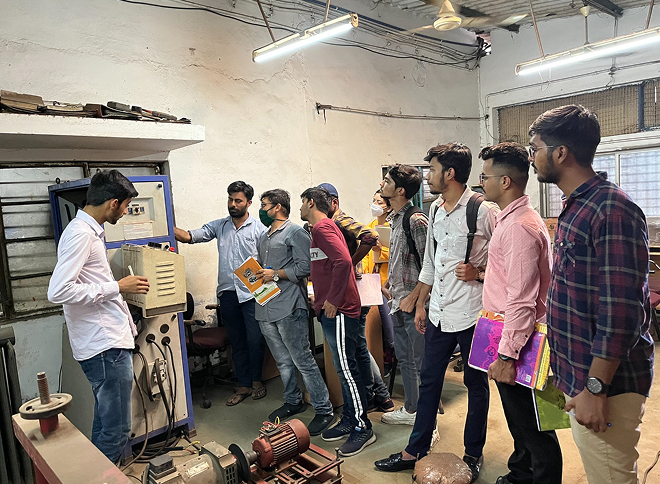
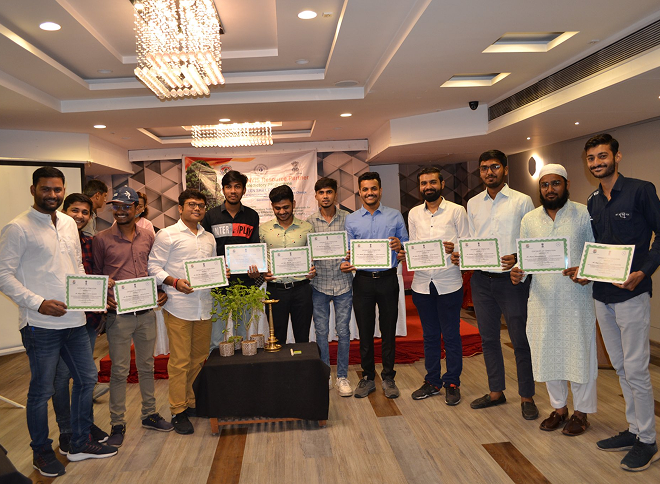
The laboratory also offers free internships to students from government polytechnics, private technical institutes, and engineering colleges as part of the GTU curriculum requirements. Interns are trained in practical skills and awarded with certificates & evaluation rubrics.
1. CERC’s initiative to empower consumers through accurate energy metering.
As a part of its commitment to consumer rights and consumer empowerment, Consumer Education and Research Centre (CERC) has been actively working in collaboration with various electricity distribution companies for over two decades in Gujarat, Maharashtra and UP to ensure the accuracy of energy meters installed in residential areas and to educate consumers on energy conservation and energy efficiency.
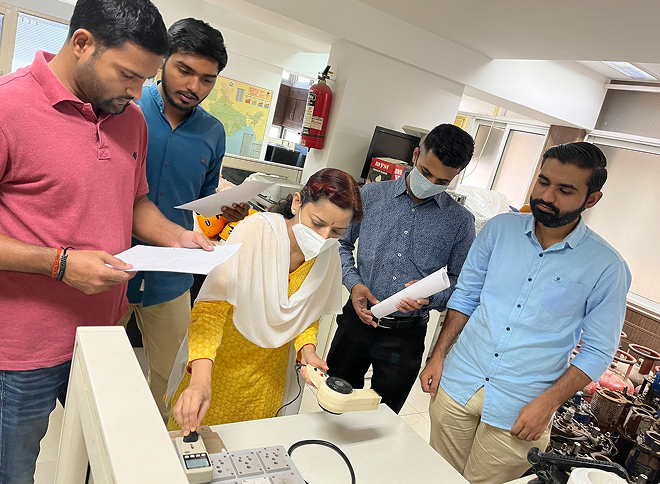
CERC’s trained engineers visit consumer homes with representatives from power distribution companies to conduct on-site accuracy testing of electricity meters using calibrated equipment and standardized procedures.
These tests are performed transparently and in the presence of consumers, who are also educated about the process and its significance.
Beyond just technical verification, CERC takes a consumer-centric approach by engaging with residents and helping them to understand how their appliances contribute to overall energy consumption. This customized guidance on optimizing usage and identifying high consumption devices helps consumers understand their energy usage better and adopt energy conservation practices.
Consumers get confidence that they are being charged only for the energy they genuinely consume. Till today, more than 1 Lakh consumers have gained peace of mind for their energy bills through this initiative.
CERC’s efforts exemplify how technical diligence combined with consumer education can lead to greater accountability, awareness and empowerment at the grassroots level.
2. Green Skill Development Programme:
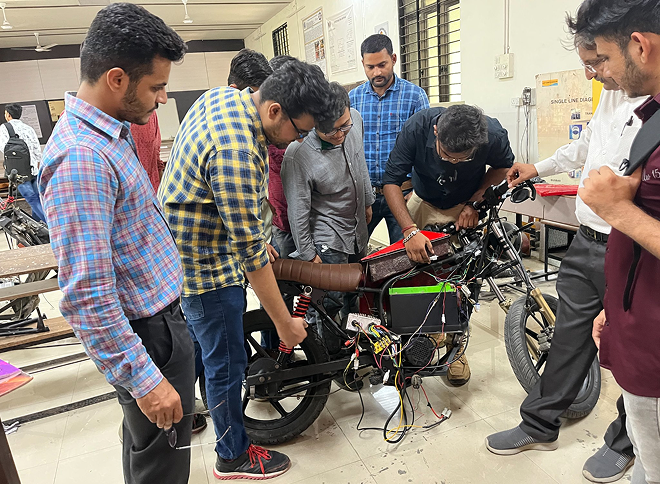
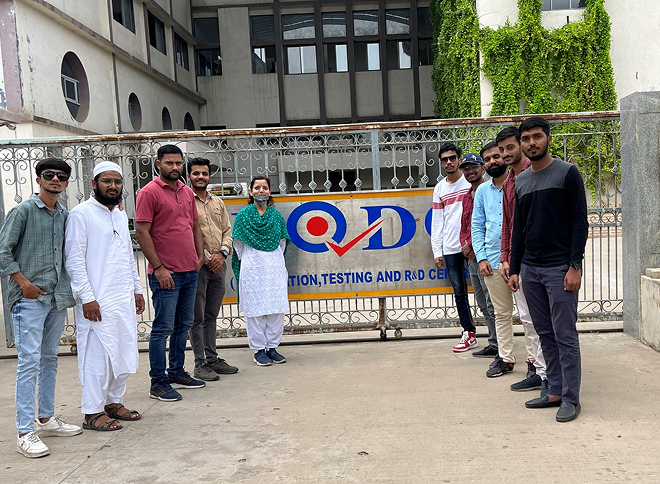
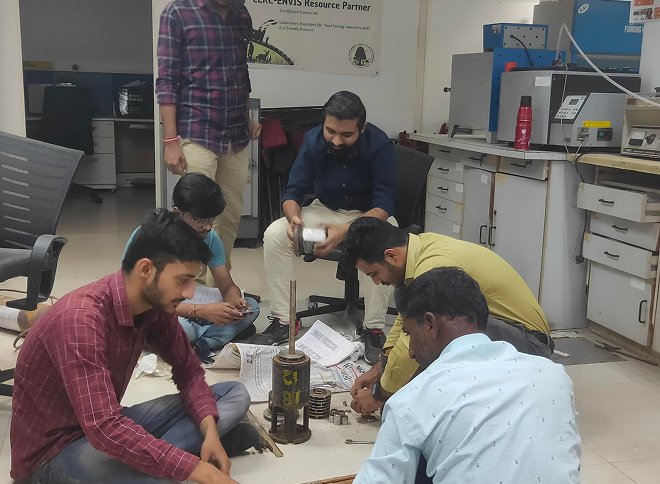
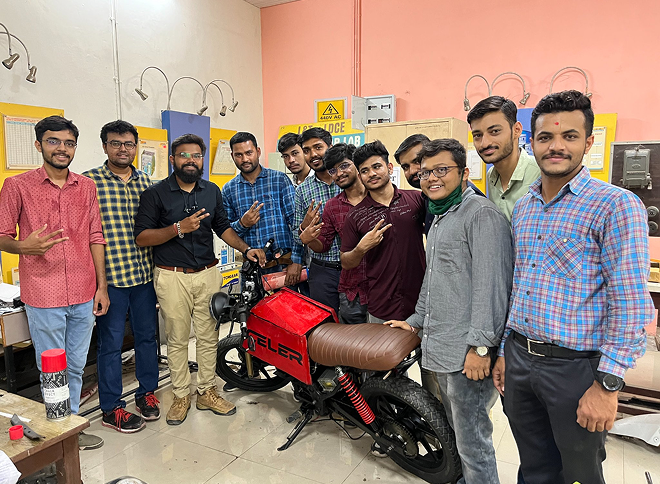
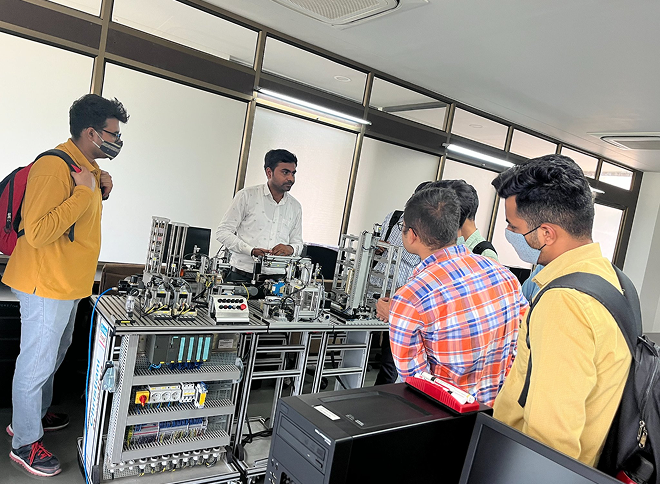
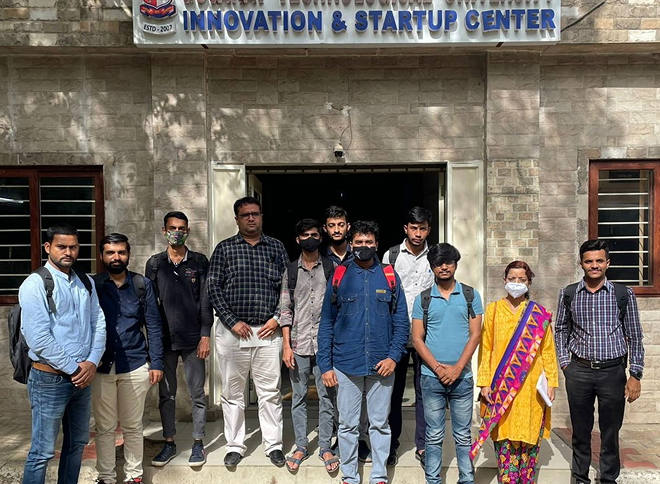
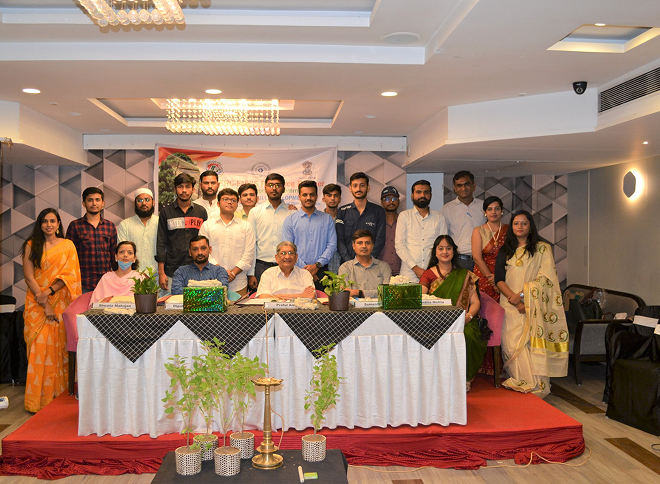
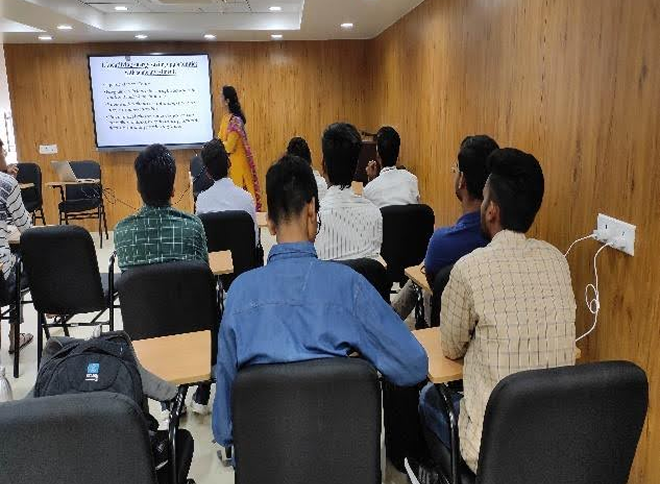
CERC is a partner of the Ministry of Environment, Forest and Climate Change. Five training programmes were conducted for a two-month duration. 15 candidates were trained in each programme under the electrical laboratory, with placement for more than 75% candidates.
CERC has developed a holistic, customized training Programme of 264 hours for developing green skills of technically qualified youth in the country. This covers knowledge on green and renewable energy, application of renewable energy technologies, skills supporting the low-carbon industry, climate resilience and resource efficiency, skills to manage natural assets, analytical skills, communication, teamwork, entrepreneurship and innovation.
At CERC, our goal is to build up the confidence of trainees who are starting their careers.
The Curriculum is designed taking into account the expectations the industry has of job seekers. Suggestions were taken from industry experts & subject experts to make it comprehensive. This covers a broad category of competence levels in terms of professional knowledge, professional skills, core skills, responsibility and process.
3. CERC’s project on training and home energy audits
CERC successfully executed a self-financed project aimed at promoting sustainable consumption by training technically qualified individuals and conducting free home energy audits in 211 Ahmedabad households.
The initiative empowered trainees with practical skills in energy auditing, contributing to household energy conservation and cost reduction.
Audits helped identify areas of energy wastage and provided actionable, low or no cost solutions, including behavioral changes, efficient product usage, and government subsidized options.
Consumers were provided with workable suggestions, sensitized about standby power to help them reduce their energy bills without compromising on their comfort, health and safety.
Solar panel users also saw improved energy credits by implementing our suggestions.
Positive feedback from home owners highlighted satisfaction with energy bill savings.
The initiative demonstrated that widespread home energy audits can deliver a massive impact on wallet & plant both.
Summary report on 211 audits:
- More than 95% consumers have LED lamps & LED tube lights as government subsidies are available on these products.
- Maximum energy consumption in households is due to heating & cooling appliances like ACs, refrigerators & geysers.
- Out of 211, 90% consumers are using refrigerators, 47% are using ACs, 36% are using geysers and 40% are using washing machines.
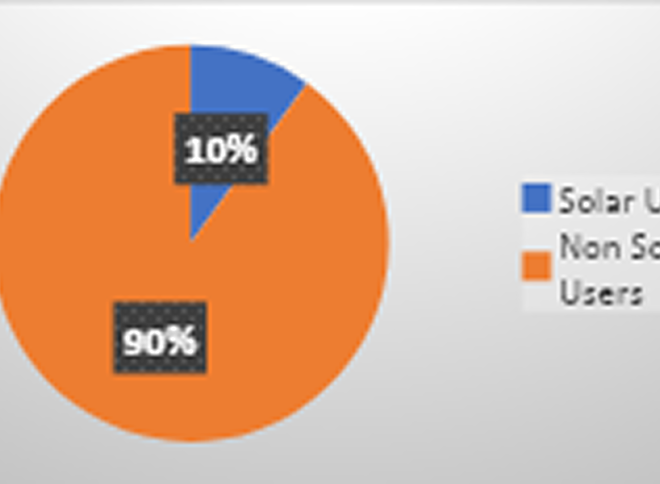
- Thus, use of power for home appliances is more but only 10% have solar rooftops, 1.5% have EVs & 90% consumers are not using solar/renewable energy.
- Out of 47% AC users, 34% are using ACs on coal-based fuel & have major carbon footprints. Only 13% are using ACs with solar energy.
- Also, only 2% consumers have awareness on energy conservation with temperature setting at 26°C for using ACs.
- More than 5% consumers are using normal tube lights with chokes & starters & CFLs (both containing mercury which is hazardous to health) & night lamps. (10/15 Watt)
- 87% consumers are using geysers without star rating or with 1 or 2 stars. While only 13% consumers are using geysers with 3 to 5 stars.
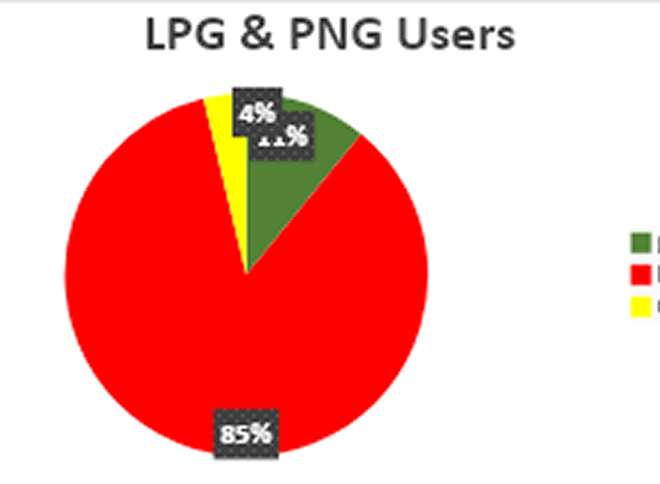
- Out of 211 consumers, 180 were using LPG (85%) and 23 were using PNG (13%).
- Similarly, out of 211, only 22 consumers are using air coolers. 82% of them are using air coolers without stars.
- Out of 85 washing machine users, 68 consumers (80% to 85%) were using washing machines without 5 stars.
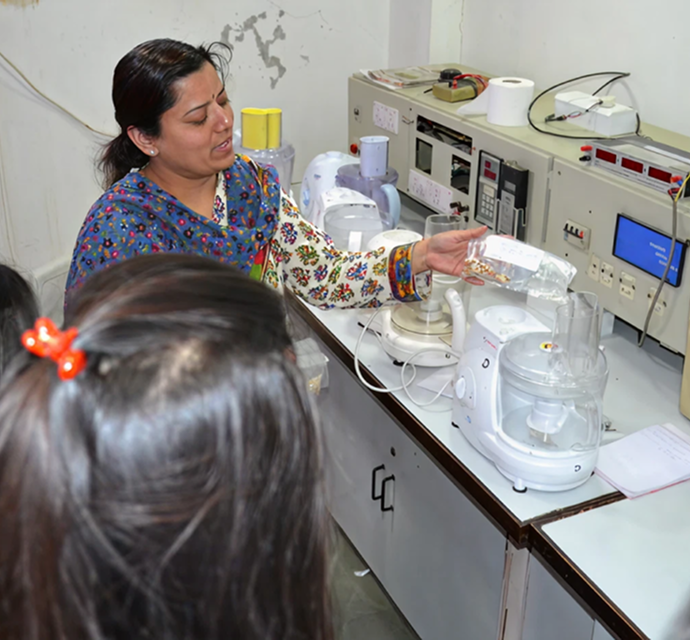
CERC is the only consumer organization in Asia (barring Japan) to have its own Product testing laboratories for food and electrical appliances. Our product testing laboratories have been carrying out tests with a dual purpose – to help the consumer make more informed choices, as well as for the purpose of advocacy in helping make or amend Standards in India. Today, CERC has a presence on the international stage. Being elected to the CI Council and our CEO, inducted on the Consumers International Board of Trustees, has represented consumer issues at WTO, WHO, UNEP, OECD, UNCTAD, ISO and various other international platforms.
We are the only Voluntary Consumer Organization in India to have In-house Product testing laboratories. For the last 25 years, our Product Testing Laboratories have been carrying out Comparative Product Tests with a dual purpose – help the consumer make more informed choices, as well as for the purpose of Advocacy in helping make/improve Standards. Thus far, these Test have been instrumental in the making/changing of as many as 25 Standards.
Substantial work is being done in our Bio-chemistry and Food Labs in the areas of Salt, Sugar and Fat content in various products (these being the major health hazards and the rising cause of NCDs in India). These labs also conduct tests for adulteration, for harmful contents like Heavy Metals, Pesticides/Insecticides, etc. Besides Food, even Beauty products, Toys, Paints etc., for potential health hazards.
4. CERC’s role in BIS Standards
Collaborating with national and international bodies to create Indian standards that ensure product safety, quality, and sustainability. CERC has been instrumental in amendments to about 20+ national standards in India. CERC is represented on the Governing Board/Council of Bureau of Indian Standards, BIS, New Delhi.
CEO, CERC presently serves as an expert on over 25 +Technical Committees of BIS, of FAD (Food & Agriculture) CHD (Chemical) & Environmental areas where her activities include drafting of consensus-based development of Indian Standards, actively participate and give expert inputs in Technical committee meetings and vote, when required, Take up the review/revision/amendments of the existing standards based on the latest technological advancements, Constitute sub-committees/Panel/Working group and appoint their Conveners. CEO, CERC is also a CAG ( Chair’s Advisory Group) Member of ISO- COPOLCO ( ISO- Committee on Consumer Policy) .
(BIS represents India in the International Organization for Standardization (ISO), the International Electrotechnical Commission (IEC), and the World Standards Service Network (WSSN).
| Name of Product | CERC’s role in the making of Standards: Suggestions/comments sent to BIS | Amendments published to the Standard |
|---|---|---|
| Fried Potato Chips IS: 12575 1989 | BIS should suggest limits for salt and sodium. | BIS has accepted it and has revised the specification for Fried Potato Chips IS: 12575:198. It includes the maximum requirement of salt content as 1.0 percent by mass. |
| Besan IS: 2400 1976 | To include alcoholic acidity- test for determination of age/freshness of flour. | An amendment has been issued in the year 2011 by FAD 16 of BIS to include alcoholic acidity test. |
| Milk IS: 13688 | Consumer’s end, not only at the production end. | Milk Standards for Microbiological Safety Need In 2015, FSSAl in its notification included compliance to be revised so as to assess the milk at microbiological parameters to be checked at retail points as well. |
| Organic lea | Formulation of standards for Organic products was suggested. | FSSAI had notified Food Safety and Standards (Organic Foods) Regulations in 2017. These regulations ensure integrity of the Organic Food products, and help in controlling unscrupulous practices in the market and came into force in July 2018. |
| Tomato Powder | Soup Formulation of standards was proposed and Under consideration. The maximum limit for sodium content was desired to be specified under the standards. | Under consideration |